A Complete Guide to Organic Lawn Care Solutions for a Greener Yard


Why Choose Organic Lawn Care?
Switching to organic lawn care is not only beneficial for the environment but also enhances the health of your yard. By avoiding synthetic fertilizers and pesticides, you promote a more sustainable ecosystem. Organic methods focus on natural processes and materials to maintain a lush, green lawn.
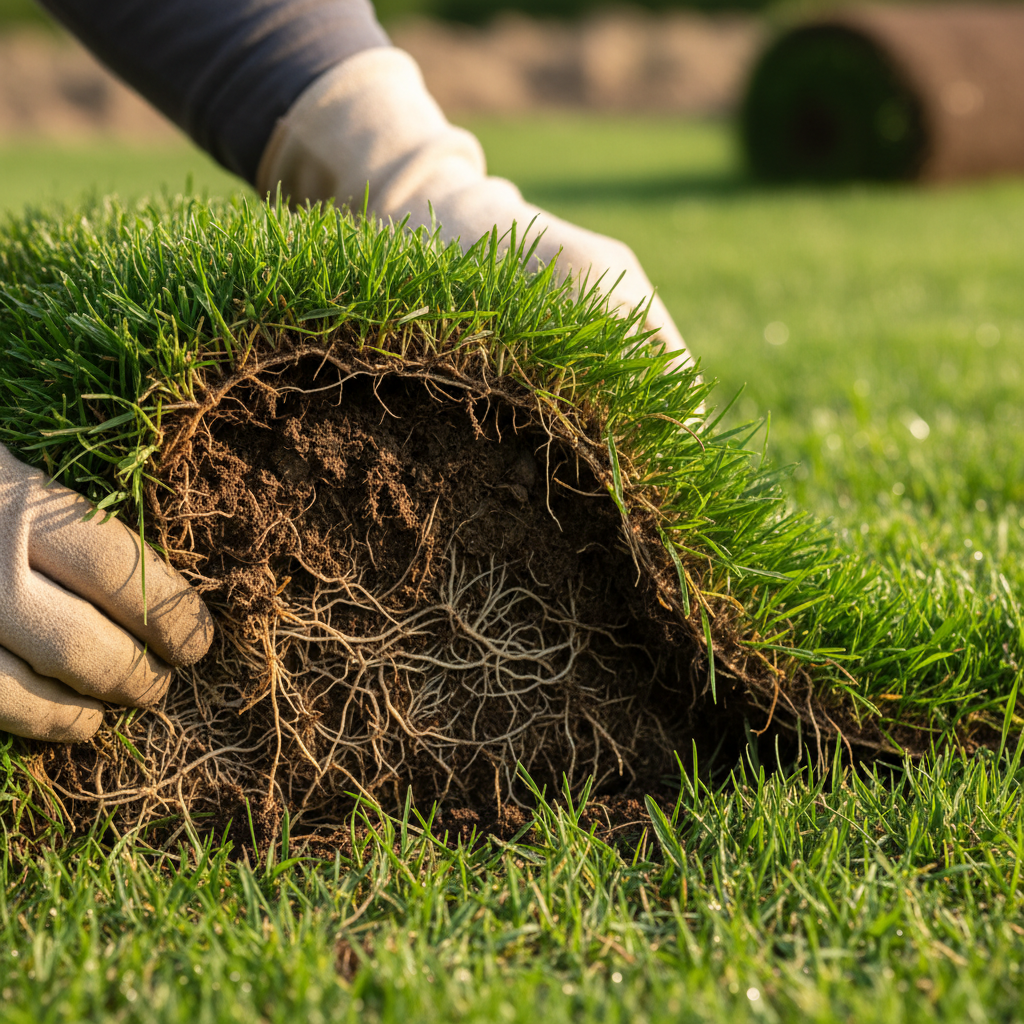
Organic lawn care helps improve soil health, which in turn supports strong root growth. This approach reduces the need for excessive watering and prevents harmful chemicals from leaching into groundwater. By adopting organic practices, you contribute to the overall well-being of your local ecosystem.

Soil Testing and Preparation
Before starting any lawn care routine, it's crucial to understand your soil's composition. A soil test reveals essential information about pH levels and nutrient content, guiding you in making informed decisions about fertilization and amendments.
Based on the test results, you may need to adjust your soil’s pH or add organic matter. Compost is a fantastic addition, enriching the soil with nutrients and improving its structure. This preparation sets the foundation for a thriving lawn.
Choosing the Right Grass
Selecting the appropriate grass type is vital for a successful organic lawn. Consider factors such as climate, sunlight, and foot traffic. Native grasses are often the best choice as they are well-adapted to local conditions and require less maintenance.
Research different grass species to find one that will thrive in your yard’s specific conditions. This ensures your lawn remains healthy and vibrant throughout the growing season.
Natural Fertilizers and Amendments
Organic fertilizers, such as bone meal, blood meal, and fish emulsion, provide essential nutrients without the harmful effects of synthetic options. These natural products break down slowly, offering a steady supply of nutrients to your lawn.
Incorporating organic amendments like compost or aged manure can further enhance soil fertility. These materials encourage beneficial microbial activity, supporting a robust root system and healthier grass growth.
Effective Weed and Pest Control
Managing weeds and pests is a common challenge in lawn care. Organic solutions focus on prevention and control rather than eradication. Hand-pulling weeds is an effective method for small areas, while corn gluten meal can prevent weed seeds from germinating.

For pest control, encourage beneficial insects such as ladybugs and lacewings. These natural predators help keep pest populations in check, reducing the need for chemical interventions.
Watering and Mowing Tips
Proper watering techniques are crucial for maintaining an organic lawn. Water deeply but infrequently, encouraging roots to grow deeper. This practice not only conserves water but also promotes drought resistance.
When mowing, keep grass blades at a higher length. Taller grass shades the soil, reducing evaporation and preventing weed growth. Regularly sharpen mower blades to ensure clean cuts, reducing stress on the grass.
Maintaining a Healthy Lawn Year-Round
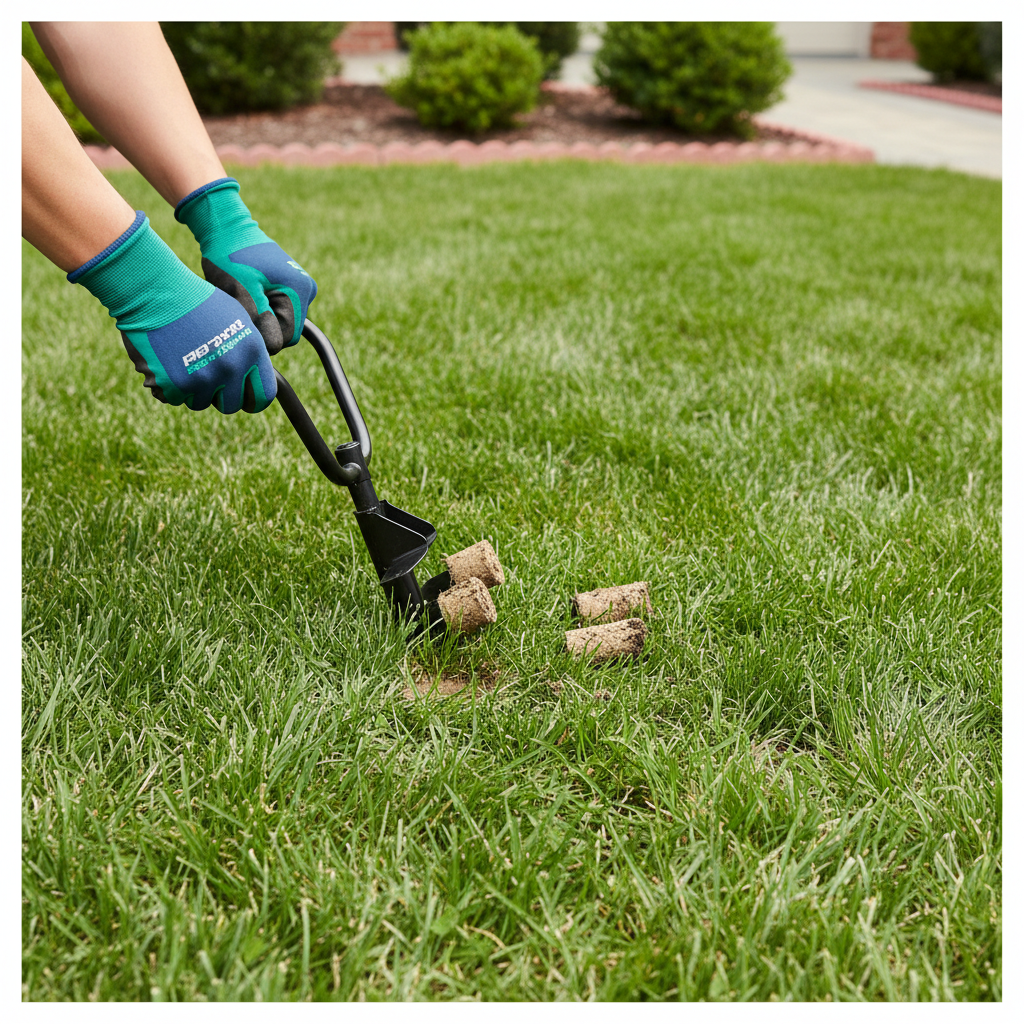
Consistent care is key to sustaining a vibrant lawn. Regularly monitor for signs of stress or nutrient deficiencies, adjusting your care routine accordingly. Seasonal maintenance, such as aerating the soil in fall, can improve air and water penetration.
Embrace a holistic approach by integrating all these organic practices. With patience and perseverance, you’ll enjoy a lush, green yard that’s both beautiful and environmentally friendly.