Avoid These Common Pressure Washing Mistakes


Understanding the Basics of Pressure Washing
Pressure washing is an effective way to clean various surfaces around your home, from driveways to decks. However, using a pressure washer without proper knowledge can lead to damage instead of the desired clean. To ensure successful results, it's crucial to understand the basics before starting any project. This includes knowing your equipment and the surfaces you intend to clean.
Pressure washers come with different settings and nozzles, each designed for specific tasks. Not all surfaces can withstand the same level of pressure. For instance, concrete can handle a higher pressure compared to wood. Adjusting the pressure according to the surface is essential to avoid costly repairs.
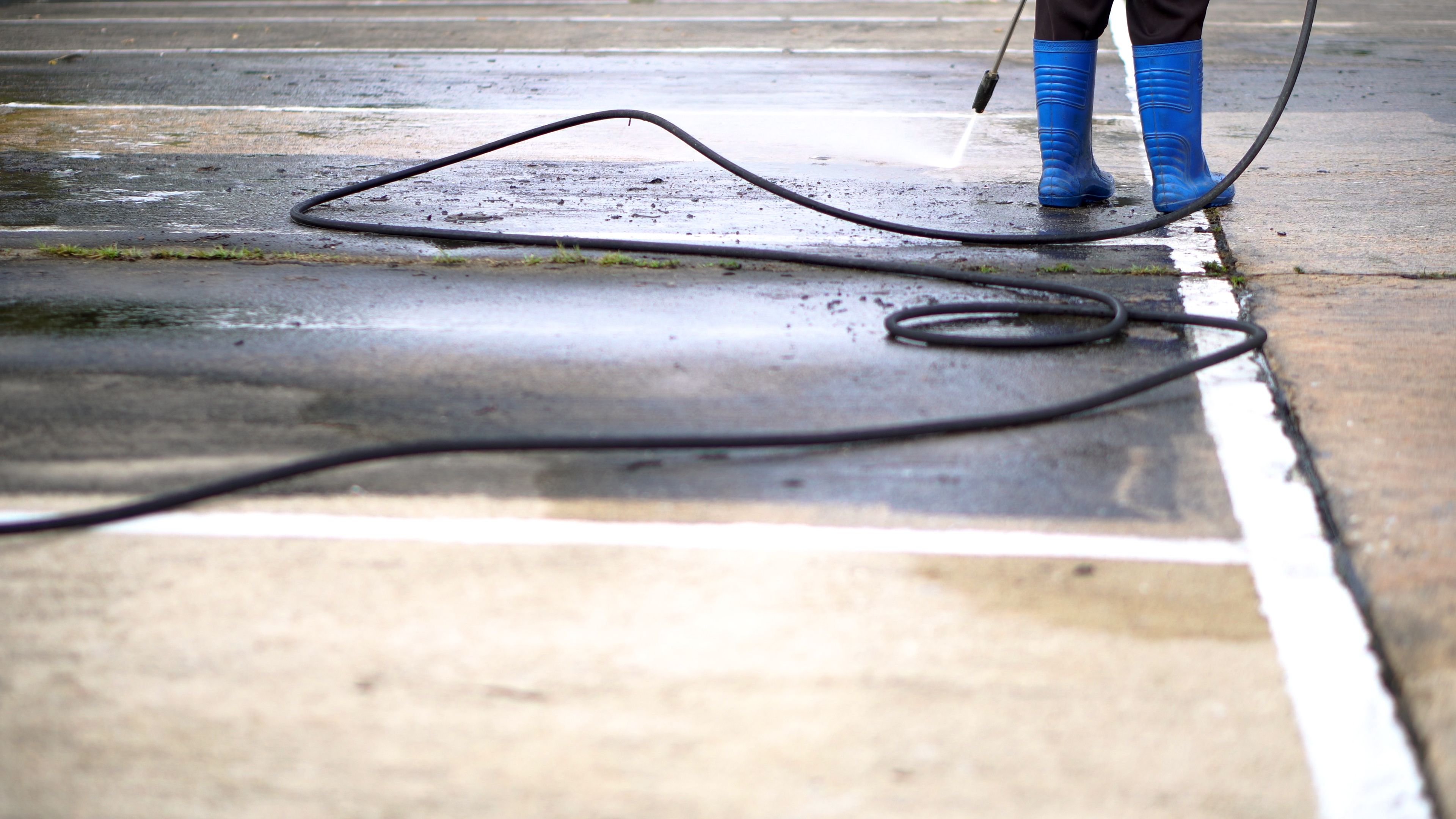
Choosing the Right Nozzle
One of the most common mistakes in pressure washing is using the wrong nozzle. Nozzles are color-coded to indicate the spray angle, which affects the pressure and coverage area. Using a nozzle with too narrow of an angle can damage delicate surfaces, while a wider angle may not effectively clean tough stains.
Here's a brief guide to nozzle selection:
- Red nozzle (0 degrees): Delivers a concentrated stream, ideal for tough stains but risky for most surfaces.
- Yellow nozzle (15 degrees): Suitable for concrete and other hard surfaces.
- Green nozzle (25 degrees): Good for general-purpose cleaning, including decks and patios.
- White nozzle (40 degrees): Best for rinsing and cleaning delicate surfaces.
Avoiding Damage to Surfaces
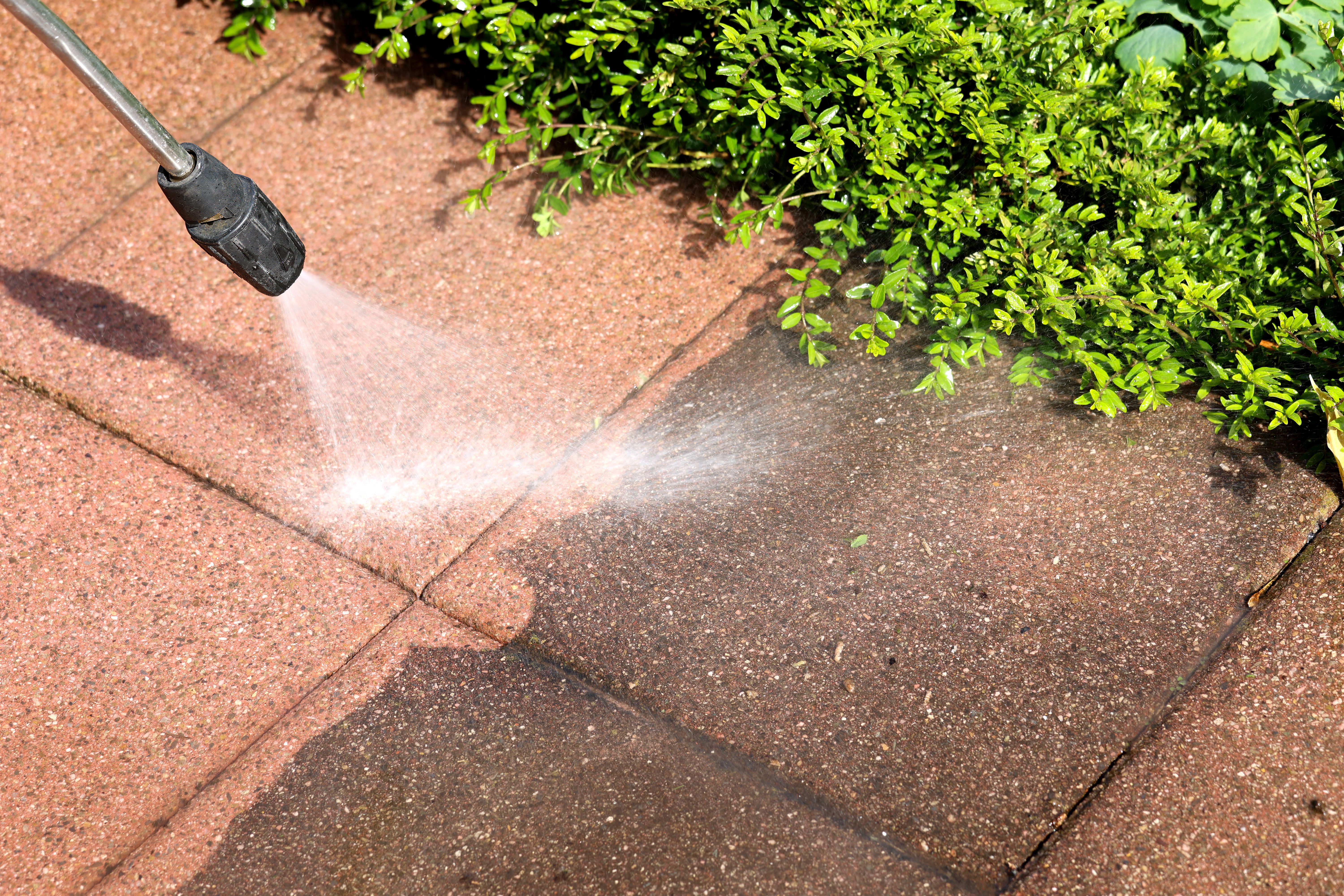
Another frequent mistake is holding the spray too close to the surface. While it might seem like a closer distance will clean more effectively, it can actually cause damage. The high pressure can strip paint, etch wood, and even crack concrete if you're not careful.
To prevent this, maintain a safe distance from the surface, typically around 12 to 18 inches. Always start with a wider spray and gradually move closer if necessary. This approach helps in evaluating the impact of the pressure before causing any harm.
Overlooking Safety Precautions
Safety should never be an afterthought when pressure washing. The powerful spray can cause injuries if not handled properly. Always wear protective gear such as goggles, gloves, and non-slip shoes. Additionally, be cautious of your surroundings to avoid tripping over hoses or slipping on wet surfaces.
It's also important to be aware of electrical hazards. Make sure to keep the pressure washer away from power lines and electrical outlets. If using an electric model, ensure all connections are dry and secure to prevent electric shock.
Ignoring Regular Maintenance
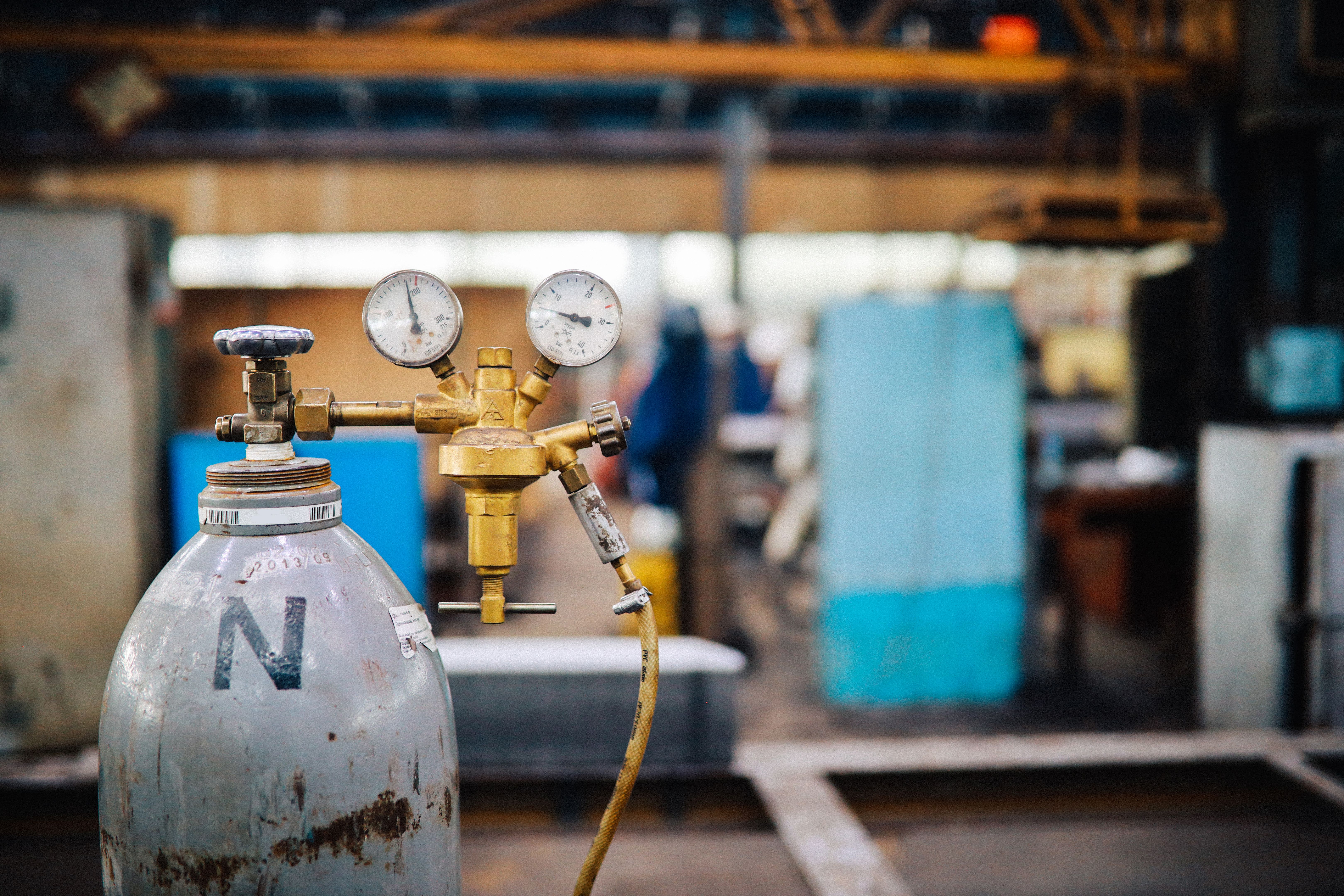
Proper maintenance of your pressure washer is vital for its longevity and performance. Many people neglect this aspect, leading to decreased efficiency and potential breakdowns. Regularly check hoses and connections for leaks, clean or replace filters, and ensure the spray gun is functioning correctly.
Storing your pressure washer correctly is equally important. Avoid leaving it in areas exposed to extreme temperatures. Drain any remaining water from the pump to prevent freezing and damage during colder months.
Neglecting Surface Preparation
Before starting a pressure washing project, proper surface preparation is necessary. Overlooking this step can result in uneven cleaning and damage. Remove any loose dirt and debris by sweeping the area first. Cover nearby plants and electrical fixtures to protect them from the water spray.
If you're dealing with stubborn stains, pre-treat them with a suitable cleaning solution. Allow the solution to sit for a few minutes before pressure washing. This can significantly enhance the cleaning process and save time in the long run.

Conclusion
Pressure washing is a valuable tool for maintaining the cleanliness and appearance of your property. By avoiding these common mistakes, you can achieve excellent results without causing damage. Remember to choose the right nozzle, maintain a safe distance, and prioritize safety throughout your cleaning endeavors.
Regular maintenance and proper preparation are key components of successful pressure washing. By following these guidelines, you can ensure that your pressure washing projects are both effective and safe.