Common Lawn Care Mistakes and How to Avoid Them


Overwatering Your Lawn
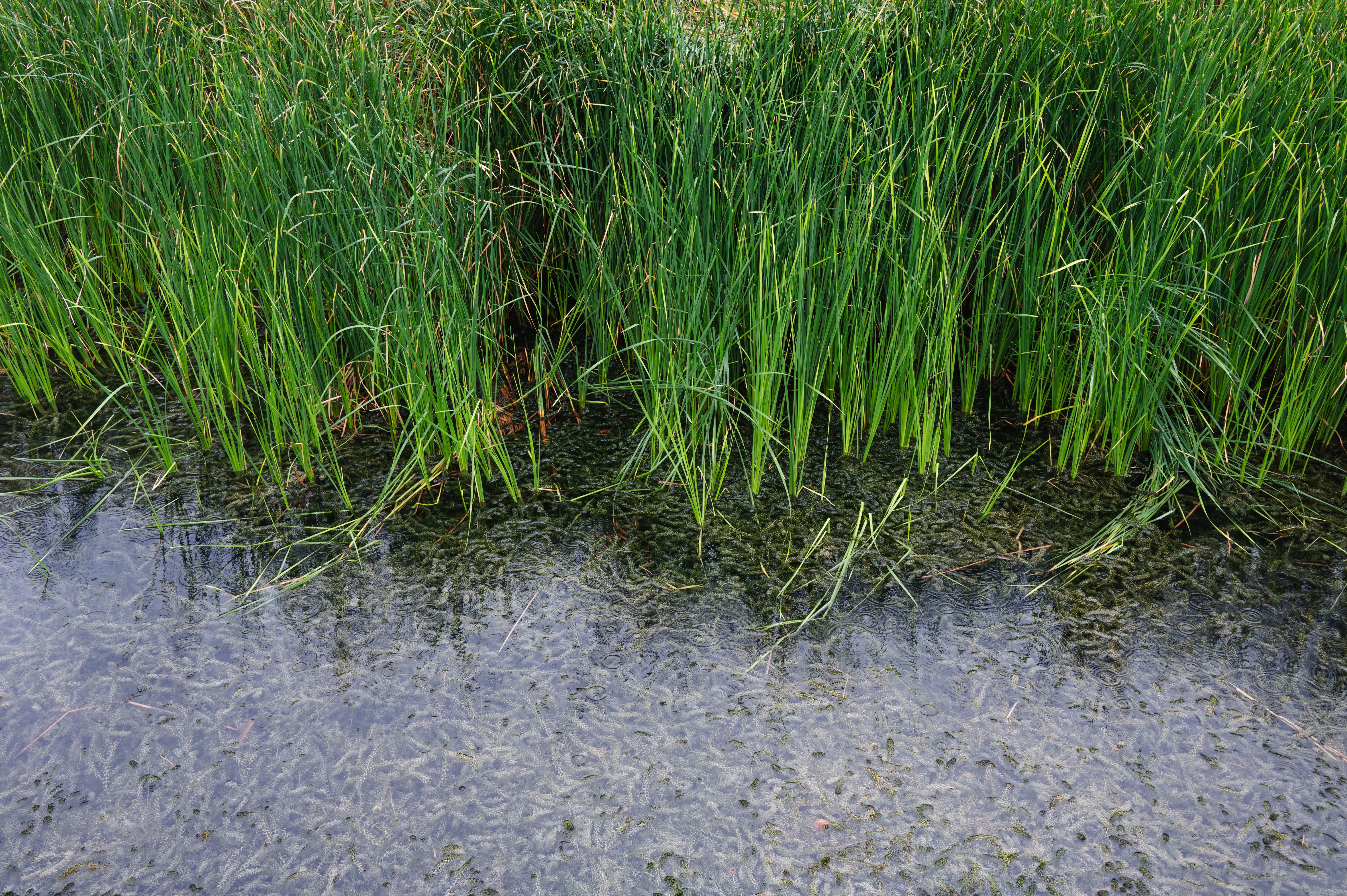
One of the most common mistakes in lawn care is overwatering. While it might seem like more water equals a healthier lawn, too much water can lead to issues like fungal growth and root rot. To avoid this, ensure your lawn receives about an inch of water per week, including rainfall. Use a rain gauge to measure how much water your lawn is actually getting.
Proper Watering Techniques
Water your lawn deeply but infrequently. This encourages roots to grow deeper into the soil, making your lawn more drought-resistant. The best time to water is early in the morning when temperatures are cooler and winds are calmer, reducing evaporation.
Ignoring Soil Health
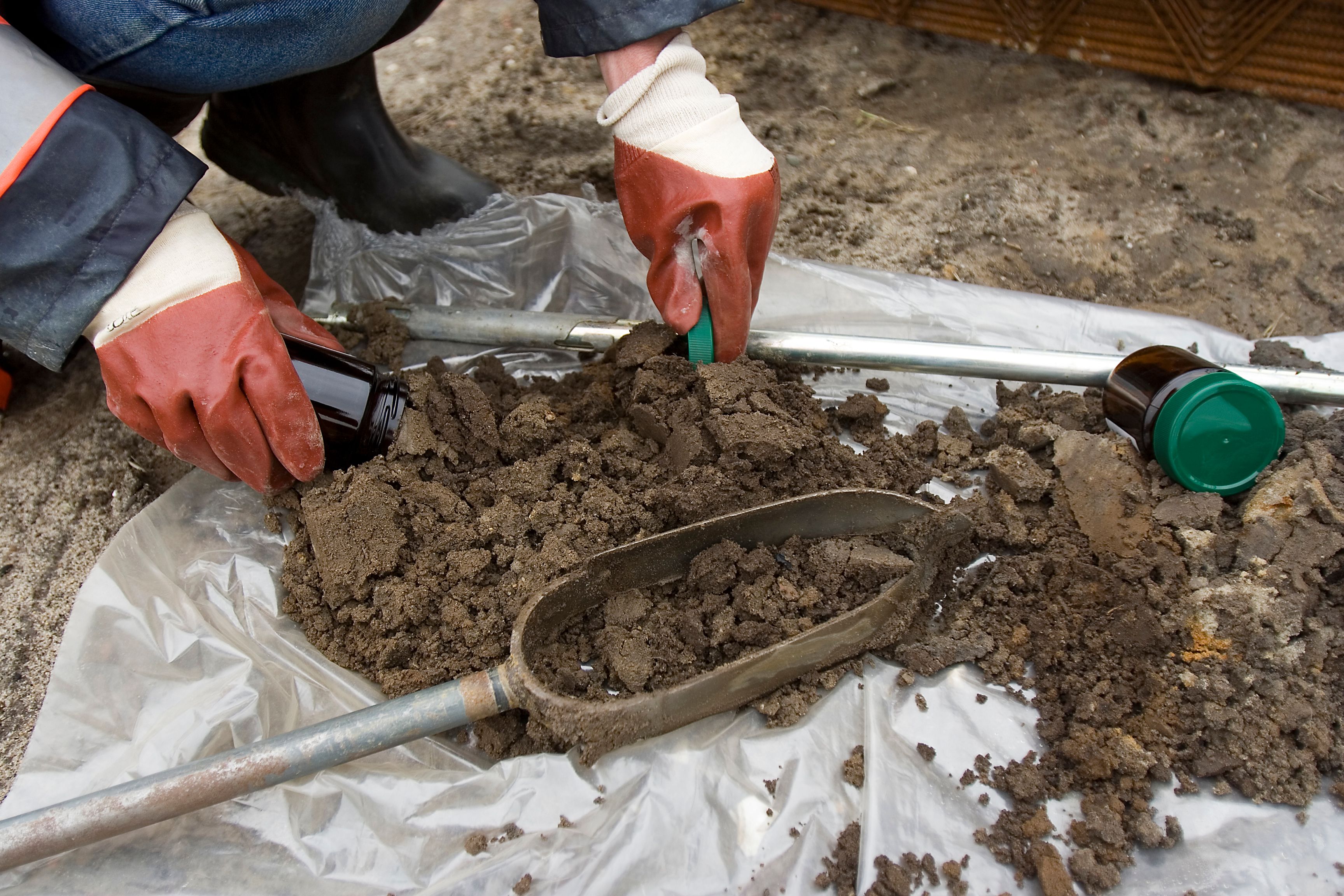
Healthy soil is the foundation of a vibrant lawn. Many people neglect soil testing and amendments, leading to nutrient deficiencies. Conduct a soil test every few years to determine pH levels and nutrient needs. Based on the results, apply the necessary fertilizers and organic matter to keep your soil healthy.
Choosing the Right Fertilizer
Not all fertilizers are created equal. Select a fertilizer that matches your lawn's specific needs as determined by your soil test. Over-fertilizing can be just as harmful as under-fertilizing, leading to nutrient runoff and environmental issues.
Mowing Mistakes
Improper mowing practices can cause significant damage to your lawn. Cutting grass too short weakens it by reducing its ability to photosynthesize efficiently. Aim to cut only one-third of the grass blade’s height at a time. Also, keep your mower blades sharp to ensure clean cuts, which help prevent disease.

Maintaining a Mower
Regular maintenance of your mower is crucial for optimal performance. Sharpen blades at least once per season and check oil and air filters periodically. A well-maintained mower not only enhances lawn health but also makes mowing easier and more efficient.
Neglecting Pest Control
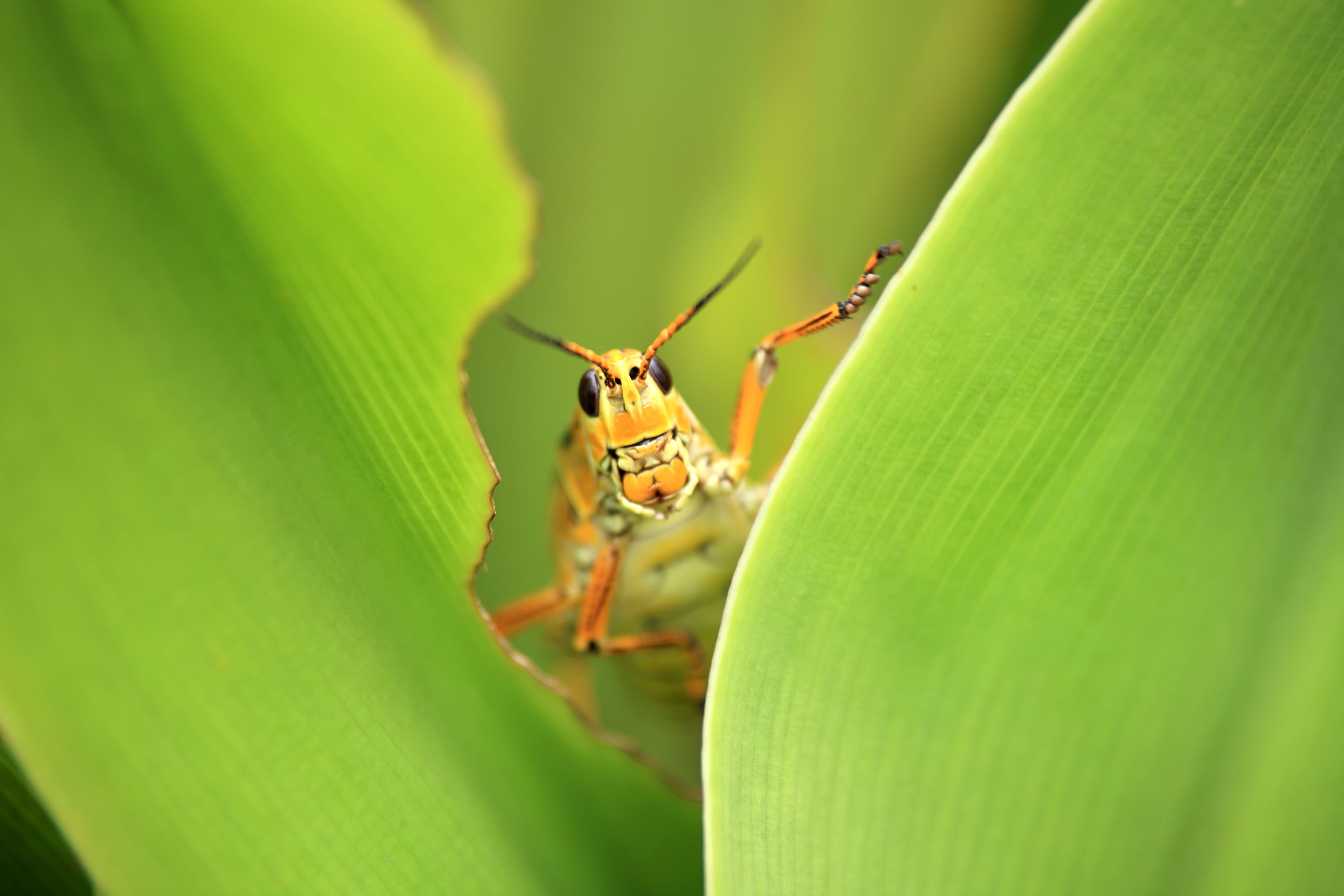
Pests can wreak havoc on an otherwise healthy lawn if not addressed promptly. Regularly inspect your lawn for signs of grubs, chinch bugs, and other common pests. Integrated pest management strategies, such as encouraging natural predators and using targeted treatments, can help keep pest populations in check without harming the environment.
Preventive Measures
Prevention is key when it comes to pest control. Maintain a healthy lawn through proper watering, mowing, and fertilizing practices to make it less susceptible to pest infestations. If chemical treatments become necessary, choose environmentally friendly options whenever possible.
Conclusion
Avoiding these common lawn care mistakes can transform your yard into a lush, green paradise. By understanding and implementing proper watering techniques, maintaining soil health, mowing correctly, and managing pests effectively, you can enjoy a beautiful lawn all season long. Remember, consistent care and attention are essential for long-lasting results.