Common Lawn Care Mistakes and How to Avoid Them


Overwatering Your Lawn
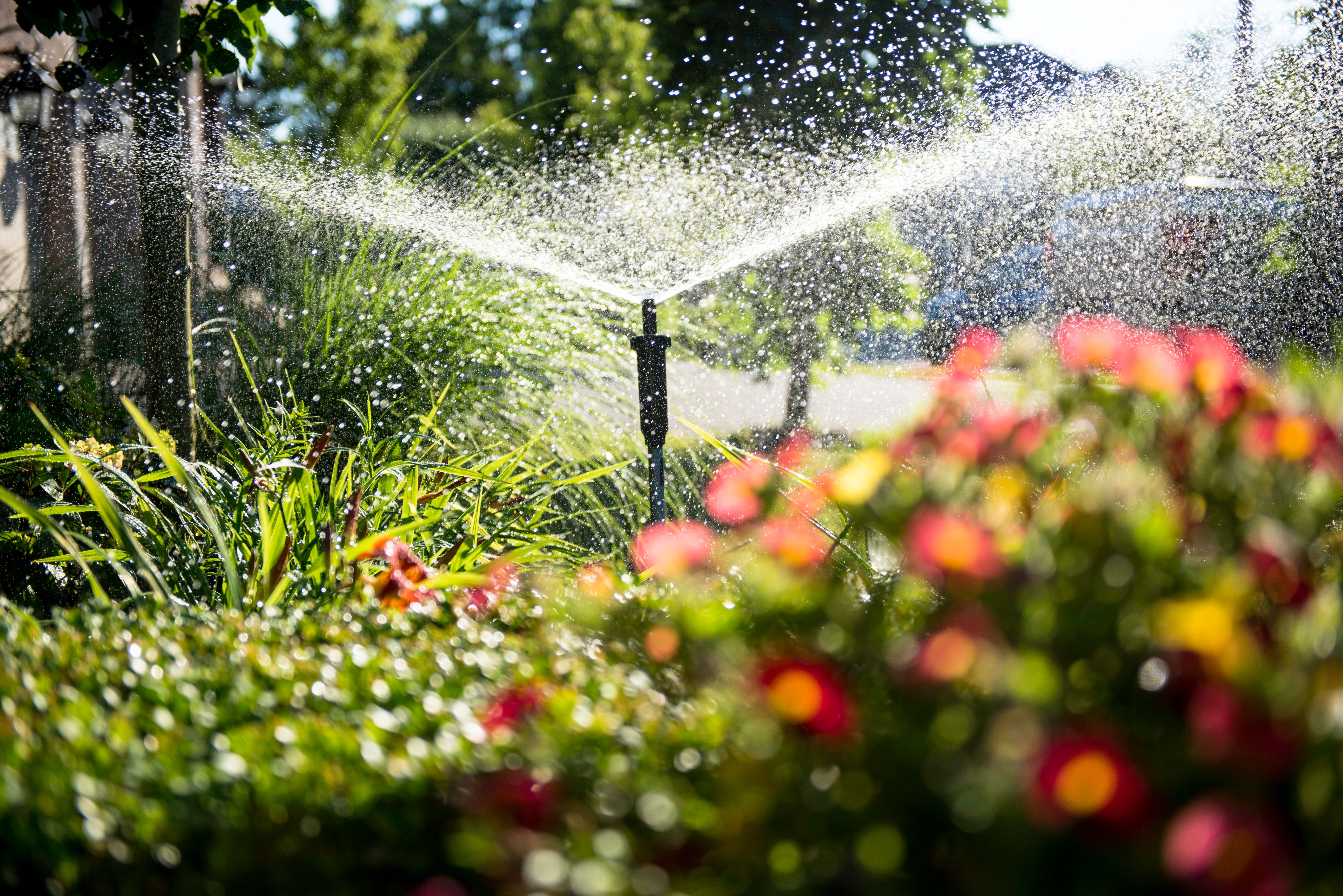
One of the most common lawn care mistakes is overwatering. Many homeowners believe that more water means a greener lawn. However, overwatering can lead to a host of problems, including shallow root systems, disease, and even pest infestations. It's important to water your lawn deeply but infrequently, allowing the soil to dry out between watering sessions.
Signs of Overwatering
Look for signs such as a spongy lawn, an increase in weeds like crabgrass, or the presence of fungal growth. If you notice these issues, it's time to adjust your watering schedule. Aim for around 1 inch of water per week, including rainfall, to keep your lawn healthy.
Mowing Mistakes
Another common error is mowing the lawn too short. Cutting the grass too low can stress your lawn and make it more susceptible to disease and weeds. The key is to follow the "one-third rule," which means never removing more than one-third of the grass blade at a time.

Proper Mowing Techniques
Ensure your mower blades are sharp to provide a clean cut and reduce the risk of tearing the grass. Additionally, vary your mowing pattern each time to prevent soil compaction and allow the grass to grow upright.
Ignoring Soil Health
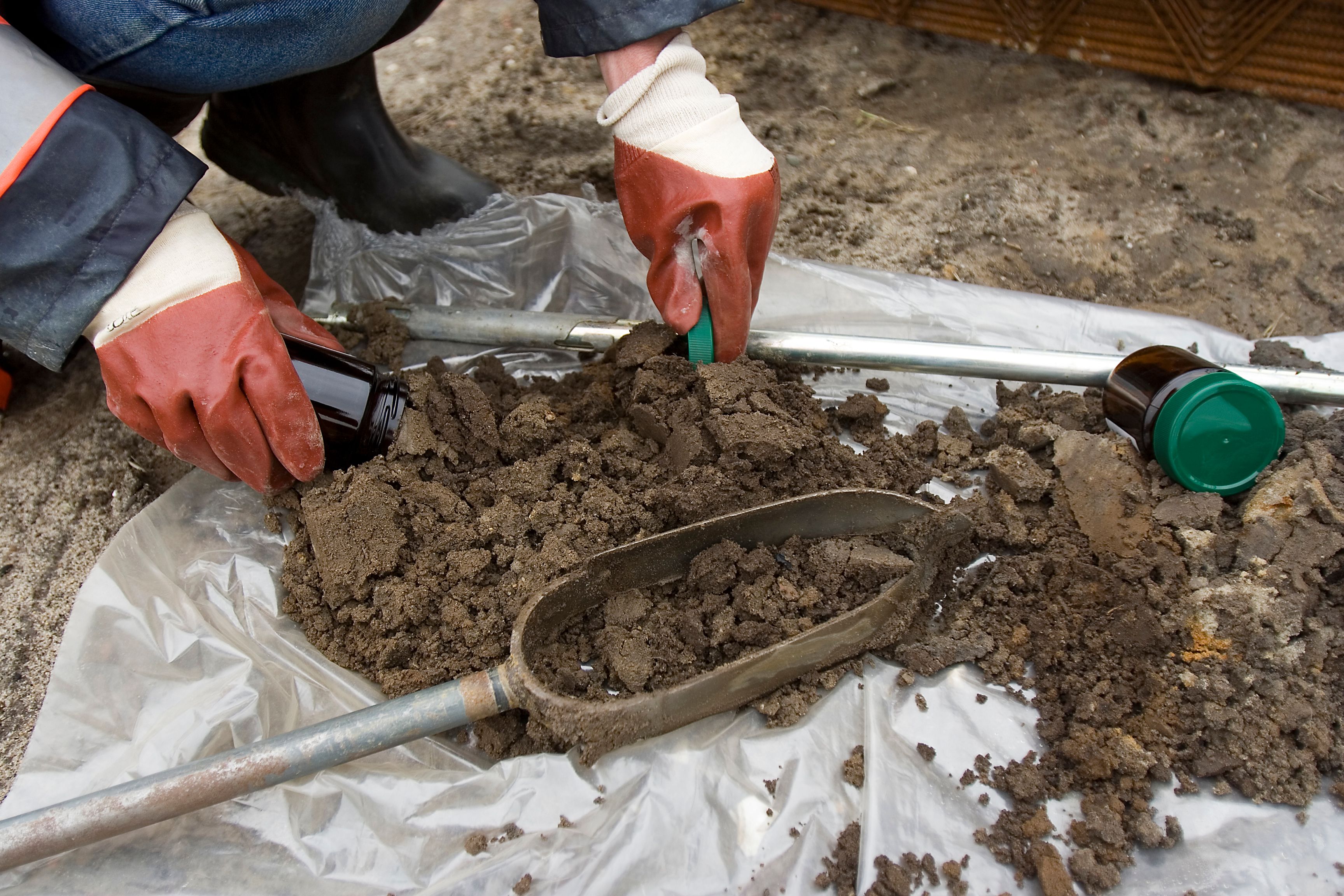
The health of your lawn is closely tied to the condition of your soil. Neglecting soil health can lead to poor grass growth and increased susceptibility to pests and diseases. Regularly test your soil to determine its pH and nutrient levels.
Improving Soil Quality
If your soil test reveals imbalances, consider aerating your lawn to improve air circulation and nutrient absorption. Adding organic matter like compost can also enhance soil health, leading to a more resilient lawn.
Inadequate Fertilization
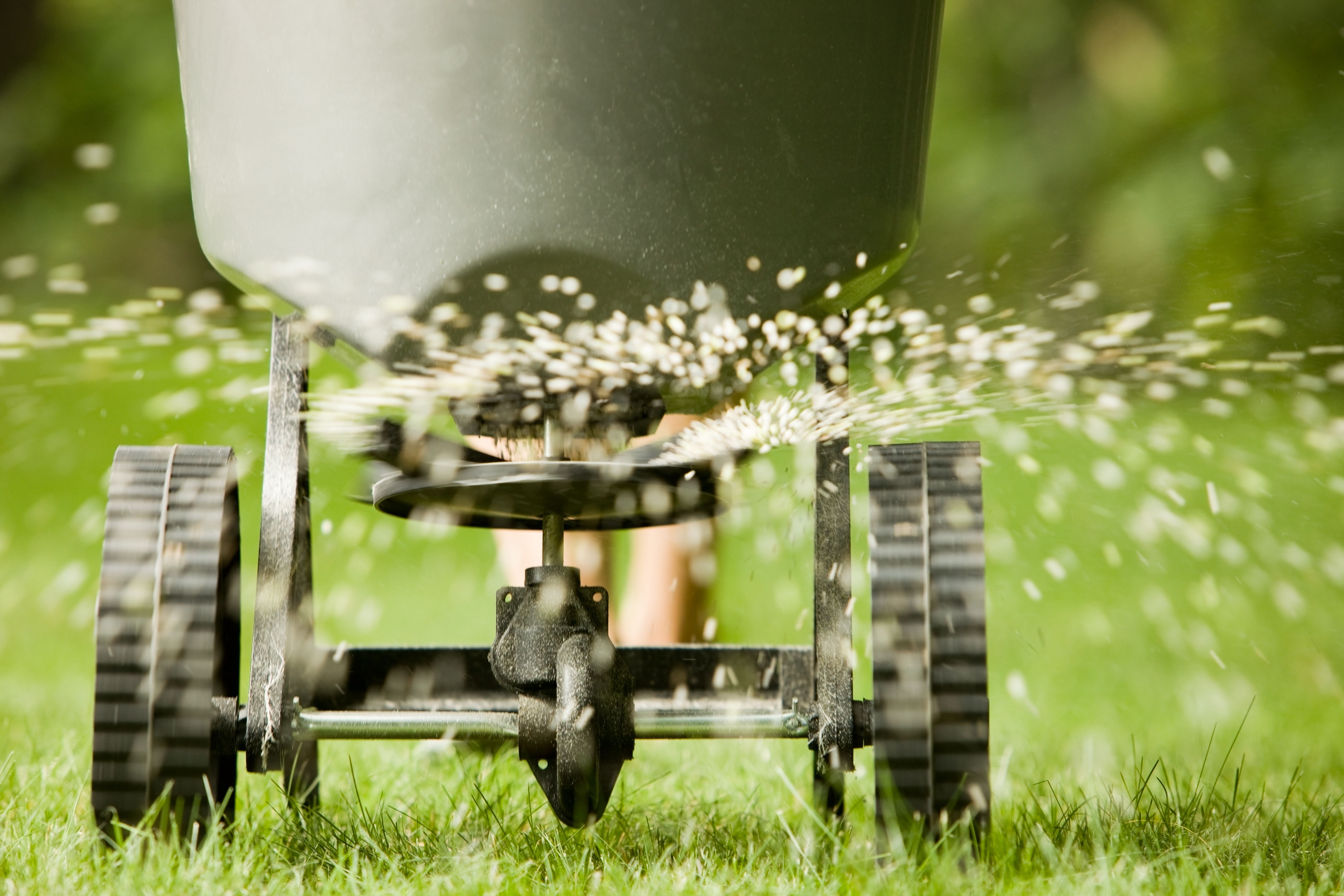
Fertilization is crucial for a lush, green lawn, but mistakes in timing or quantity can cause more harm than good. Applying too much fertilizer can burn your grass, while insufficient fertilization won't provide the nutrients your lawn needs.
Effective Fertilization Practices
Use a balanced fertilizer and follow the manufacturer's instructions for application rates. It's best to fertilize during active growth periods, such as early spring and fall. This approach ensures your lawn receives the nutrients it needs without the risk of over-fertilization.