Common Lawn Care Mistakes and How to Avoid Them


Introduction to Common Lawn Care Mistakes
Maintaining a lush, green lawn can be a rewarding but challenging task. While many homeowners strive to achieve the perfect lawn, several common mistakes can hinder their efforts. Understanding these pitfalls and how to avoid them is crucial for anyone looking to improve their lawn care routine.

Overwatering: A Common Misstep
One of the most frequent mistakes in lawn care is overwatering. While water is essential for grass growth, too much of it can lead to shallow root systems and increased susceptibility to disease. To avoid this, it's important to water deeply but infrequently. Aim for about an inch of water per week, including rainfall, and adjust according to your climate and grass type.
Signs of Overwatering
Watch for signs like soggy soil, fungal growth, or yellowing grass, which can all indicate overwatering. Implementing a simple rain gauge can help monitor rainfall and adjust watering schedules accordingly.
Improper Mowing Practices
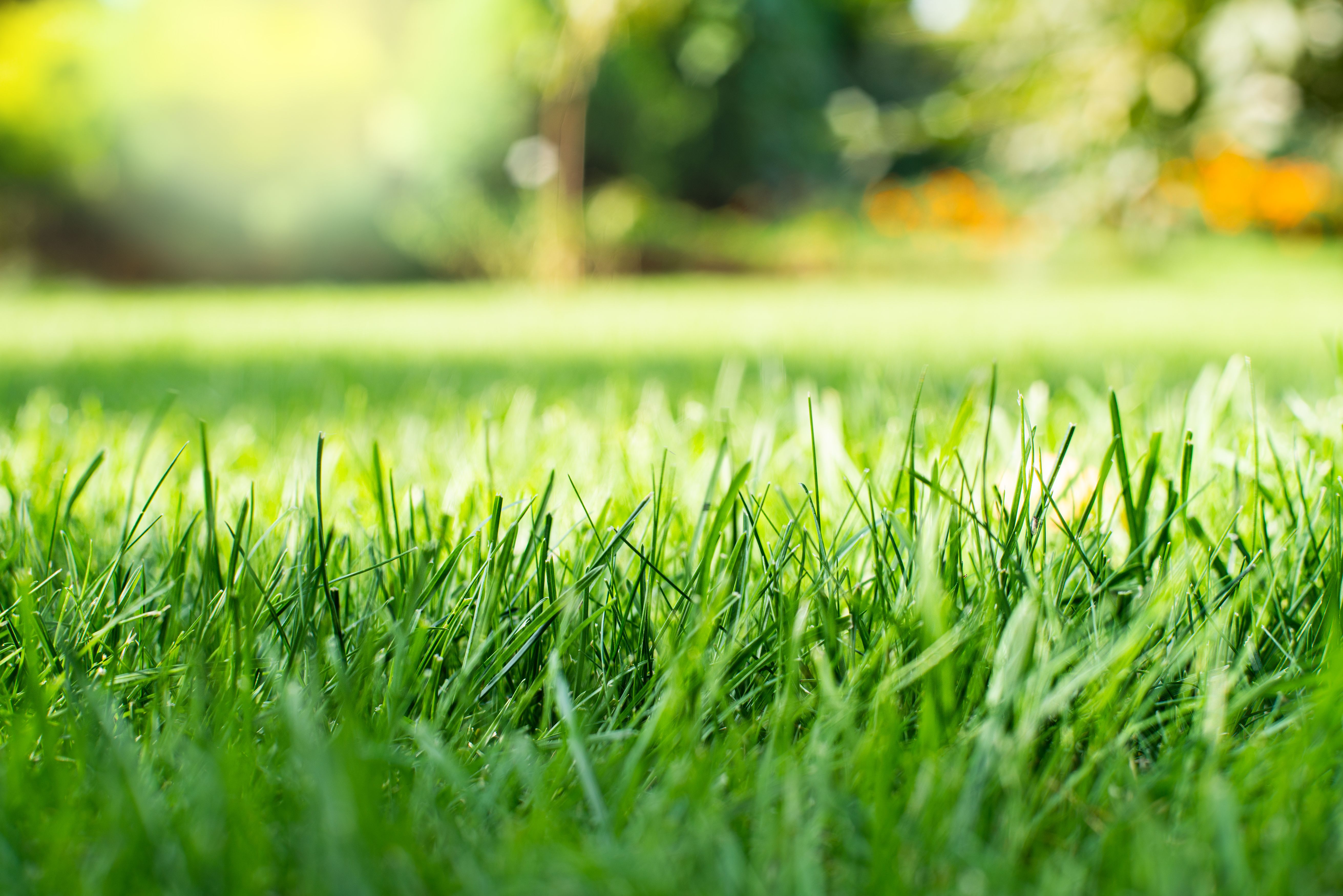
Mowing may seem like a straightforward task, but improper techniques can inadvertently damage your lawn. One common mistake is cutting the grass too short, known as "scalping." This weakens the grass by removing too much of its energy source. Instead, follow the "one-third rule" by never removing more than one-third of the grass height in a single mow.
Mower Maintenance
Regularly maintain your mower by sharpening blades and adjusting mowing heights seasonally. Dull blades can tear grass, leading to a brownish color and increased vulnerability to disease.
Ignoring Soil Health
The health of your lawn is largely dependent on the quality of the soil beneath it. Ignoring soil health is a mistake many homeowners make. Conducting a soil test can provide valuable information about nutrient levels and pH balance. Based on the results, you can adjust your fertilization strategy to ensure your grass receives the nutrients it needs.
Proper Fertilization
Avoid the temptation to over-fertilize, which can lead to nutrient runoff and environmental harm. Use a slow-release fertilizer and apply it during the appropriate seasons for your grass type.

Neglecting Weed and Pest Control
Weeds and pests can quickly take over if not properly managed. A proactive approach to weed and pest control can save a lot of time and effort in the long run. Regularly inspect your lawn for any signs of infestation or invasive plants.
Integrated Pest Management
Consider implementing integrated pest management (IPM) strategies, which focus on long-term prevention and minimal chemical use. This approach includes cultural, biological, and mechanical controls to keep pests at bay while maintaining a healthy lawn ecosystem.
Conclusion
Avoiding these common lawn care mistakes requires awareness and a bit of effort, but the results are well worth it. By adjusting watering habits, improving mowing techniques, focusing on soil health, and managing weeds and pests effectively, you can enjoy a vibrant and thriving lawn all year round.