DIY Lawn Care: Essential Tips for a Lush, Green Lawn


Understanding Your Lawn's Needs
A lush, green lawn is a dream for many homeowners, but achieving it requires understanding your lawn's specific needs. Different grass types have varied requirements for sunlight, water, and nutrients. Identify the grass species in your lawn to tailor your care approach effectively. It’s crucial to know whether your grass is cool-season or warm-season, as this will influence your maintenance schedule.

Soil Testing: The Foundation of Lawn Care
Before diving into fertilization or other treatments, conduct a soil test to determine pH levels and nutrient deficiencies. Soil testing kits are widely available and easy to use. By understanding your soil's composition, you can select the right fertilizer and amendments to promote healthy grass growth. Remember, a balanced soil environment is the foundation of a thriving lawn.
Mowing Practices for a Healthier Lawn
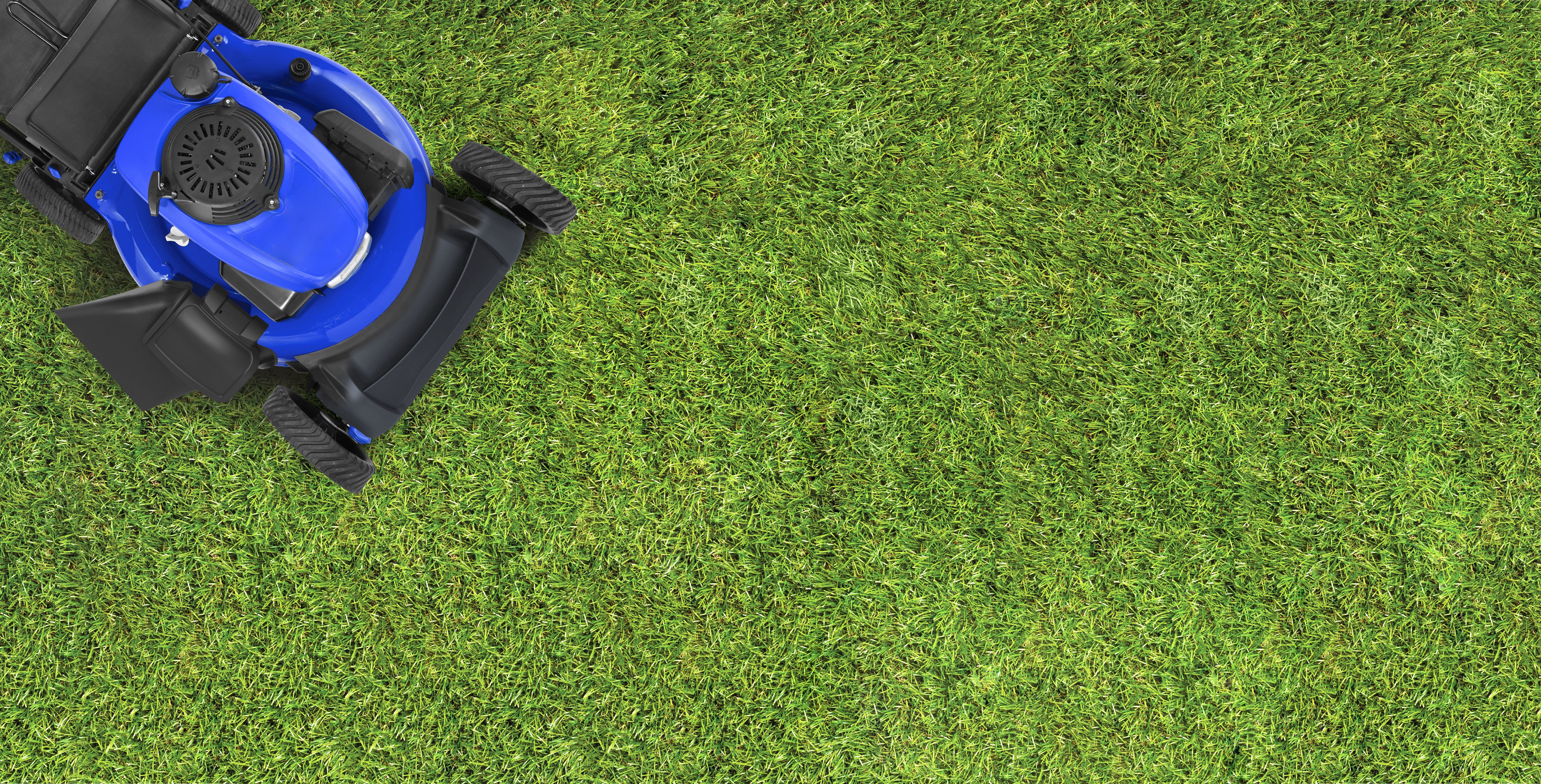
Mowing is more than just cutting grass; it's about maintaining the right height for optimal growth. Always keep your mower blades sharp to avoid tearing the grass, which can lead to disease. Follow the one-third rule: never cut more than one-third of the grass height at once. This practice reduces stress on the grass and encourages deeper root growth.
Watering Wisely
Watering is a critical component of lawn care. Aim for deep and infrequent watering sessions to encourage roots to grow deeper into the soil. Early morning is the best time to water your lawn, reducing evaporation loss and fungal disease risk. Depending on the climate and grass type, lawns typically need about 1 to 1.5 inches of water per week.
Fertilization: Feeding Your Lawn
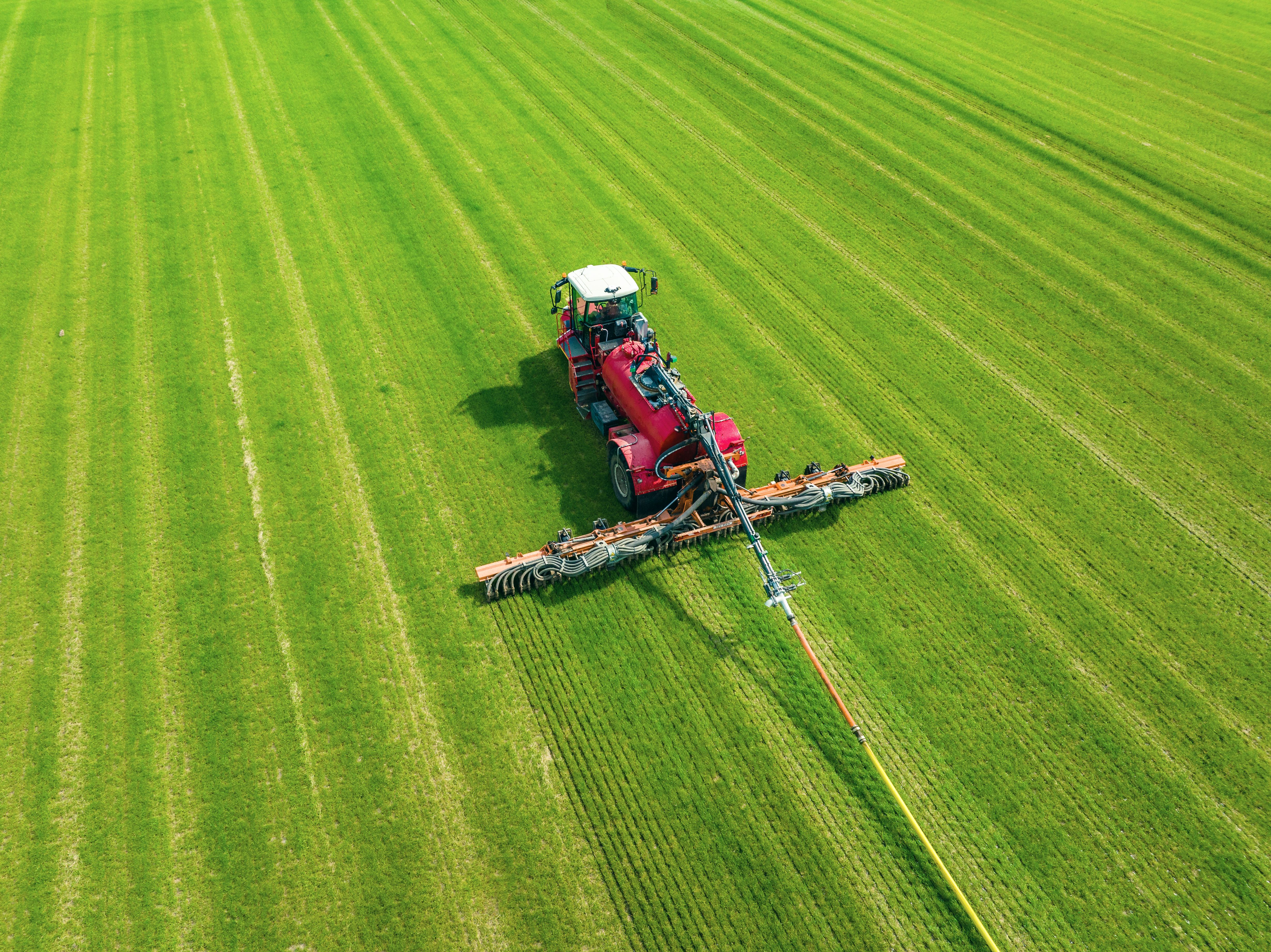
A regular fertilization schedule provides essential nutrients that might be lacking in the soil. Choose fertilizers based on the results of your soil test for maximum efficacy. Apply fertilizers during the active growth phase of your grass species—spring and fall for cool-season grasses and late spring through early summer for warm-season grasses.
Aeration and Overseeding
Aeration helps alleviate soil compaction, improving air, water, and nutrient flow to the roots. This process is particularly beneficial in high-traffic areas of your lawn. Consider overseeding after aeration to thicken your lawn and fill in bare patches. This dual approach enhances lawn density and resilience against weeds and diseases.
Weed and Pest Management
A proactive approach to weed and pest management can save you from extensive damage later on. Regularly inspect your lawn for signs of weeds or pests, such as discoloration or patchy grass. Use natural or chemical treatments as needed, but ensure they’re appropriate for your lawn type to avoid harming beneficial organisms.
Seasonal Lawn Care Tips
Adapt your lawn care routine according to the season to maintain its health year-round. In spring, focus on cleaning up winter debris and applying pre-emergent weed control. Summer requires diligent watering and mowing adjustments, while fall is ideal for aeration and fertilization. Winter is a time to rest, but continue monitoring for any issues that could carry over into spring.