DIY Lawn Care: Essential Tools and Techniques for Beginners


Getting Started with DIY Lawn Care
Maintaining a lush, green lawn doesn't have to be a daunting task. With the right tools and techniques, even beginners can achieve beautiful results. Whether you're looking to save money or simply enjoy the satisfaction of doing it yourself, this guide will help you get started on your DIY lawn care journey.
Before diving into the process, it's crucial to understand your lawn's specific needs. Factors such as soil type, climate, and grass species play a significant role in determining the best care practices. Once you have a good grasp of these factors, you can proceed with confidence.
Essential Lawn Care Tools
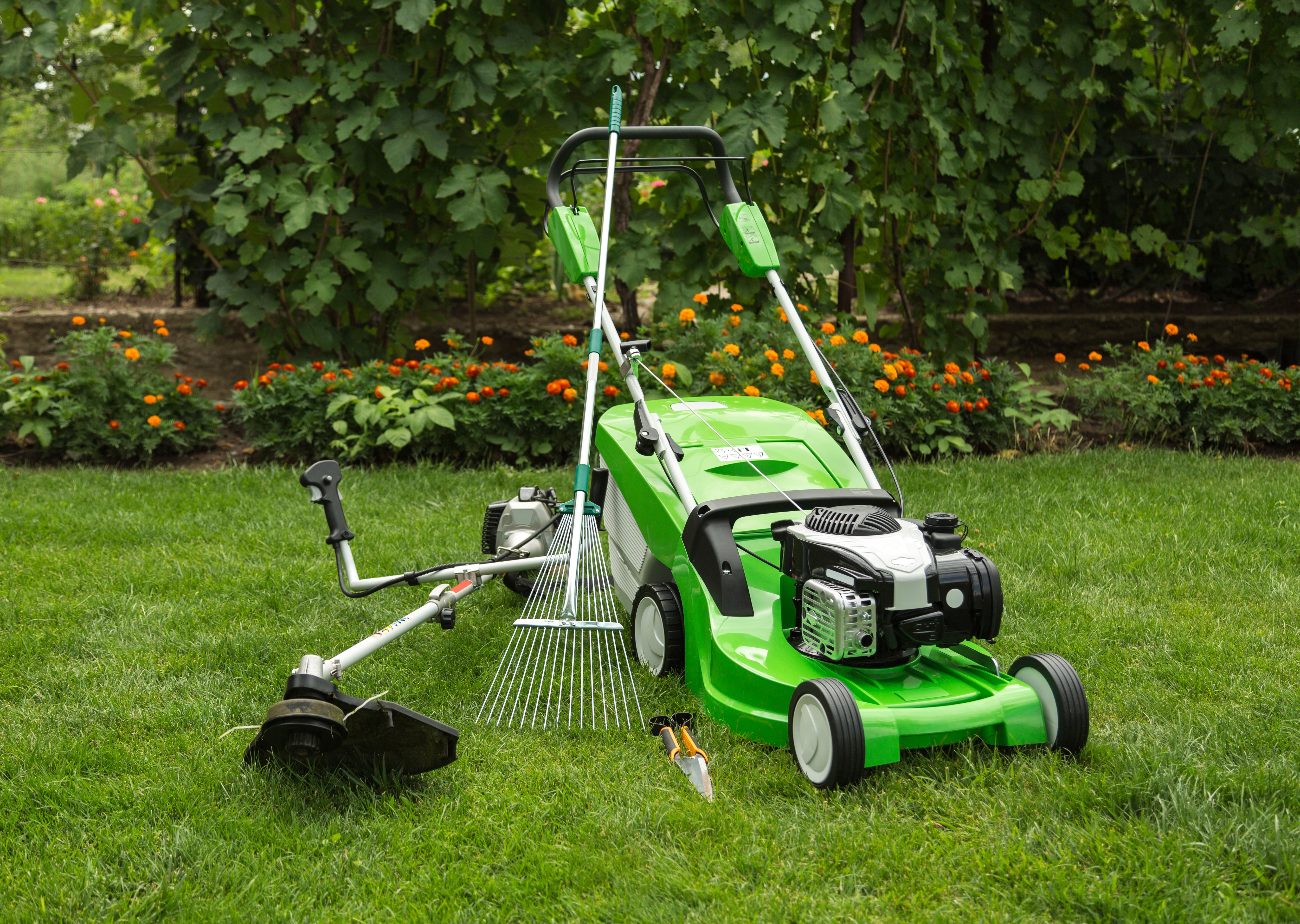
Having the right tools is vital for efficient and effective lawn care. Here are some essential tools every beginner should consider:
- Lawn Mower: A reliable lawn mower is a must-have for keeping your grass at an optimal height. Choose between a gas-powered, electric, or manual reel mower based on your lawn size and personal preference.
- String Trimmer: Perfect for trimming edges and reaching areas where the mower can't go.
- Garden Rake: Use a rake to remove leaves, thatch, and other debris from your lawn.
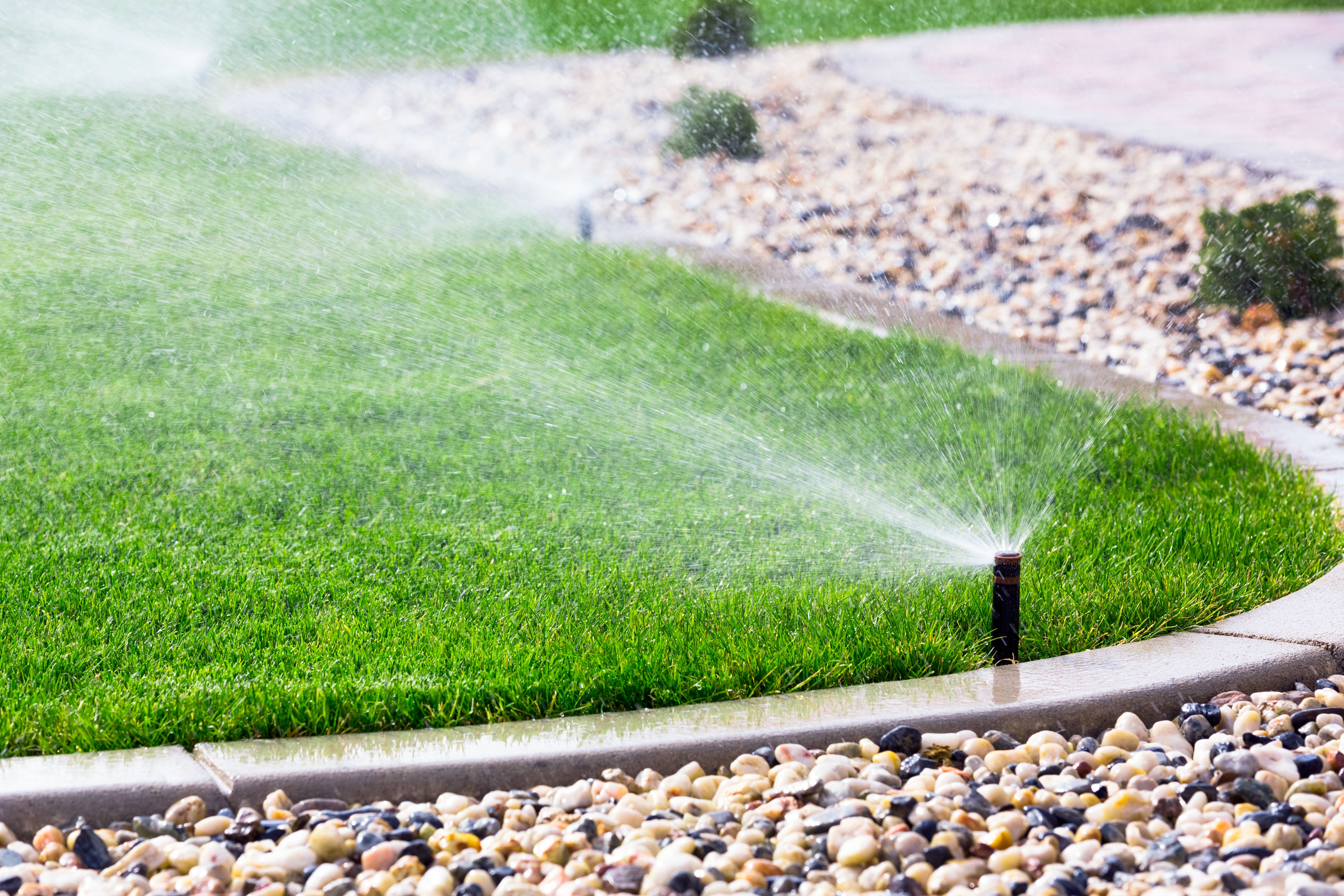
- Sprinkler or Hose: Proper watering is crucial for lawn health. Invest in a quality sprinkler system or hose with a spray nozzle.
Techniques for a Healthy Lawn
Once you've gathered your tools, it's time to focus on techniques that will keep your lawn healthy and vibrant. Regular maintenance is key to preventing issues and promoting growth.
Mowing
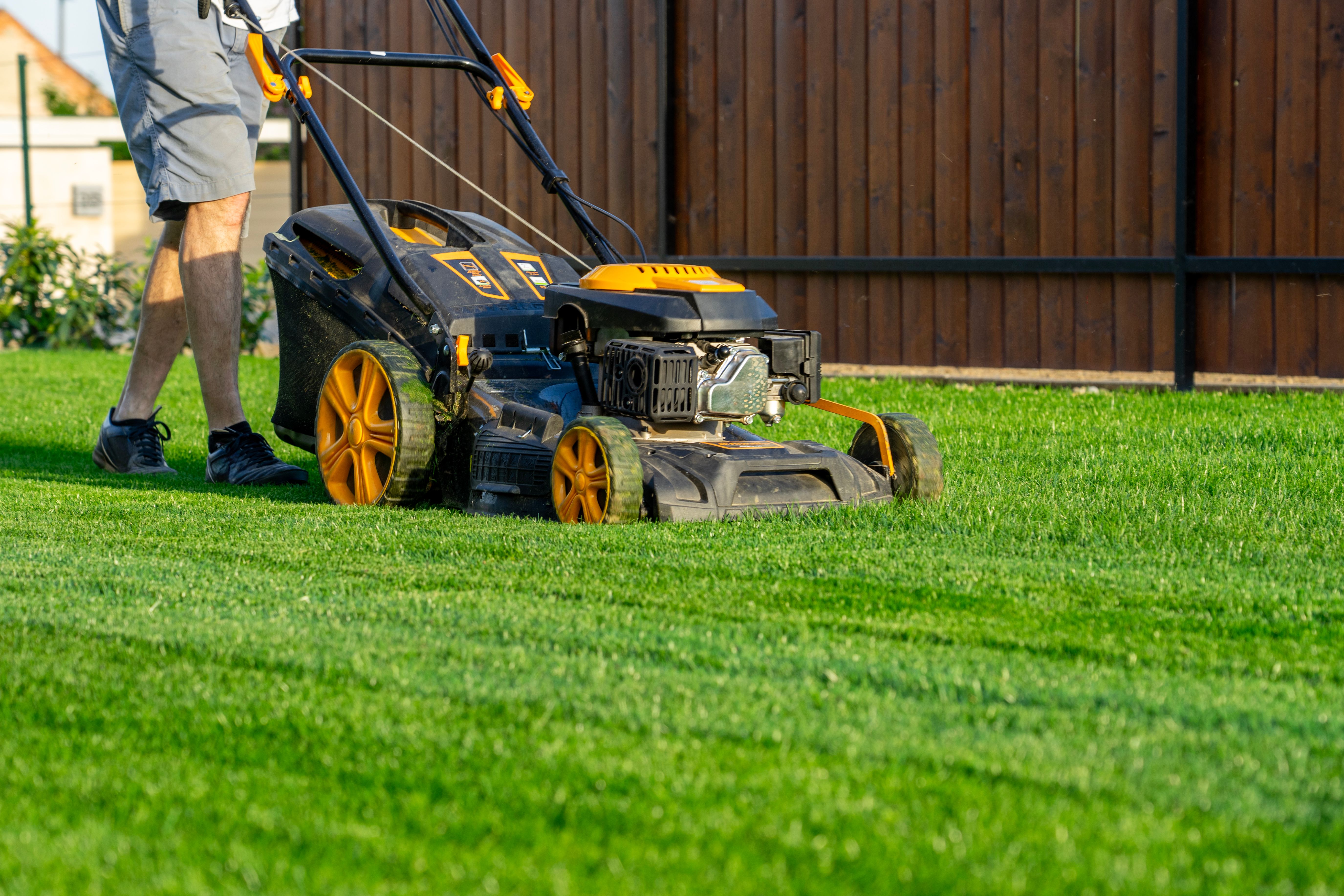
Mowing is more than just cutting grass; it's about maintaining the right height to encourage growth and prevent weeds. Aim to mow when the grass is dry and avoid cutting more than one-third of the blade height at a time. This practice helps reduce stress on the grass.
Watering
Watering deeply but infrequently encourages deep root growth. Generally, lawns need about one inch of water per week, including rainfall. Use a rain gauge or moisture sensor to help gauge when watering is necessary.
Additional Tips for Beginners
A healthy lawn requires more than just mowing and watering. Here are some additional tips to ensure your lawn stays in top condition:
- Aeration: Aerate your lawn once a year to improve air circulation and nutrient absorption. This process involves perforating the soil with small holes to allow air, water, and nutrients to penetrate the grass roots.
- Fertilization: Fertilize your lawn twice a year — in spring and fall — to provide essential nutrients. Choose a fertilizer that matches your grass type and follow the application instructions carefully.
- Weed Control: Regularly check for weeds and remove them promptly to prevent them from spreading. Consider using natural or chemical weed control methods as necessary.
By investing time in understanding your lawn's needs and utilizing the right tools and techniques, you can achieve a beautiful, thriving outdoor space. As you gain experience, you'll become more adept at spotting potential issues and addressing them proactively. Happy gardening!