DIY Lawn Care Tips for Beginners: What You Need to Know


Getting Started with DIY Lawn Care
Embarking on a DIY lawn care journey can be both rewarding and cost-effective. For beginners, understanding the basics is crucial. Before you start, assess your lawn's current condition. Is it patchy or overgrown? Understanding its needs will guide your efforts.

Essential Tools for Lawn Care
To maintain a healthy lawn, having the right tools is essential. Invest in a good quality lawnmower that suits the size of your lawn. Other useful tools include:
- Lawn edger for crisp borders
- Rake for removing debris
- Garden hose or sprinkler for watering
- Fertilizer spreader for even application
Understanding Your Grass Type
Different grass types have unique needs and growth patterns. Identify the type of grass in your lawn to tailor your care routine. Common types include Bermuda, Fescue, and Kentucky Bluegrass. Each type requires specific mowing heights and watering schedules.
Mowing Techniques for a Healthy Lawn
Mowing is more than just cutting grass; it's about promoting healthy growth. Follow these tips to mow like a pro:
- Keep mower blades sharp to avoid tearing the grass.
- Mow when the grass is dry to achieve a clean cut.
- Follow the one-third rule: never cut more than one-third of the grass height at once.
Watering Wisely
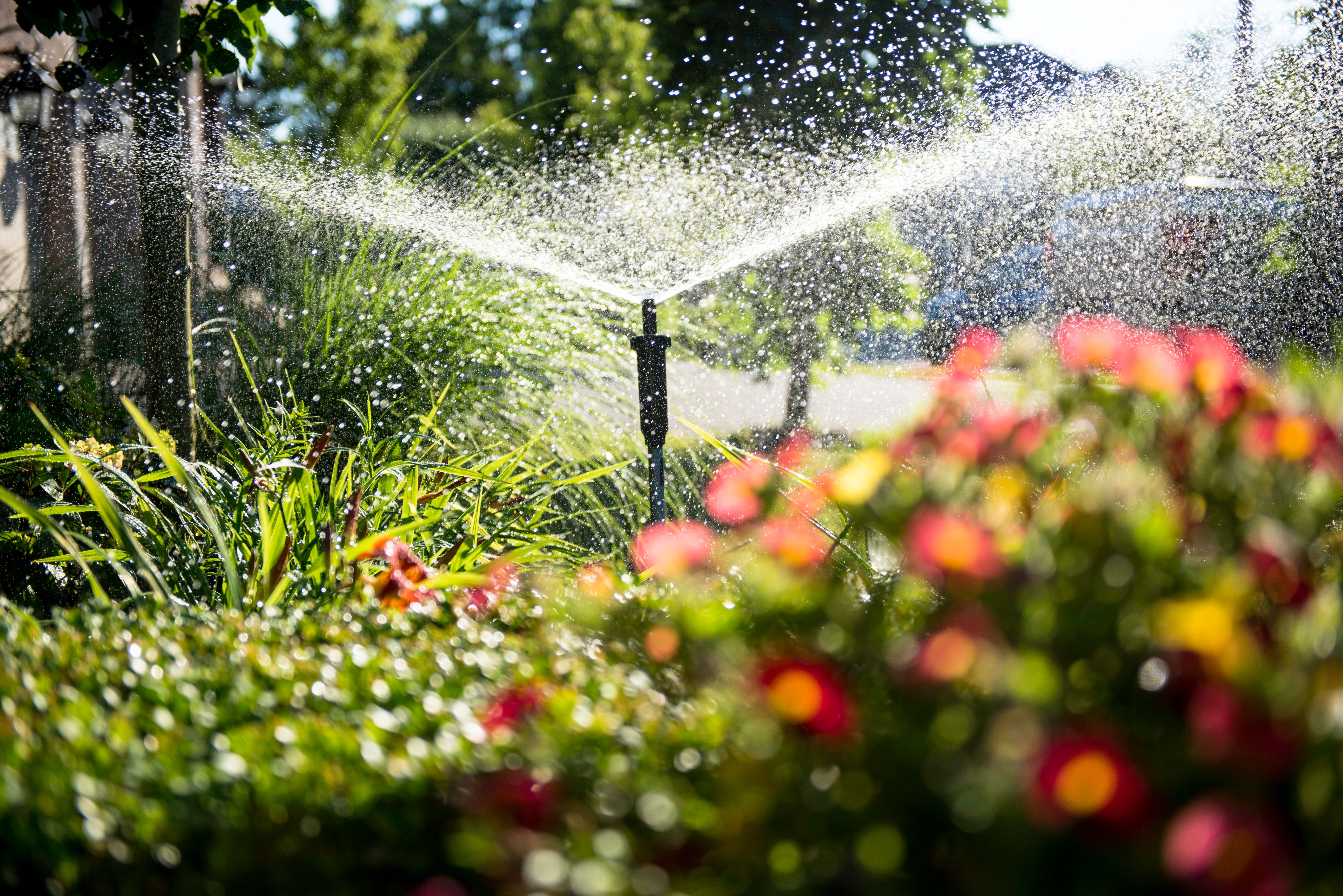
Proper watering is crucial for a lush lawn. Overwatering can lead to shallow roots, while underwatering causes stress. Aim to water deeply but infrequently, allowing the top few inches of soil to dry out between sessions.
Fertilizing for Growth
Nourishing your lawn with the right fertilizer ensures healthy growth and vibrant color. Choose a fertilizer based on your grass type and soil condition. Apply during the growing season and follow the instructions closely to avoid over-fertilization, which can harm your lawn.
Tackling Weeds and Pests
A healthy lawn is less susceptible to weeds and pests. Regularly inspect your lawn for signs of trouble and address issues promptly. For weed control, use a combination of pre-emergent herbicides and manual removal. Pests can be managed with natural or chemical treatments as needed.
Seasonal Lawn Care Tips
Your lawn's needs will change with the seasons. In spring, focus on aeration and fertilizing to rejuvenate after winter dormancy. Summer demands regular watering and mowing, while fall is perfect for overseeding and preparing for winter.
By following these DIY lawn care tips, even beginners can achieve a lush, green lawn that's the envy of the neighborhood. With patience and attention to detail, you'll soon see the fruits of your labor.