DIY Pressure Washing: Common Mistakes and How to Avoid Them


Understanding the Basics of Pressure Washing
Pressure washing is an effective way to clean various surfaces, from driveways to siding. However, diving into a DIY pressure washing project without understanding the basics can lead to costly mistakes. It’s essential to know the right techniques and equipment for your specific cleaning task.
Choosing the Wrong Equipment
One common mistake DIY enthusiasts make is selecting the wrong pressure washer for their needs. Pressure washers come in different types and power levels, and using one that's too powerful can damage surfaces, while one that's too weak may not clean effectively. Always consider the surface material and the degree of dirtiness before choosing your equipment.
Incorrect Pressure Selection
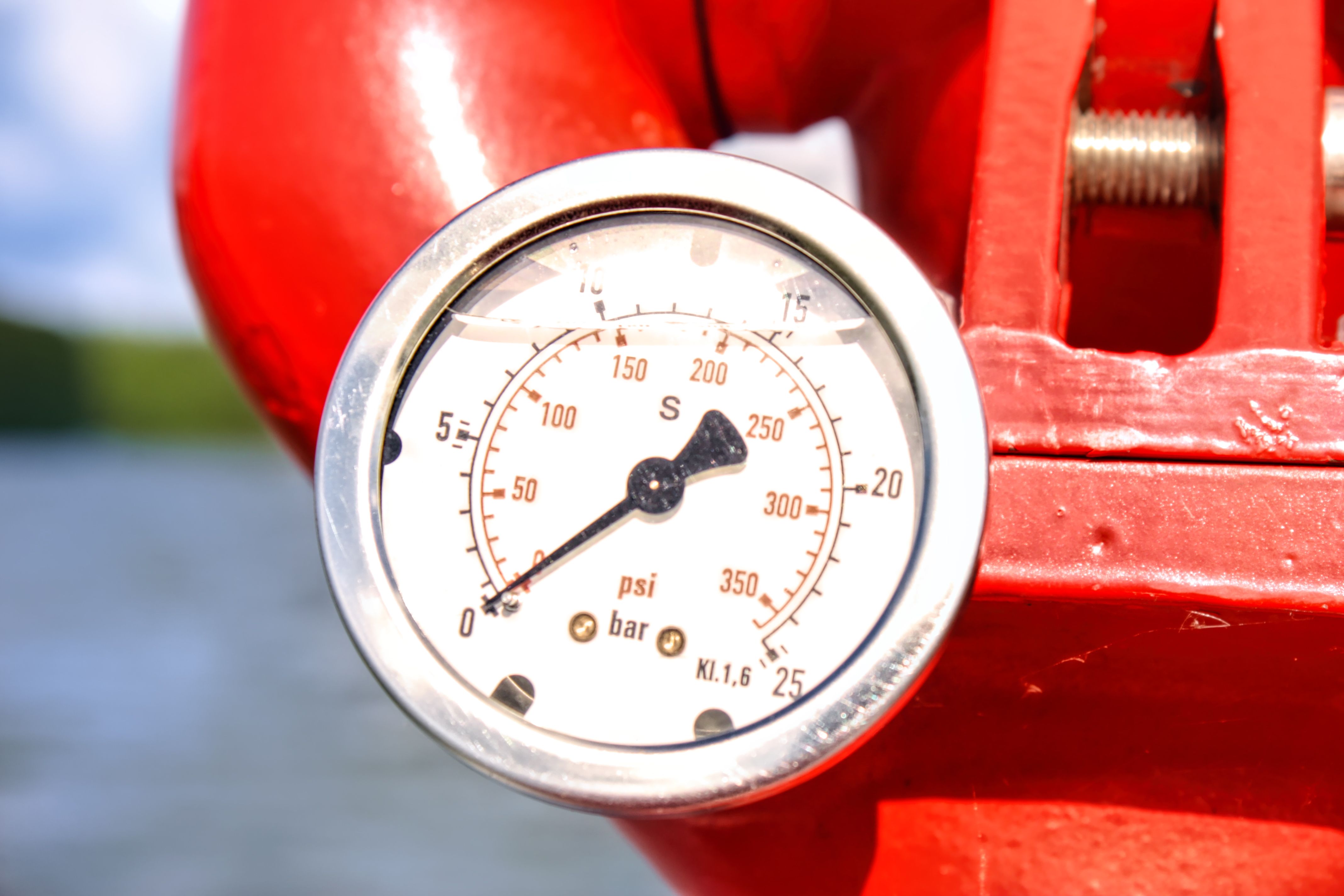
Setting the correct pressure is crucial. Using too much pressure can strip paint, etch concrete, or damage wood. Conversely, too little pressure might not remove dirt effectively. It's important to test a small area first to determine the optimal pressure setting. Start with a lower pressure and gradually increase it if necessary.
Using the Wrong Nozzle
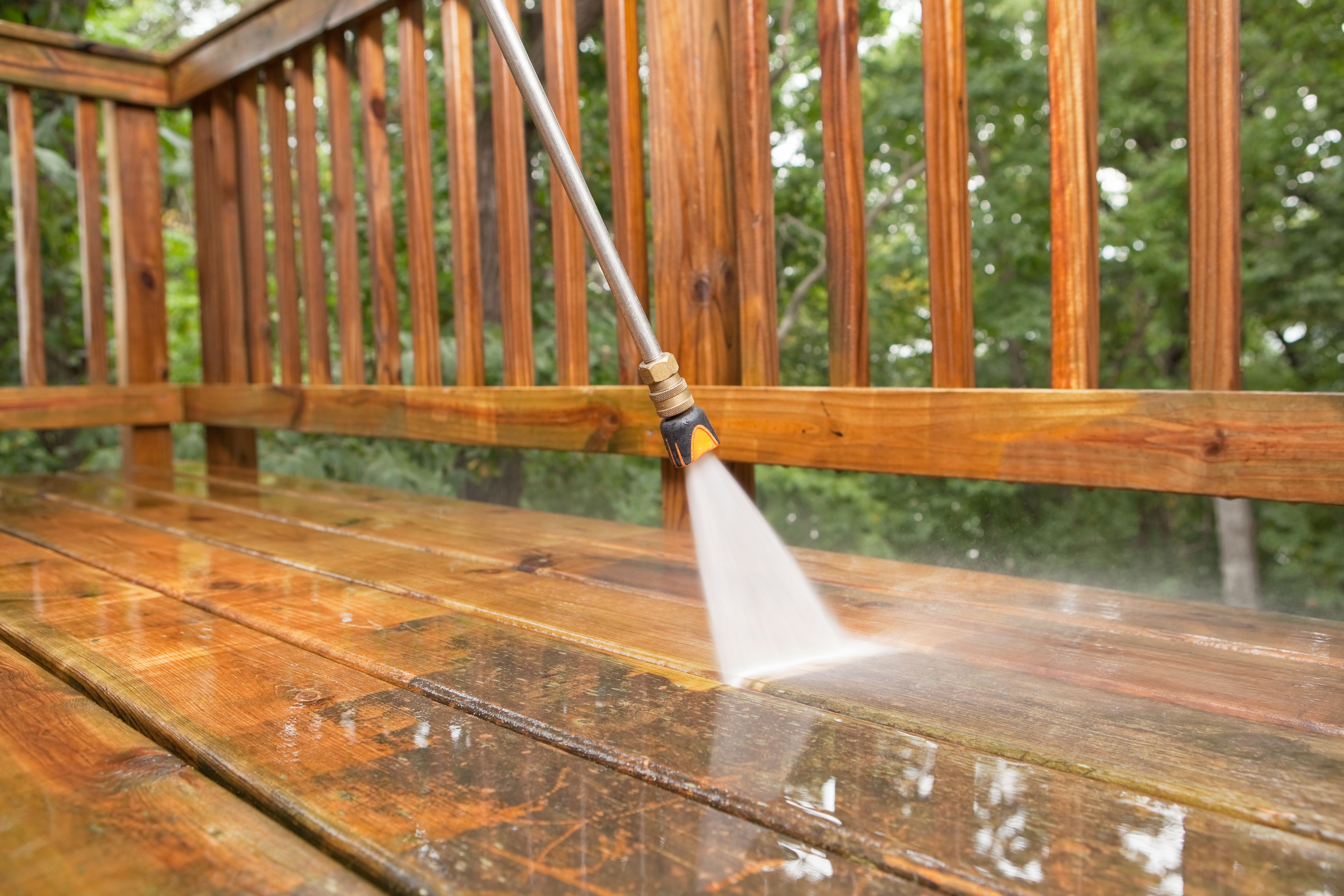
Nozzles control the spray pattern and intensity of the water jet. A common mistake is using an incorrect nozzle that either disperses water too widely or focuses it too narrowly, leading to surface damage. Most pressure washers come with multiple nozzles; refer to the manual to select the appropriate one for your task.
Ignoring Safety Precautions
Pressure washers are powerful tools that require careful handling. Ignoring safety precautions can lead to injuries or damage. Always wear protective gear, such as gloves and goggles, to protect yourself from debris and high-pressure spray. Additionally, be mindful of your surroundings to prevent accidents.
Not Preparing the Surface
Forgetting to prepare the surface is another common oversight. Before starting, clear the area of any obstacles, loose debris, or fragile items that could be damaged by water spray. Pre-soaking the surface can also help loosen dirt and grime, making the cleaning process more efficient.
Overlooking Proper Maintenance
After completing your pressure washing project, it's important not to neglect equipment maintenance. Properly storing your pressure washer and cleaning its components will extend its lifespan. Drain any remaining water and follow the manufacturer's instructions for upkeep and storage.
Conclusion
DIY pressure washing is a rewarding way to enhance your home's appearance, but it requires attention to detail and proper technique. By avoiding these common mistakes, you can achieve professional-looking results without compromising your surfaces or safety. Remember to research thoroughly, prepare adequately, and handle equipment responsibly for the best outcomes.