DIY Pressure Washing: What You Need to Know Before Getting Started


Pressure washing can be an effective way to clean various surfaces around your home, from driveways to decks. However, diving into a DIY pressure washing project requires some preparation and knowledge to ensure both safety and effectiveness. This guide will walk you through the essentials you need to know before getting started.
Understanding Pressure Washers
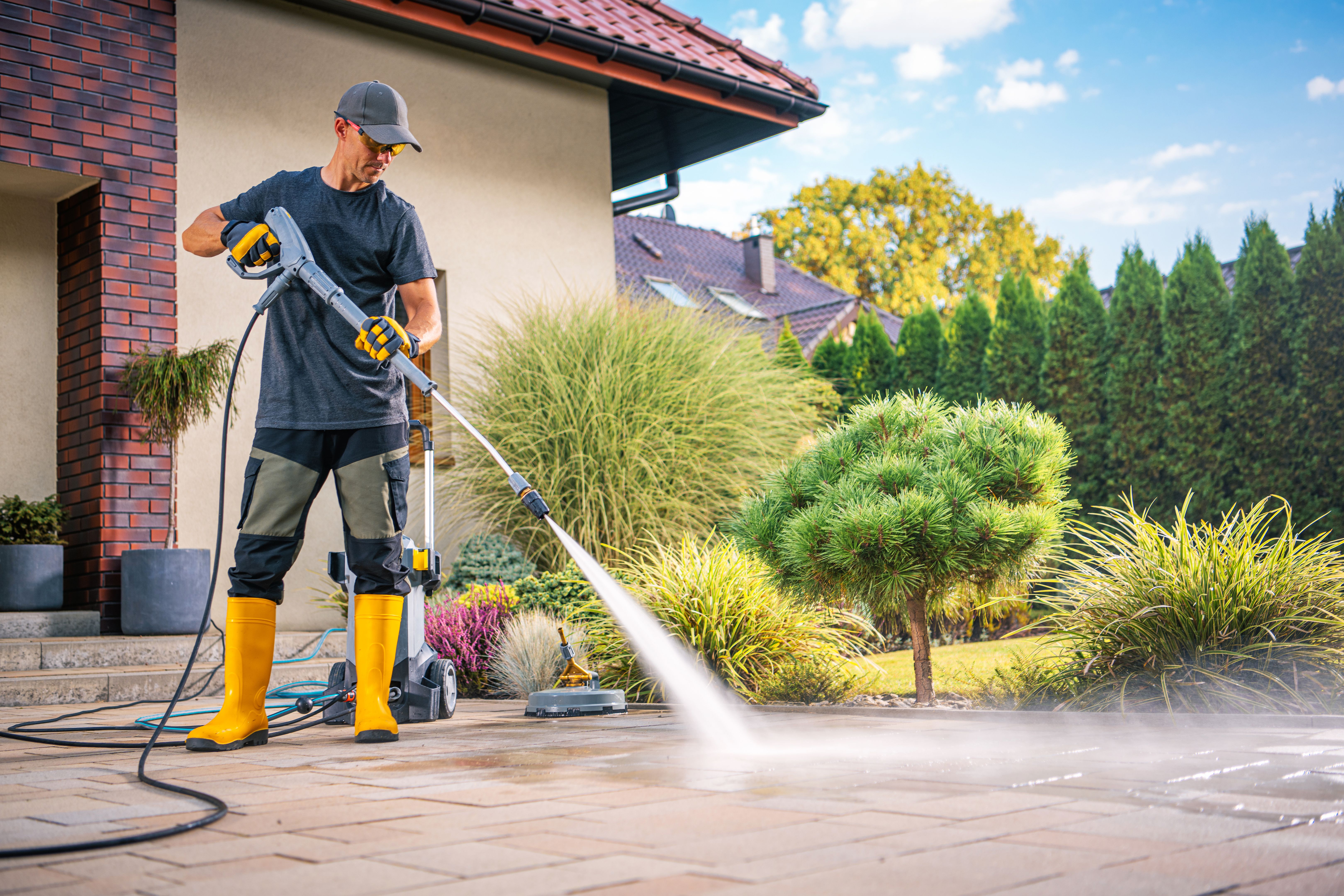
Before using a pressure washer, it’s crucial to understand how it works. A pressure washer uses a motor to drive water at high pressure through a nozzle, which can be adjusted to control the spray pattern and force. There are electric and gas-powered models available, each with its own advantages.
Electric pressure washers are generally more affordable and suitable for small to medium jobs. Gas-powered models, on the other hand, offer more power and are better for larger or more demanding tasks. Choose the right type based on your specific needs.
Key Features to Consider
When selecting a pressure washer, consider the following features:
- PSI (Pounds per Square Inch): Indicates the pressure level. Higher PSI means more cleaning power.
- GPM (Gallons per Minute): Measures the water flow. A higher GPM cleans faster.
- Nozzle Tips: Different tips provide varying spray angles for different cleaning tasks.
Safety Precautions
Pressure washers can be dangerous if not used correctly. Always wear protective gear, including gloves and safety goggles, to protect yourself from flying debris and high-pressure water. Be cautious of the power, as the strong spray can cause injury or damage surfaces.
Ensure you’re operating the pressure washer in a safe environment. Keep children and pets away from the area you’re cleaning, and be mindful of electrical outlets and wiring when using water.
Preparing for the Job
Before you begin, it’s important to prepare both the area you’ll be cleaning and the pressure washer itself. Remove loose objects and debris from the surface to prevent them from being thrown by the force of the water. Check that all connections are secure and that the machine is in good working order.
Effective Cleaning Techniques
Start with the least aggressive nozzle tip to avoid damaging surfaces. Hold the spray wand at a consistent distance from the surface, typically about 6 to 12 inches, and use a sweeping motion. For stubborn stains, you may need to apply detergent or cleaning solutions designed for pressure washers.
Work in sections, and be patient. Rushing can result in uneven cleaning or overlooked spots. Rinse thoroughly to remove soap and debris.
Post-Cleaning Maintenance
After completing your pressure washing task, take the time to maintain your equipment. Turn off the machine and disconnect the hoses. Drain any remaining water to prevent damage from freezing or stale water. Store the pressure washer in a dry, safe place.
Regular maintenance ensures your pressure washer remains in good condition and ready for future projects. Check for any wear or damage periodically, and replace parts as needed.
Conclusion
DIY pressure washing can be a rewarding project that enhances your home’s appearance. By understanding the equipment, prioritizing safety, and applying the right techniques, you can achieve impressive results while maintaining safety and efficiency. Happy cleaning!