DIY Pressure Washing: What You Need to Know Before You Start


Understanding the Basics of Pressure Washing
Pressure washing is a powerful cleaning method that can remove dirt, grime, and mildew from various surfaces around your home. It's an effective way to restore the appearance of decks, driveways, patios, and more. Before you dive into this DIY project, it's crucial to understand the basics to avoid any potential damage.
A pressure washer uses high-pressure water spray to clean surfaces. The pressure is measured in pounds per square inch (PSI) and the water flow in gallons per minute (GPM). Choosing the right combination of PSI and GPM is essential for effective cleaning while ensuring the safety of the surfaces you're working on.
Choosing the Right Equipment
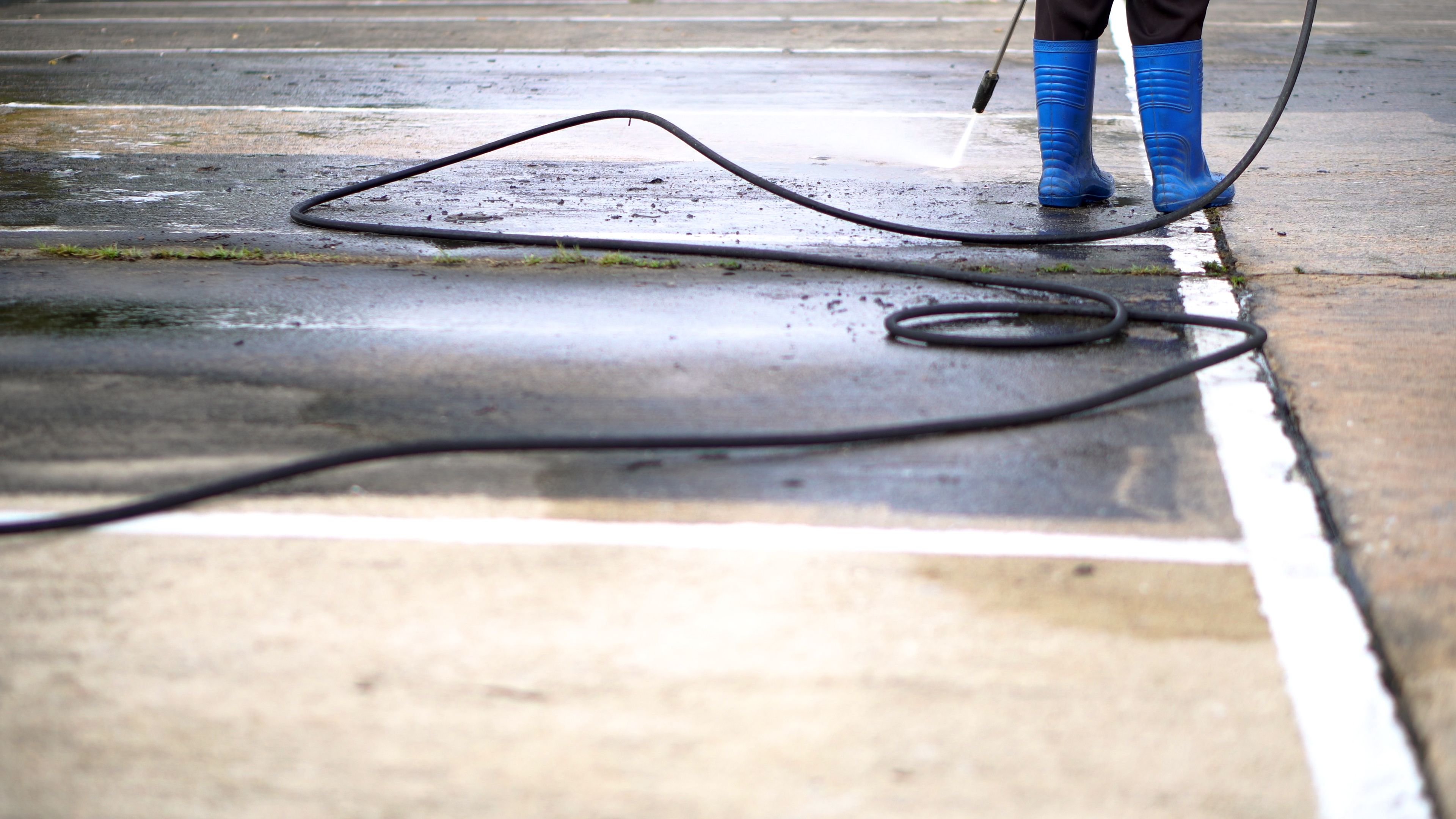
The first step in your pressure washing journey is selecting the appropriate equipment. Pressure washers are available in electric and gas-powered models. Electric models are generally less powerful but suitable for smaller jobs and easier to handle. Gas-powered models offer more power, making them ideal for larger areas or tougher grime.
Consider the surfaces you plan to clean. For example, delicate surfaces like wood decks require a lower PSI to prevent damage, while concrete driveways can handle higher pressures. Investing in a machine with adjustable pressure settings can provide more flexibility for different tasks.
Safety Precautions
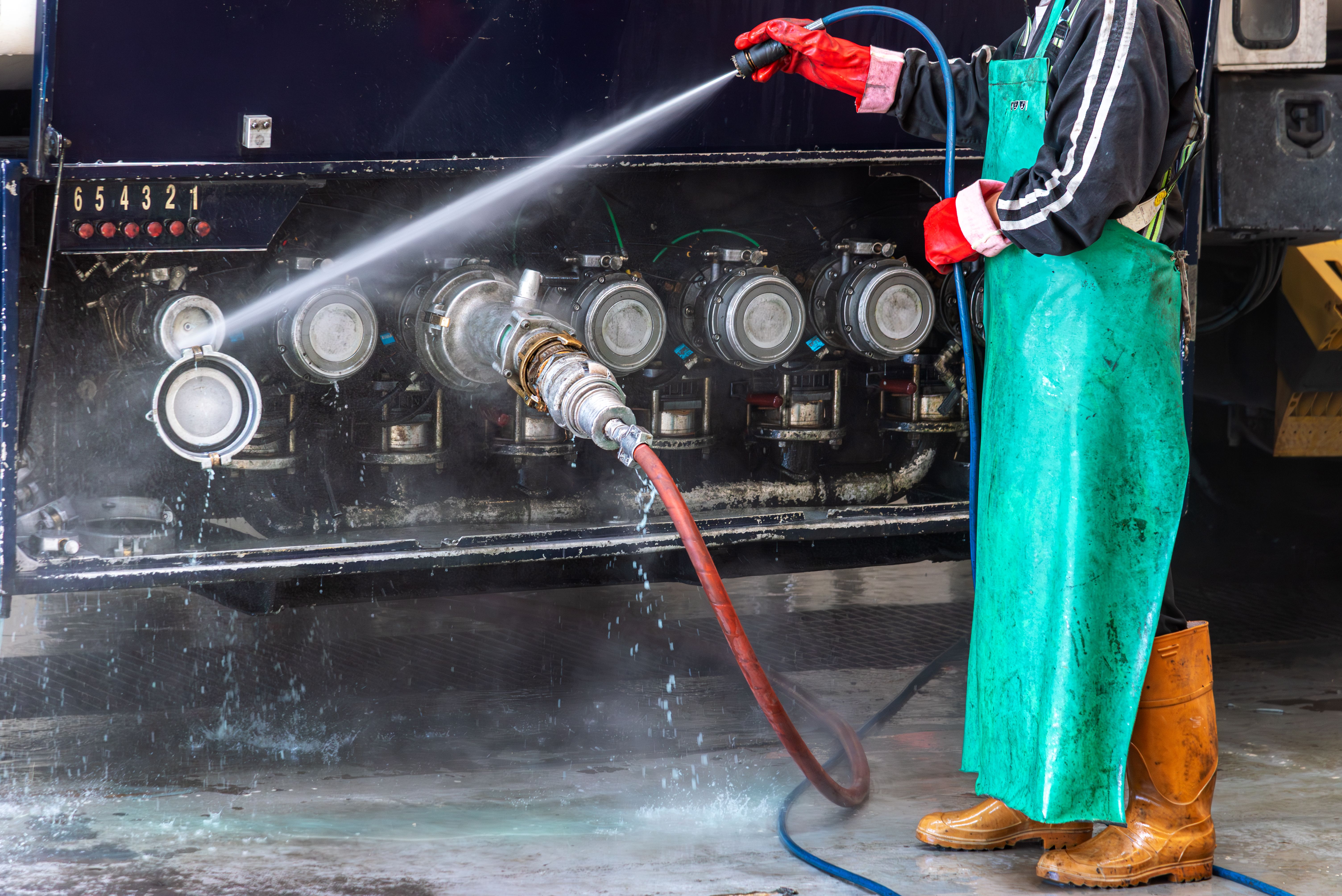
Pressure washing can be dangerous if not done correctly. Always wear safety goggles, gloves, and sturdy footwear to protect yourself from flying debris and the high-pressure spray. Be aware of your surroundings and ensure pets and children are at a safe distance while you're working.
It's also important to read the manufacturer's instructions carefully before operating the machine. Familiarize yourself with the controls and test the washer on a small, inconspicuous area to determine the right pressure setting before starting on larger surfaces.
Preparing Your Surfaces
Before you begin pressure washing, take some time to prepare the surfaces. Remove any obstacles like outdoor furniture or potted plants from the area. Sweep away loose debris, such as leaves or dirt, to prevent them from becoming airborne during cleaning.
For particularly stubborn stains or mildew, consider using a specialized detergent or cleaner designed for pressure washers. Apply it according to the instructions and let it soak for a few minutes before proceeding with the wash. This will help break down tough grime and make your job easier.
Techniques for Effective Cleaning
When pressure washing, always start with a wide spray pattern and keep the nozzle at a safe distance from the surface. Gradually move closer as needed. Overly narrow spray patterns or getting too close can damage the material you're cleaning.
- Begin at the top of vertical surfaces and work your way down to prevent streaks.
- Use smooth, overlapping strokes for even cleaning.
- Be cautious around windows, vents, and electrical outlets to avoid water damage.
Post-Washing Care
After finishing your pressure washing project, take care of your equipment by properly shutting it down and draining any remaining water. Store it in a dry place to prevent rust and other damage.
Inspect the cleaned surfaces for any missed spots and touch up as necessary. Allow ample time for everything to dry before returning outdoor furniture or other items to their original places.
When to Call a Professional
While DIY pressure washing can be a satisfying task, there are instances where hiring a professional might be beneficial. For large projects or when dealing with delicate surfaces that require precise handling, professionals have the expertise and tools necessary to ensure a thorough yet safe cleaning process.
By understanding these key points before starting your pressure washing project, you can achieve impressive results while maintaining the integrity of your home's exterior surfaces.