DIY Tips for a Lush Lawn: From Lawn Installs to Maintenance


Creating the Perfect Lawn: A Step-by-Step Guide
A lush, green lawn can transform your outdoor space, offering a serene and inviting environment. Whether you're installing a new lawn or maintaining an existing one, following some DIY tips can make the process seamless and effective. Let’s dive into how you can achieve that perfect lawn.
Choosing the Right Grass
The first step to a beautiful lawn is selecting the right type of grass for your climate and soil. Some popular choices include Bermuda, Fescue, and Kentucky Bluegrass. Consider factors such as sun exposure, water availability, and foot traffic when making your decision. A well-chosen grass type will ensure that your lawn remains healthy and vibrant year-round.
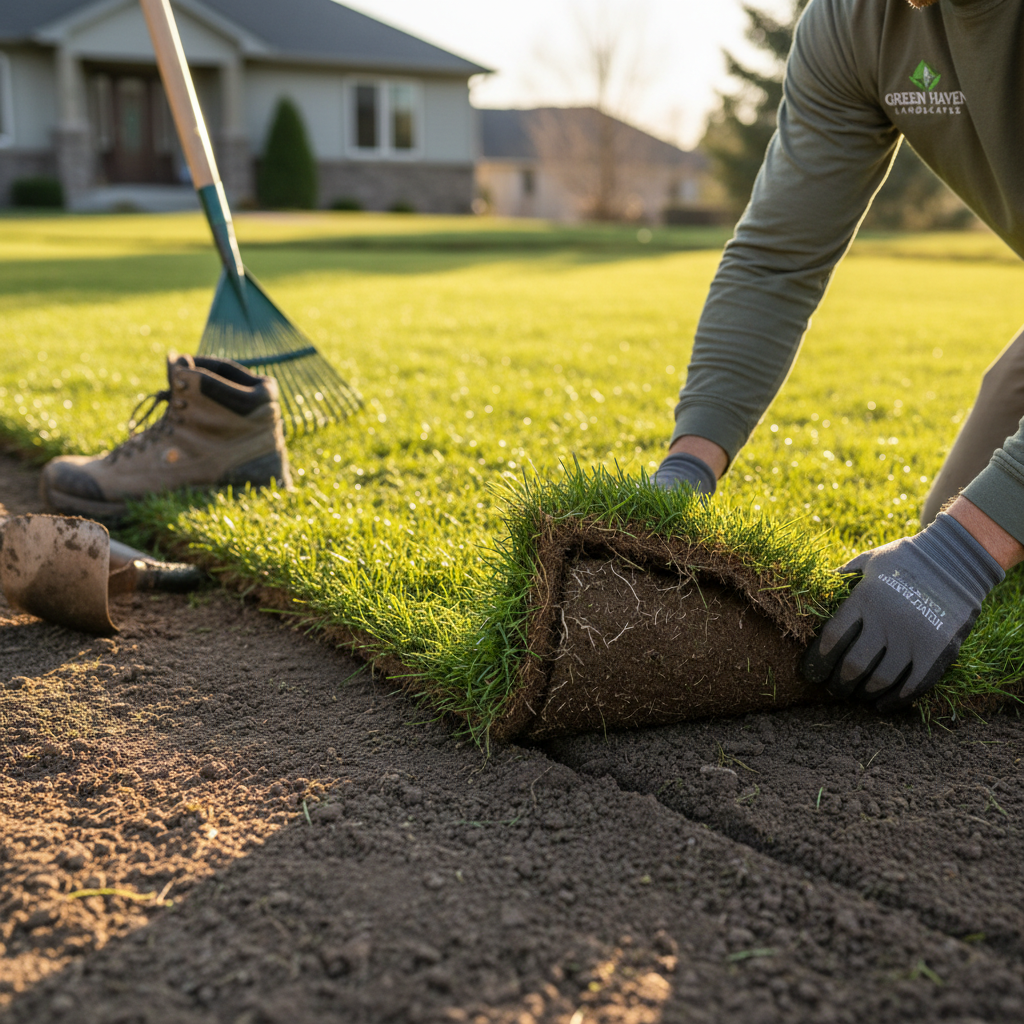
Once you've selected the right grass, decide whether to use seeds, sod, or plugs. Each method has its benefits, with seeds being cost-effective and sod providing an instant lawn. Your choice will depend on your timeline and budget.
Preparing the Soil
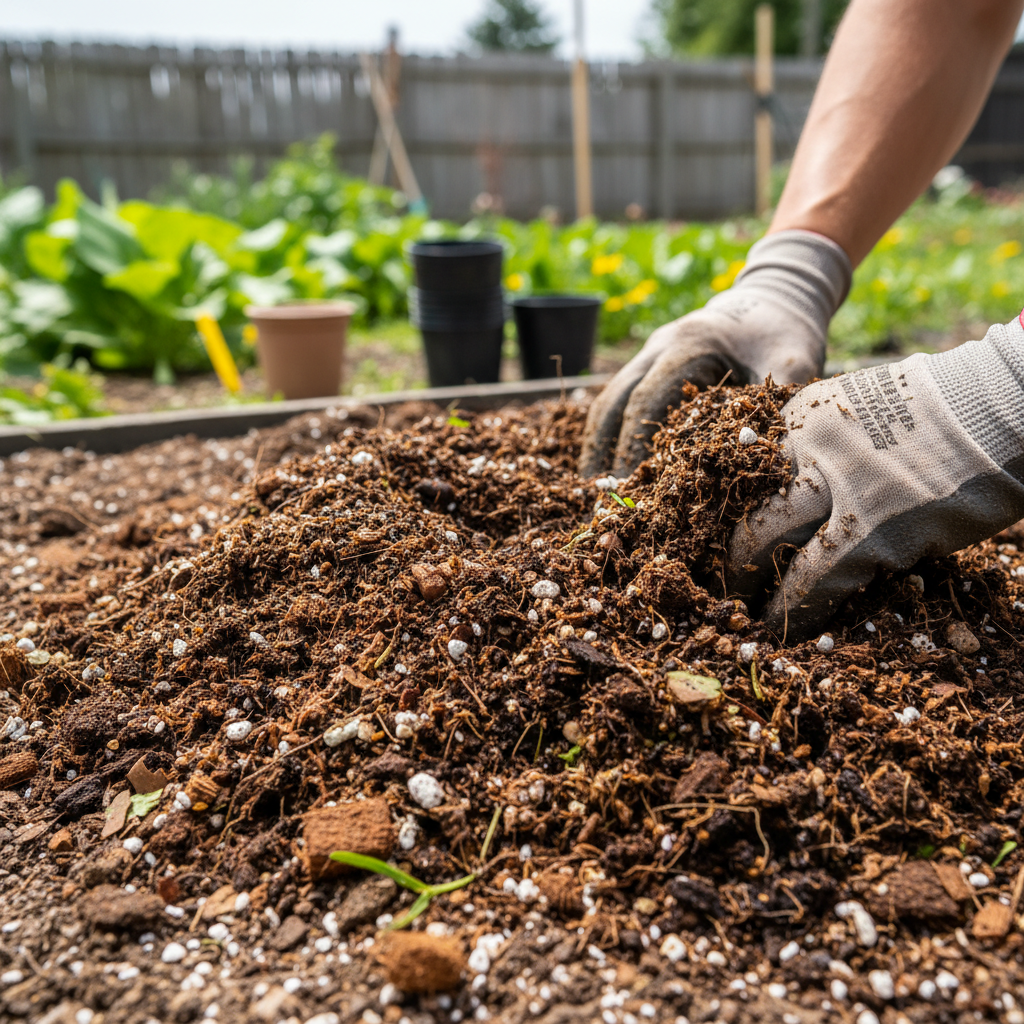
Proper soil preparation is crucial for successful lawn installation. Begin by removing any weeds, rocks, and debris from the area. Then, test the soil's pH level and nutrient content. Amend the soil as needed to create an ideal growing environment. Adding compost or organic matter can significantly improve soil fertility and structure.
Level the area to ensure smoothness and even water distribution. Use a rake or a lawn roller to achieve a uniform surface. This step is essential to prevent water pooling and uneven grass growth.
Installation Techniques
For seed installation, evenly distribute the seeds using a spreader, and lightly rake them into the soil. Water the area gently but thoroughly to encourage germination. If you choose sod, lay the pieces tightly together, staggering the joints like bricks. Water immediately after installation to help the roots establish.

Plugs should be spaced according to the specific grass type, usually around six to twelve inches apart. Water thoroughly after planting to help them settle into the soil.
Ongoing Lawn Maintenance
Once your lawn is installed, consistent maintenance is key to keeping it lush. Regular watering is essential, particularly in the early morning or late afternoon to minimize evaporation. Most lawns require about one inch of water per week, either from rainfall or irrigation.
Mowing should be done regularly, but avoid cutting more than one-third of the grass height at once. This practice helps maintain healthy growth and prevents stress on the grass. Sharpen mower blades frequently for clean cuts.
Fertilization and Weed Control
Fertilizing your lawn provides essential nutrients that promote growth and resilience. Choose a fertilizer that matches your grass type and apply it according to the recommended schedule. Typically, this involves feeding in the spring and fall.
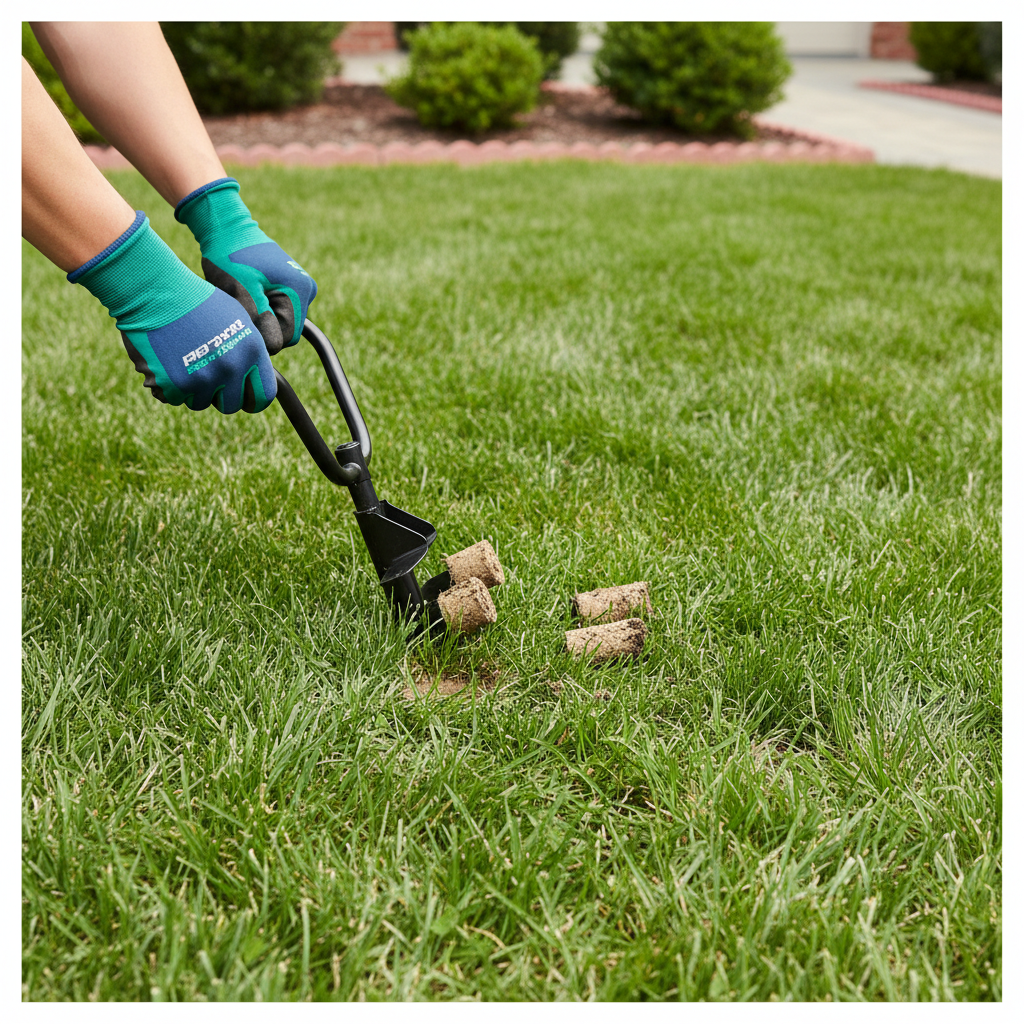
Control weeds by maintaining a thick, healthy lawn that naturally suppresses them. For persistent weeds, spot-treat with a suitable herbicide, following all safety instructions. Regular lawn aeration can also help prevent thatch buildup and improve root penetration.
With these DIY tips, you can enjoy a lush, green lawn that enhances your home's curb appeal and provides a perfect setting for outdoor activities. Happy gardening!