Expert Lawn Care Tips for a Lush, Green Lawn


Understanding Your Lawn's Needs
Creating a lush, green lawn begins with understanding its specific needs. Different grass types require different care, so identifying the grass species in your yard is crucial. Common types include Kentucky Bluegrass, Bermuda, and Fescue. Once identified, tailor your care routine to match the grass's preferences for sunlight, water, and soil type.
Soil health is equally important. Conducting a soil test will reveal the pH level and nutrient content, allowing you to address deficiencies. A balanced soil fosters a stronger root system, which is key to a vibrant lawn.
Effective Watering Techniques
Watering is an essential aspect of lawn care, but overwatering can be as damaging as underwatering. Lawns generally need about one inch of water per week, including rainfall. The best time to water is early in the morning when temperatures are cooler, reducing evaporation and allowing grass to absorb moisture effectively.
To determine if your lawn needs water, look for signs like wilting or a bluish-gray tint. Consider using a rain gauge or a moisture sensor to monitor soil moisture levels accurately.
Mowing for Health and Aesthetics
Mowing is more than just about keeping your lawn looking tidy. It plays a significant role in its health. Set your mower blade to the proper height based on your grass type. Cutting too short can stress the grass and make it vulnerable to weeds and pests.
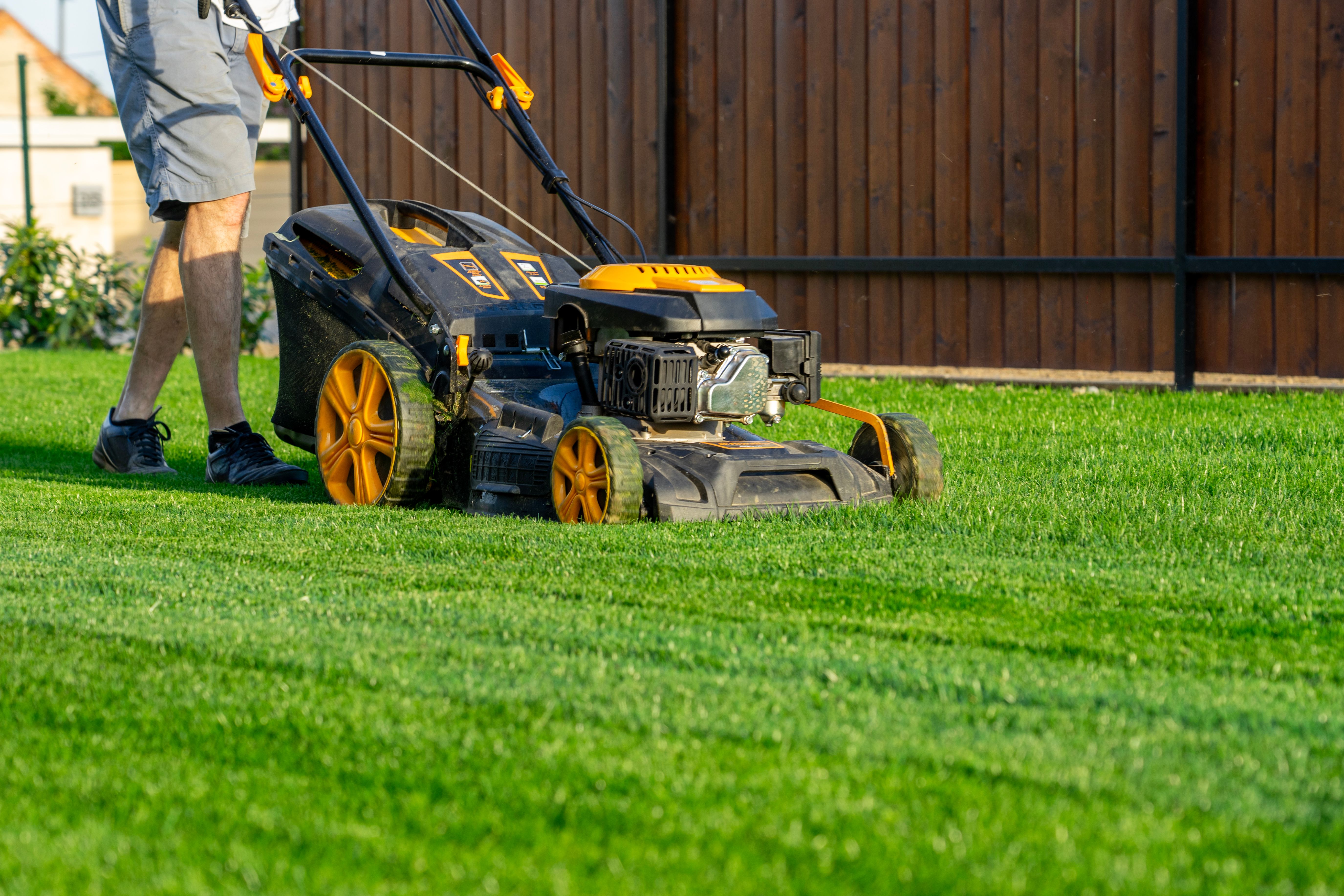
Regular mowing encourages dense growth, which helps crowd out weeds. It's also important to keep your mower blades sharp to ensure clean cuts that promote healthy regrowth.
Feeding Your Lawn
Fertilizing provides essential nutrients that might be lacking in the soil. Choose a fertilizer that complements your lawn’s needs based on the results of your soil test. Most lawns benefit from fertilization in the spring and fall, but again, it depends on your grass type.
Organic fertilizers are an excellent choice for those looking to reduce chemical use. They improve soil structure and increase microbial activity.
Controlling Weeds and Pests
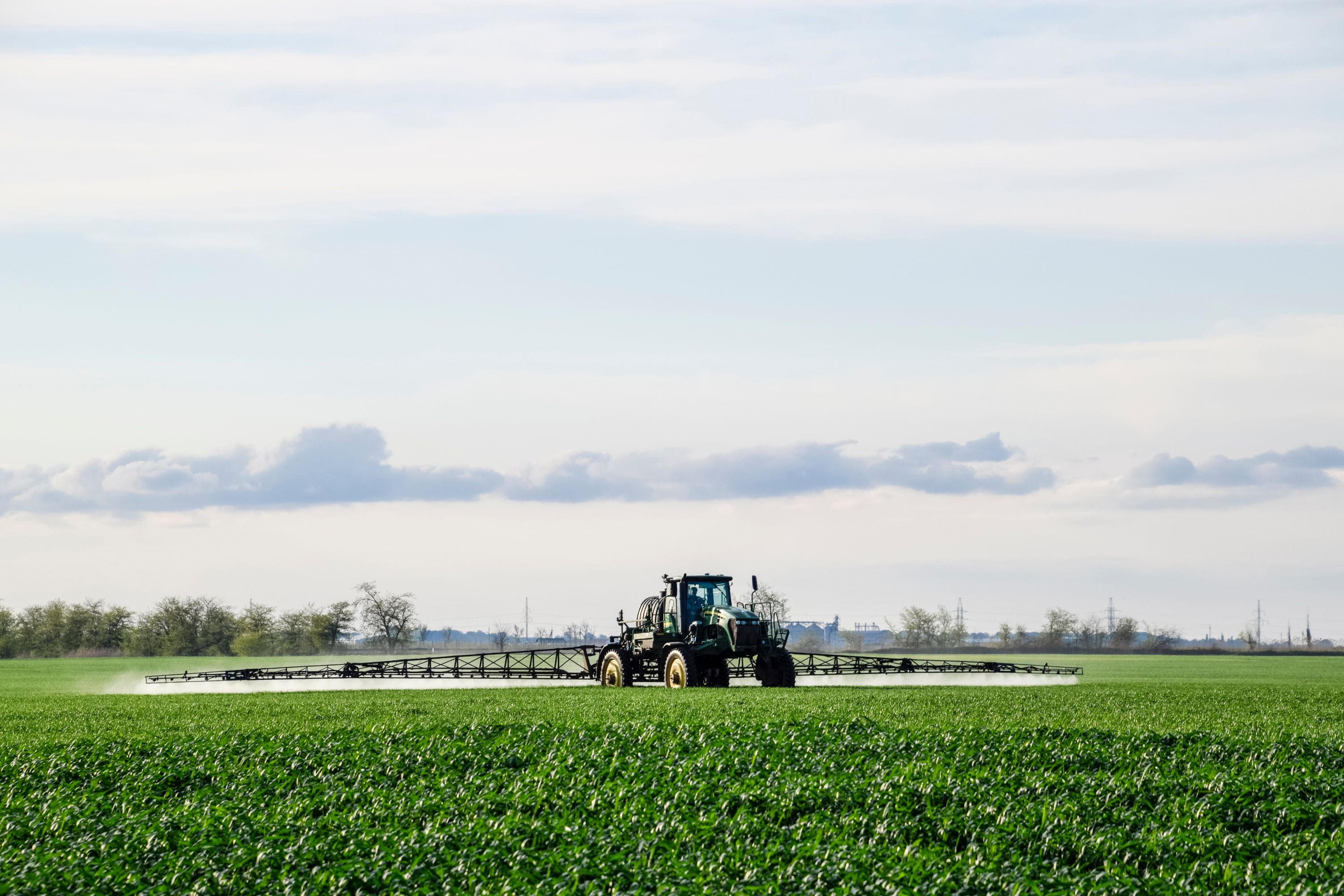
Weeds and pests can quickly turn a healthy lawn into a battleground. Regular monitoring and early intervention are key to keeping them at bay. Hand-pulling weeds is effective for small infestations, while pre-emergent herbicides can prevent weed seeds from germinating.
For pest control, consider using natural predators like ladybugs or beneficial nematodes. Chemical pesticides should be a last resort due to their potential environmental impact.
Aeration and Dethatching
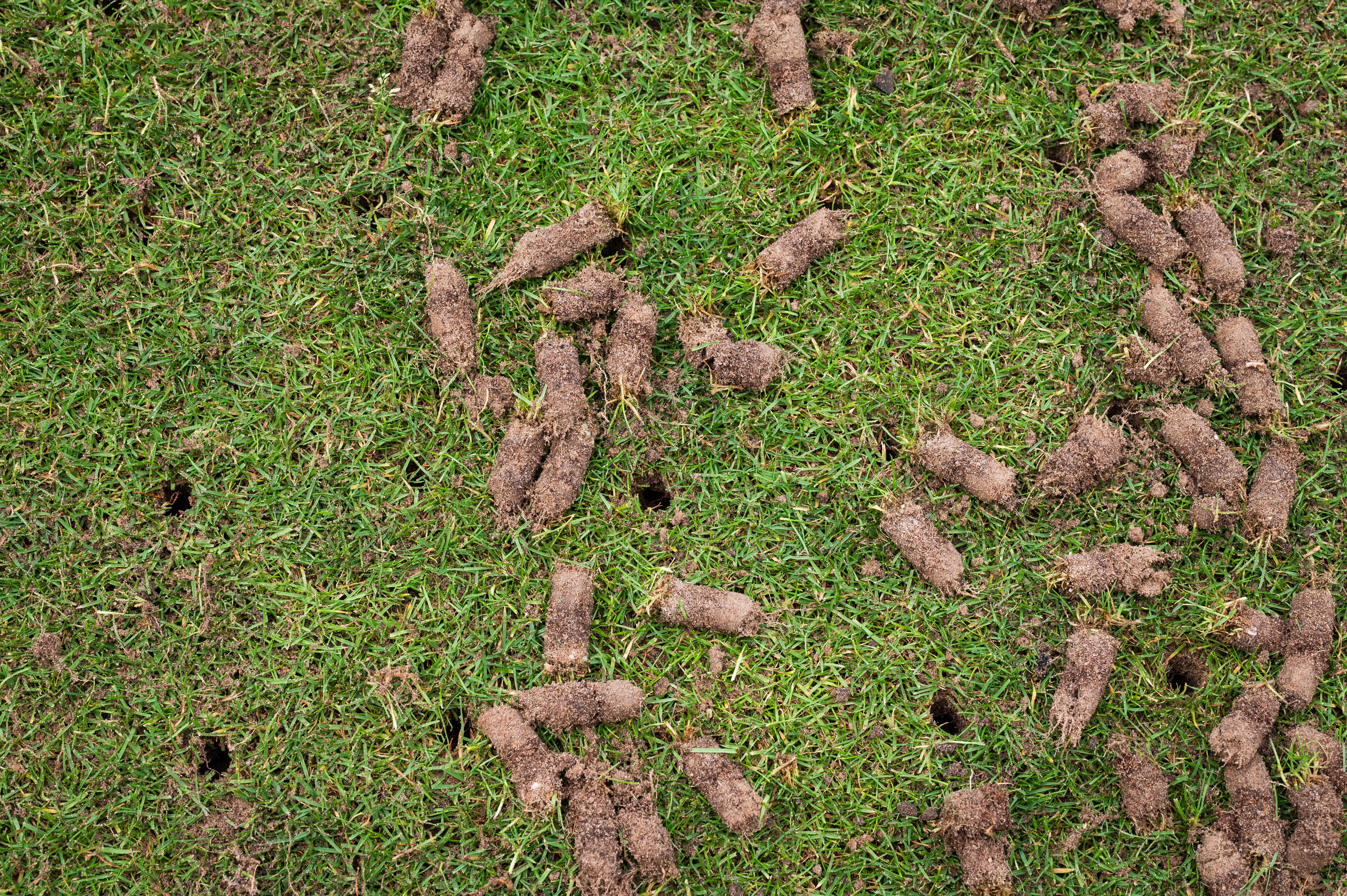
Aeration involves perforating the soil with small holes to allow air, water, and nutrients to penetrate the grass roots. This process helps alleviate soil compaction and promotes healthier roots.
Dethatching removes the layer of dead grass and organic matter that can suffocate your lawn. Both processes are typically done in the spring or fall when the grass is actively growing.
Seasonal Adjustments
Your lawn's needs will vary with the seasons. In summer, focus on adequate watering and watch for heat stress signs. Fall is an excellent time for aeration and fertilization as the grass prepares for dormancy.
During winter, protect your lawn by minimizing foot traffic on frozen grass and applying mulch if necessary to insulate roots against freezing temperatures.
Conclusion
A lush, green lawn is achievable with consistent care tailored to its specific needs. By understanding your lawn's requirements and implementing these expert tips, you'll enjoy a vibrant outdoor space that enhances the beauty of your home.