Expert Tips for Installing Flower Beds: A Step-by-Step Guide


Planning Your Flower Bed
Creating a beautiful flower bed starts with careful planning. Begin by choosing a location that receives adequate sunlight and suits the types of flowers you want to plant. Consider the soil quality, drainage, and proximity to other plants.
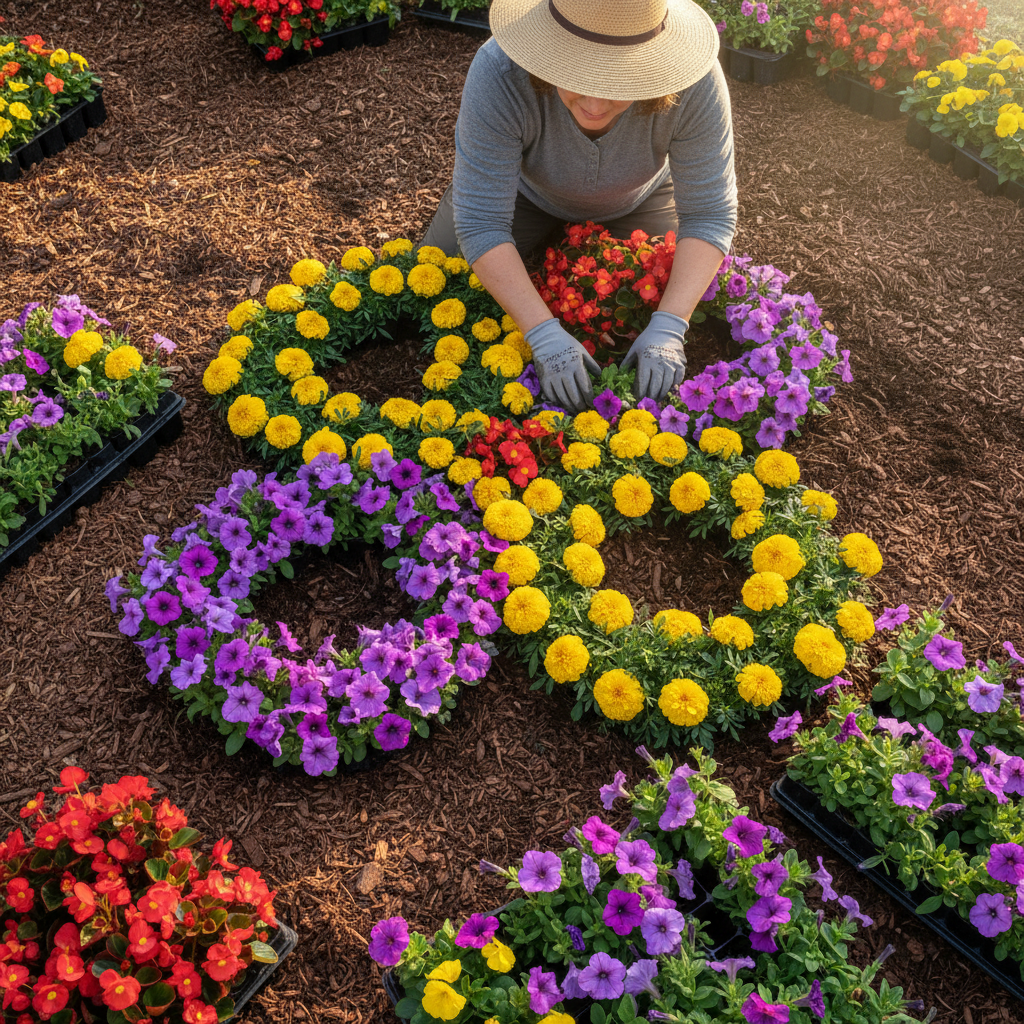
Once you've selected the location, sketch a rough design of your flower bed. This will help you visualize the layout and ensure that you have enough space for all your plants. Consider incorporating a mix of colors, textures, and heights to create visual interest.
Selecting the Right Flowers
Choosing the right flowers is crucial for a thriving flower bed. Consider the climate and season when selecting your plants. Opt for a combination of perennials and annuals to ensure year-round blooms. Pay attention to the mature size of each plant to avoid overcrowding.
Preparing the Ground
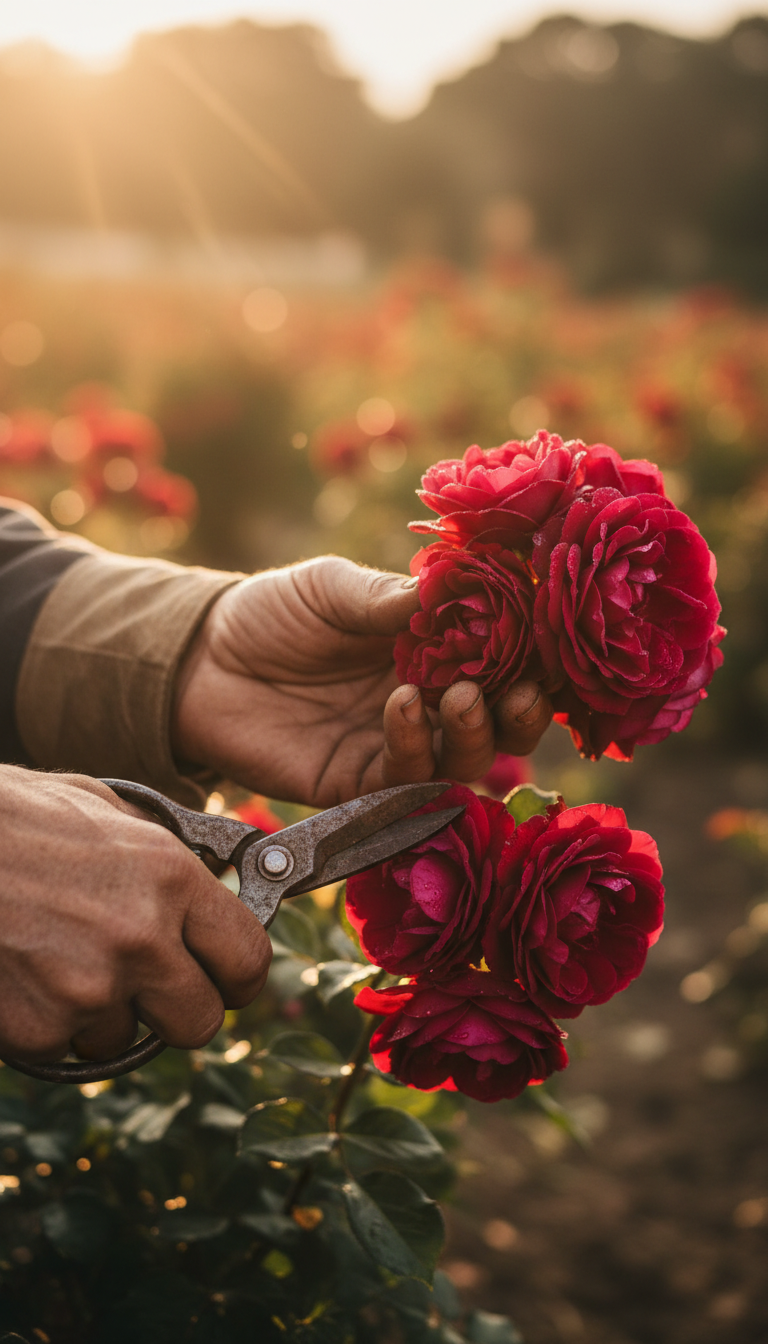
Before planting, it's essential to prepare the soil. Start by clearing the area of weeds, rocks, and debris. Loosen the soil with a garden fork or tiller to improve aeration and drainage. Adding organic matter like compost can enrich the soil, providing nutrients for your flowers.
Test the soil pH and adjust if necessary. Most flowers prefer slightly acidic to neutral soil. If needed, amend the soil with lime or sulfur to achieve the desired pH level.
Planting Your Flowers
When planting, follow the specific instructions for each type of flower. Generally, you'll want to dig a hole twice as wide and as deep as the root ball. Space the plants according to their mature size to allow for growth and airflow.
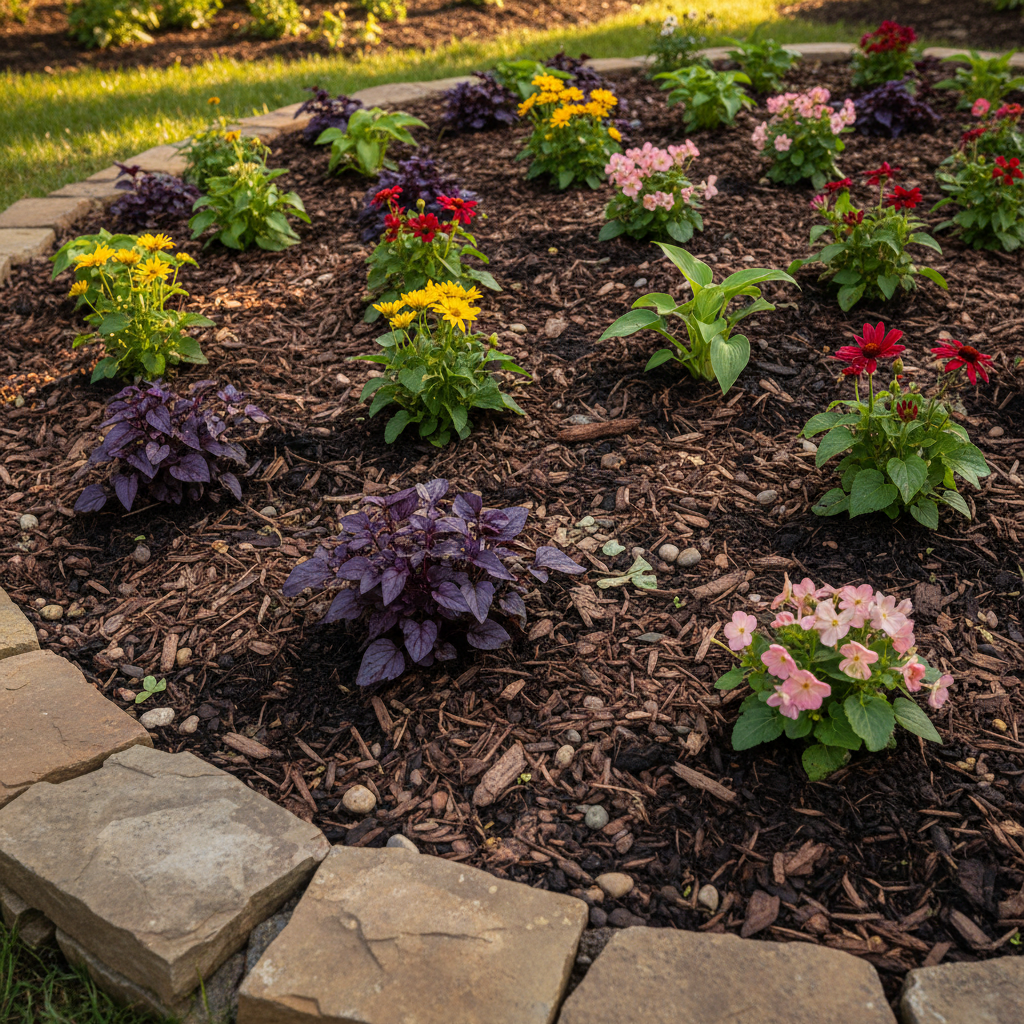
Water the plants thoroughly after planting to help them settle. Adding a layer of mulch can help retain moisture and suppress weeds.
Maintaining Your Flower Bed
Regular maintenance is key to a thriving flower bed. Water the plants consistently, especially during dry spells. Be mindful not to overwater, as this can lead to root rot.
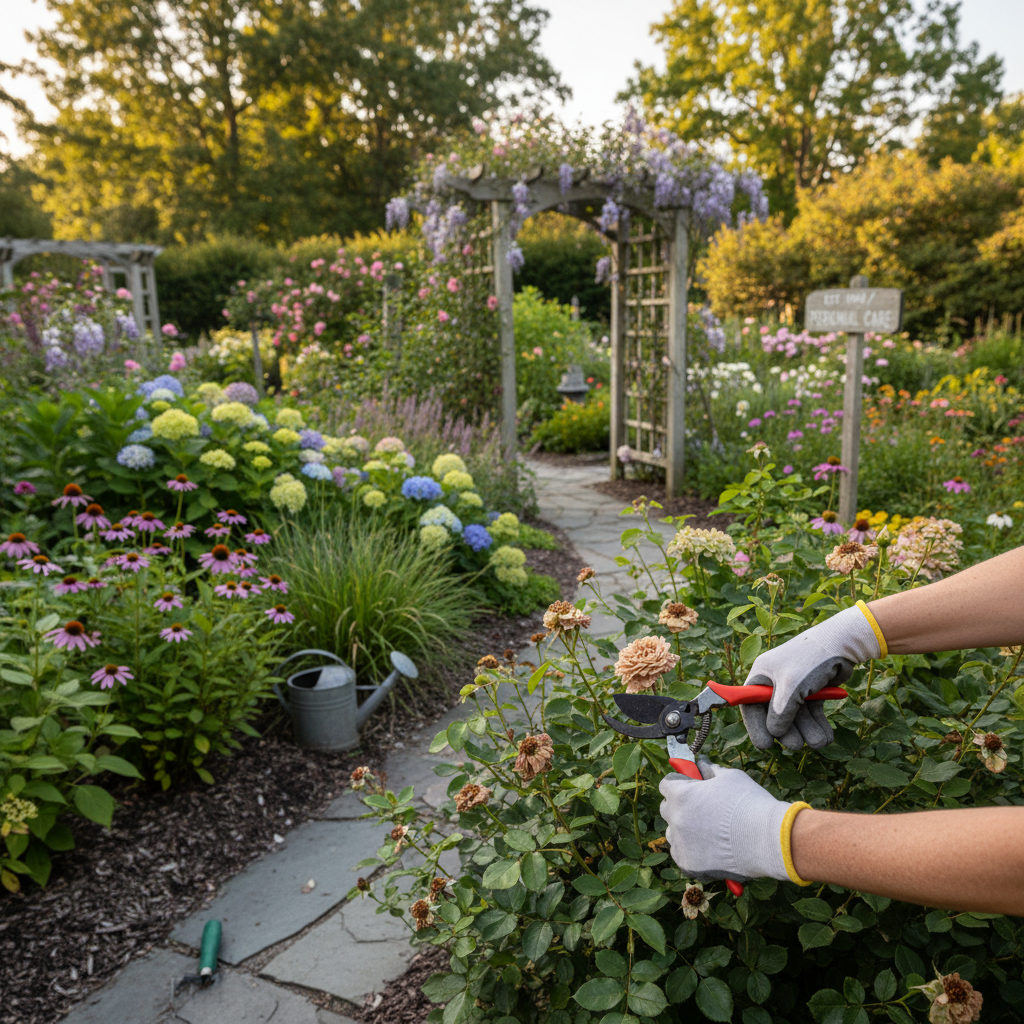
Deadhead spent blooms to encourage new growth and maintain a tidy appearance. Fertilize periodically with a balanced fertilizer to provide essential nutrients.
Dealing with Pests and Diseases
Keep an eye out for any signs of pests or diseases. Use natural or chemical treatments as needed, but always follow the instructions carefully. Encouraging beneficial insects like ladybugs can help control pest populations naturally.
By following these expert tips and dedicating some time to regular care, your flower bed can become a vibrant and rewarding addition to your garden.