Expert Tips for Installing Flower Beds Like a Pro


Planning Your Flower Bed
Before you start digging, it's crucial to plan your flower bed layout. Consider the location, size, and shape of the bed. Choose a spot that receives the right amount of sunlight for the types of flowers you plan to plant. Ensure that the soil drains well to prevent waterlogging, which can harm plants.
Selecting the Right Flowers
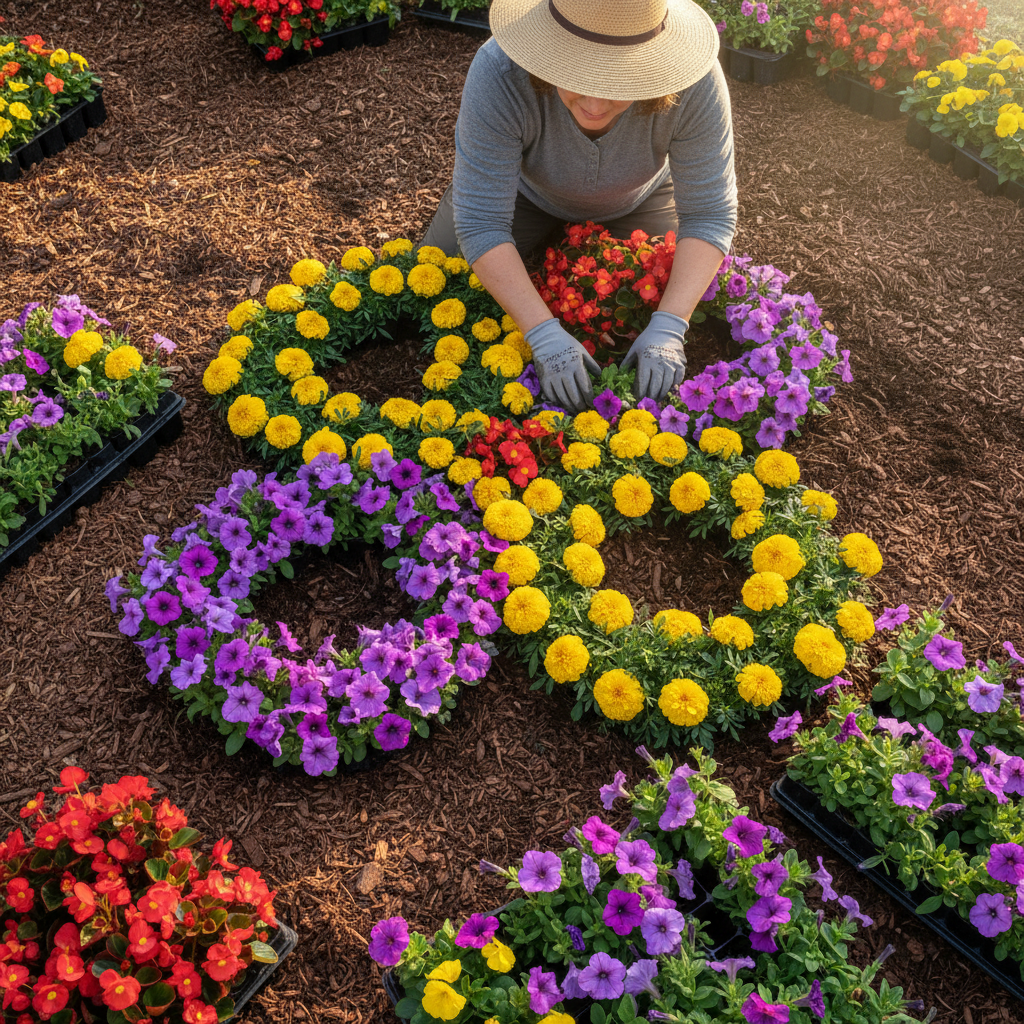
Choosing the right flowers involves considering factors such as climate, soil type, and sunlight exposure. Opt for a mix of perennials and annuals to ensure year-round blooms. It's also wise to group plants with similar water and sunlight needs to make maintenance easier.
Preparing the Soil
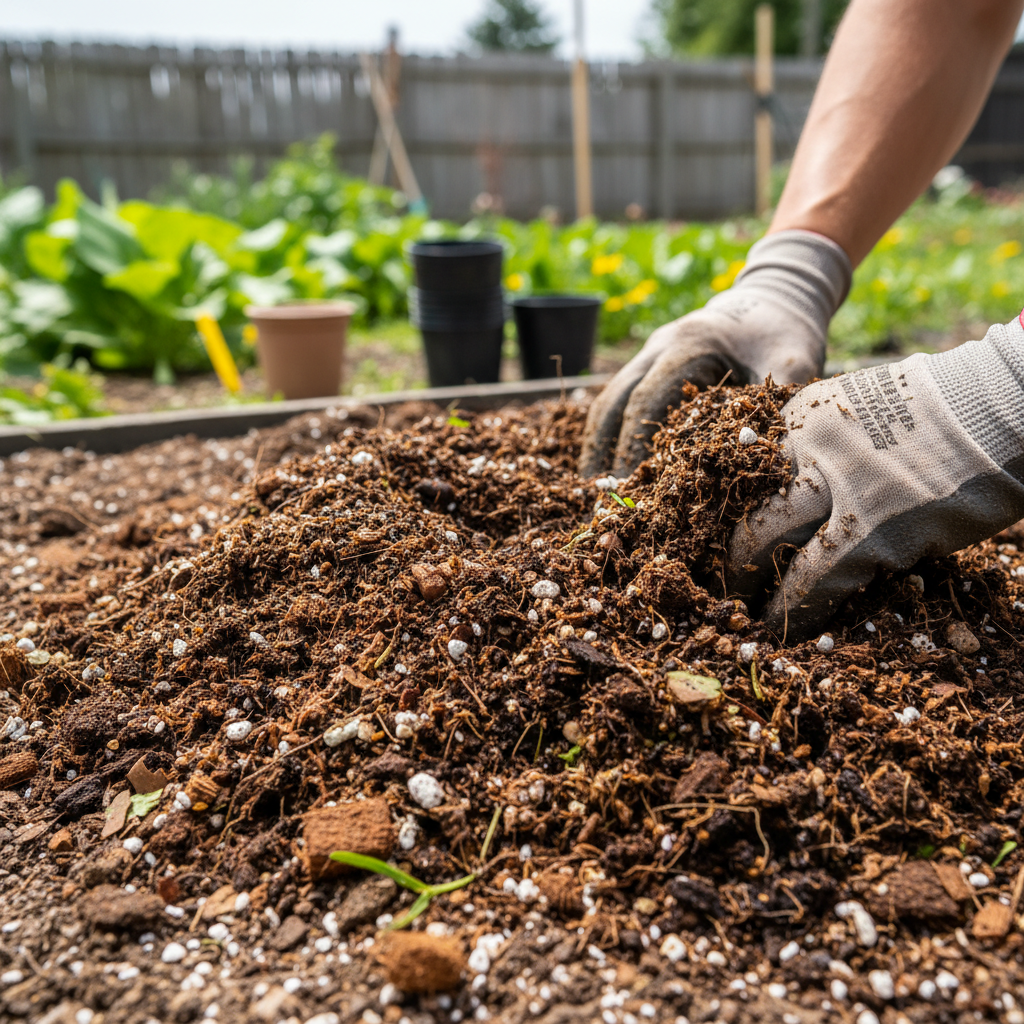
Proper soil preparation is essential for a successful flower bed. Start by clearing the area of weeds and debris. Test the soil pH and amend it as necessary to suit the plants you're growing. Mixing in organic compost can enhance soil fertility, promoting healthy plant growth.
Designing the Layout
Designing the layout of your flower bed adds aesthetic appeal and can improve plant health. Use a combination of colors, heights, and textures to create visual interest. Consider the mature size of plants to avoid overcrowding and ensure each plant has enough space to thrive.
Planting Techniques
When it's time to plant, dig holes that are twice the width of the root ball but no deeper. This encourages roots to grow outward. Space the plants according to their mature size to prevent competition for resources. Water thoroughly after planting to help settle the soil around the roots.
Watering and Mulching
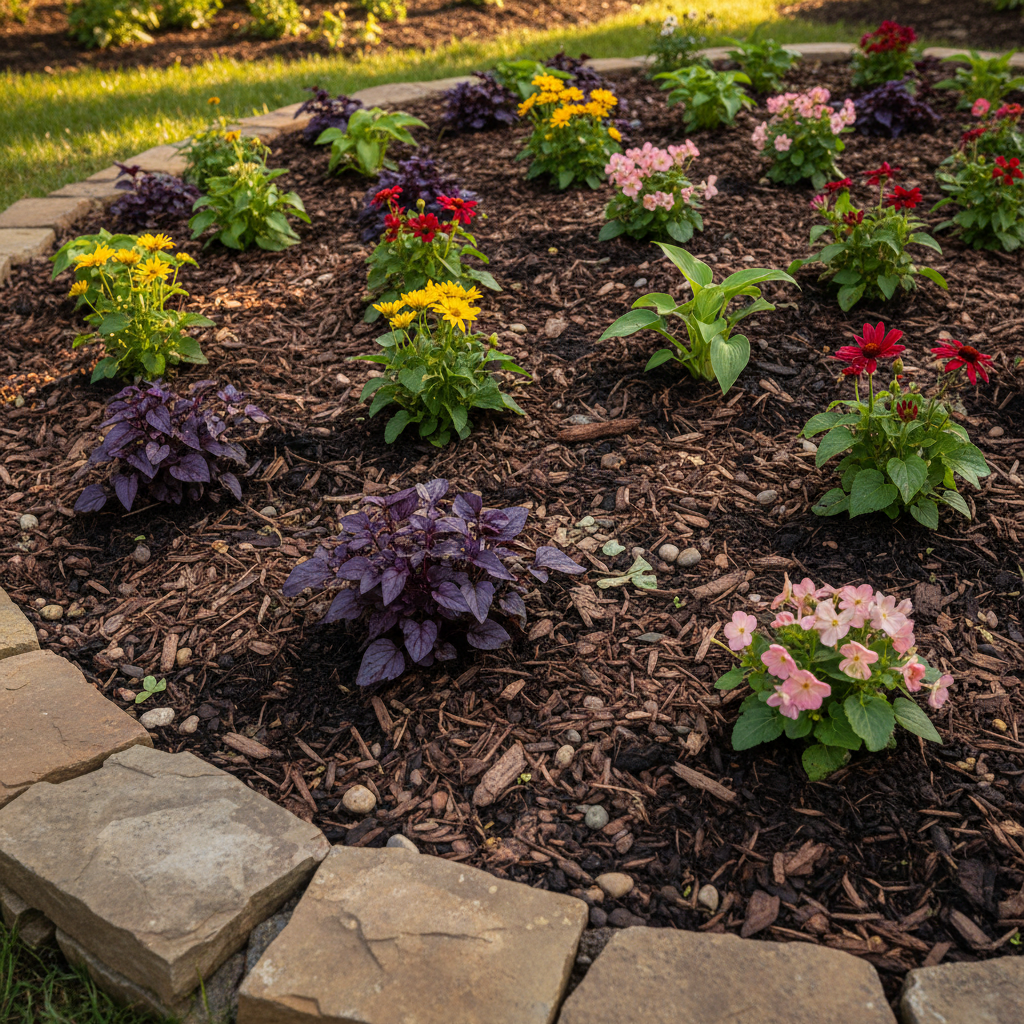
Consistent watering is crucial, especially during the initial weeks after planting. Water deeply and less frequently to encourage deep root growth. Mulching helps retain soil moisture, suppress weeds, and maintain a stable soil temperature. Apply a 2-3 inch layer of mulch around the plants, taking care not to cover the stems.
Maintaining Your Flower Bed
Regular maintenance keeps your flower bed healthy and vibrant. This includes deadheading spent blooms, pruning, and weeding. Fertilize as needed, following the specific requirements of the plants in your bed. Keep an eye out for pests and diseases, addressing any issues promptly to prevent damage.
Seasonal Adjustments
As seasons change, so should your flower bed care routine. In the fall, cut back perennials and remove any dead annuals. Protect tender plants with mulch or coverings during winter. As spring approaches, assess any damage and make necessary adjustments to keep your flower bed in top shape.
By following these expert tips, you can create and maintain a flower bed that not only enhances the beauty of your garden but also thrives year after year.