Expert Tips for Maintaining a Healthy Lawn Year-Round


Understanding Your Lawn's Needs
Maintaining a healthy lawn year-round requires understanding the specific needs of your grass type and local climate. Different grass species have different requirements for sunlight, water, and nutrients. Knowing these details ensures that you can tailor your care routine effectively. For instance, cool-season grasses like fescue thrive in cooler climates, while warm-season grasses such as Bermuda prefer hotter temperatures.
Regular Mowing Practices
Consistent mowing is crucial for a lush lawn. It’s important to set your mower blade at the correct height for your grass type; cutting too low can stress the grass and promote weed growth. Additionally, keep your mower blade sharp to ensure clean cuts that foster healthy growth and reduce the risk of disease.
Consider adjusting your mowing frequency based on the season. During the active growing months, mow more frequently to keep up with growth, while in slower months, you can reduce the frequency.
Watering Wisely
Proper watering is a cornerstone of lawn health. Overwatering or underwatering can lead to a host of problems, including disease and root rot. The general rule of thumb is to water deeply but infrequently, allowing the soil to dry out between sessions. This encourages deep root growth, making your lawn more drought-resistant.
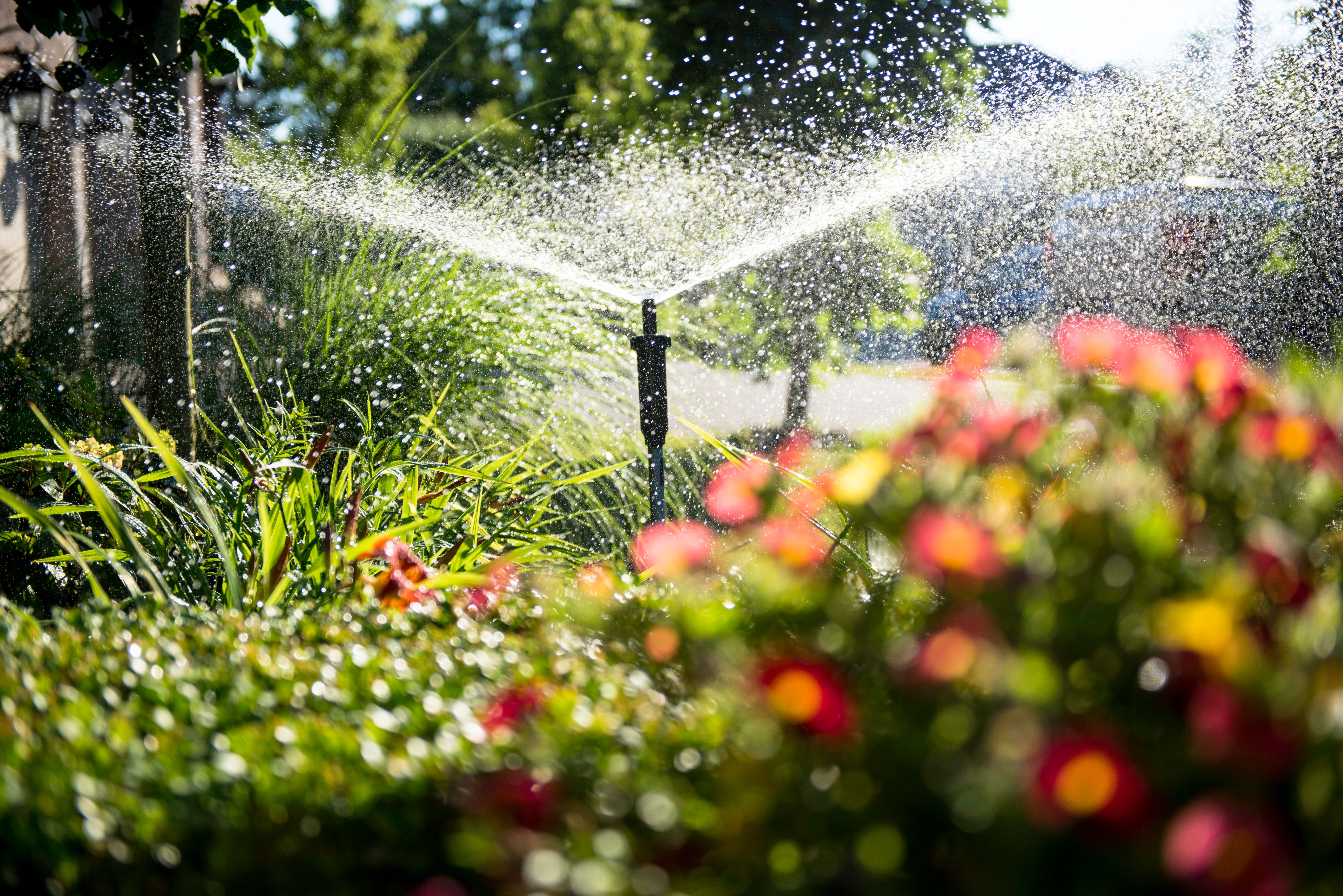
Investing in a reliable irrigation system or smart sprinkler can help ensure that your lawn gets the right amount of water at the right time. Avoid watering during peak sunlight hours to minimize evaporation and water waste.
Effective Fertilization Strategies
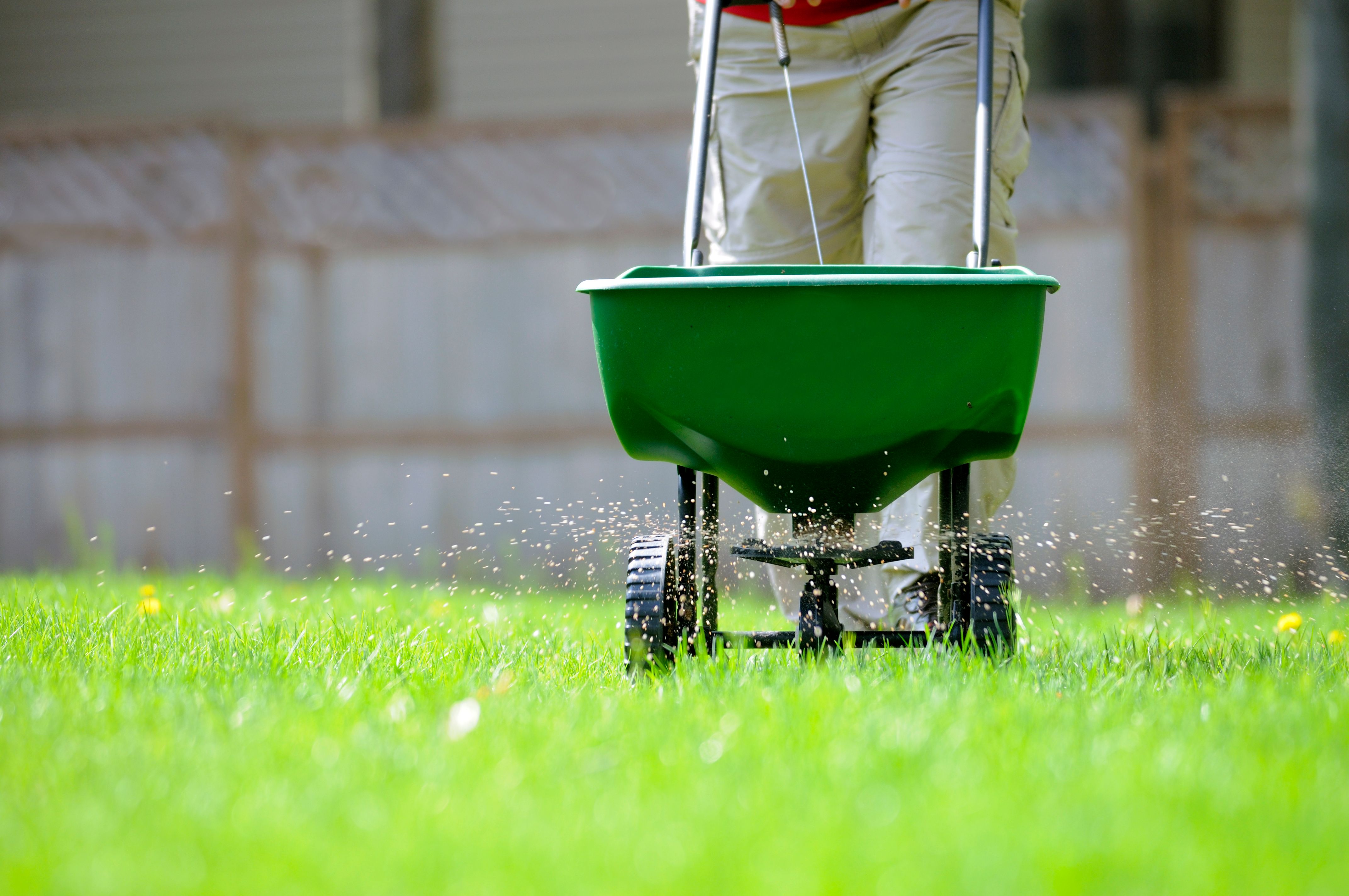
Fertilization provides the essential nutrients that grass needs to grow strong and vibrant. The timing and type of fertilizer depend on your grass type and regional climate. Generally, fertilize during the active growing season for your grass.
Use a balanced fertilizer with nitrogen, phosphorus, and potassium to promote healthy growth. Additionally, consider performing a soil test to identify specific nutrient deficiencies and adjust your fertilization plan accordingly.
Weed and Pest Control
Weeds and pests can quickly turn a beautiful lawn into an unsightly mess. Implement a proactive approach by regularly inspecting your lawn for signs of trouble. Hand-pulling weeds or using targeted herbicides can help keep invasive plants at bay.
For pest control, identify common culprits in your area and apply appropriate treatments. Integrated pest management strategies can also be beneficial, using natural predators or organic solutions to minimize chemical usage.
Seasonal Lawn Care
Adapting your lawn care routine to the changing seasons is essential for year-round health. In spring, focus on cleaning up debris and aerating the soil. Summer requires vigilant monitoring for stress signs due to heat and drought.

During fall, concentrate on removing fallen leaves and overseeding any bare patches. Winter is a time to protect your lawn by minimizing foot traffic and preparing for the upcoming growing season with necessary adjustments.
Aeration and Dethatching
Aeration and dethatching are often overlooked but vital components of maintaining a healthy lawn. Aeration involves perforating the soil with holes to improve air exchange and nutrient absorption. Dethatching removes the layer of dead organic material that can suffocate grass roots.
Both practices should be performed when the grass is actively growing for optimal recovery. Regularly incorporating these techniques can significantly enhance your lawn's overall health and appearance.