Expert Tips on Creating a Lush Lawn in Any Climate


Understanding Your Climate
Creating a lush lawn starts with understanding the climate you’re working with. Different climates require different approaches to lawn care. Whether you're dealing with a hot, arid environment or a cooler, damp one, knowing your climate will help you select the right grass type and maintenance practices.

Selecting the Right Grass Type
Choosing the correct grass type is crucial for a healthy lawn. For warmer climates, consider grasses like Bermuda or Zoysia, which thrive in heat. In cooler climates, Kentucky bluegrass or fescue are more suitable. Selecting the right variety ensures your lawn remains vibrant year-round.
Soil Preparation and Testing
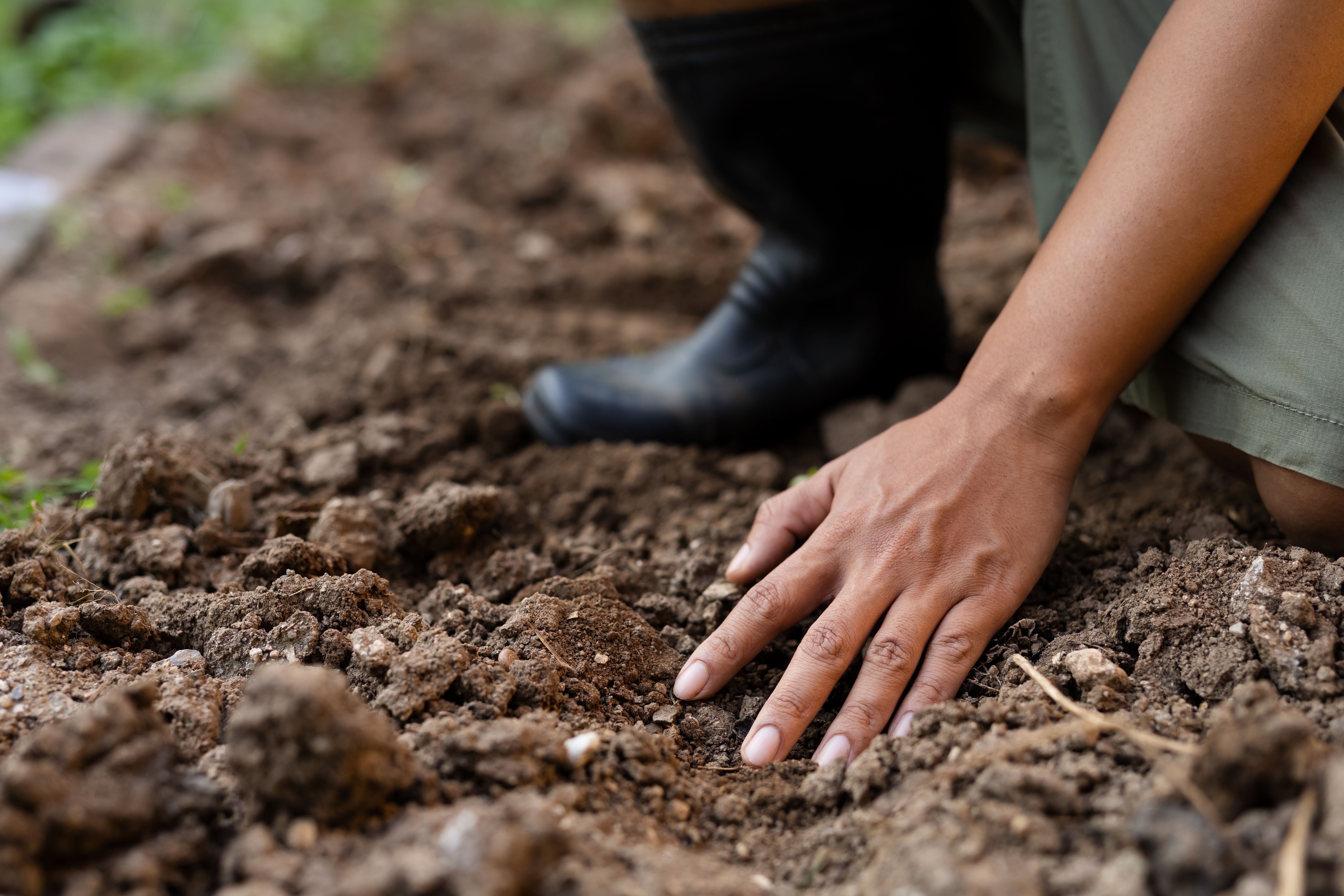
Before planting, it’s vital to test your soil. Understanding its pH and nutrient levels can guide you in making necessary adjustments. Amending your soil with compost or organic matter can improve its structure and fertility, providing a robust foundation for your lawn.
Watering Techniques for Every Climate
Watering is a critical component of lawn care, but the technique varies with climate. In hotter regions, deep and infrequent watering encourages roots to grow deeper. In contrast, cooler areas may require more frequent watering but in smaller quantities. Installing an efficient irrigation system can help maintain consistent moisture levels.
Fertilization Strategies
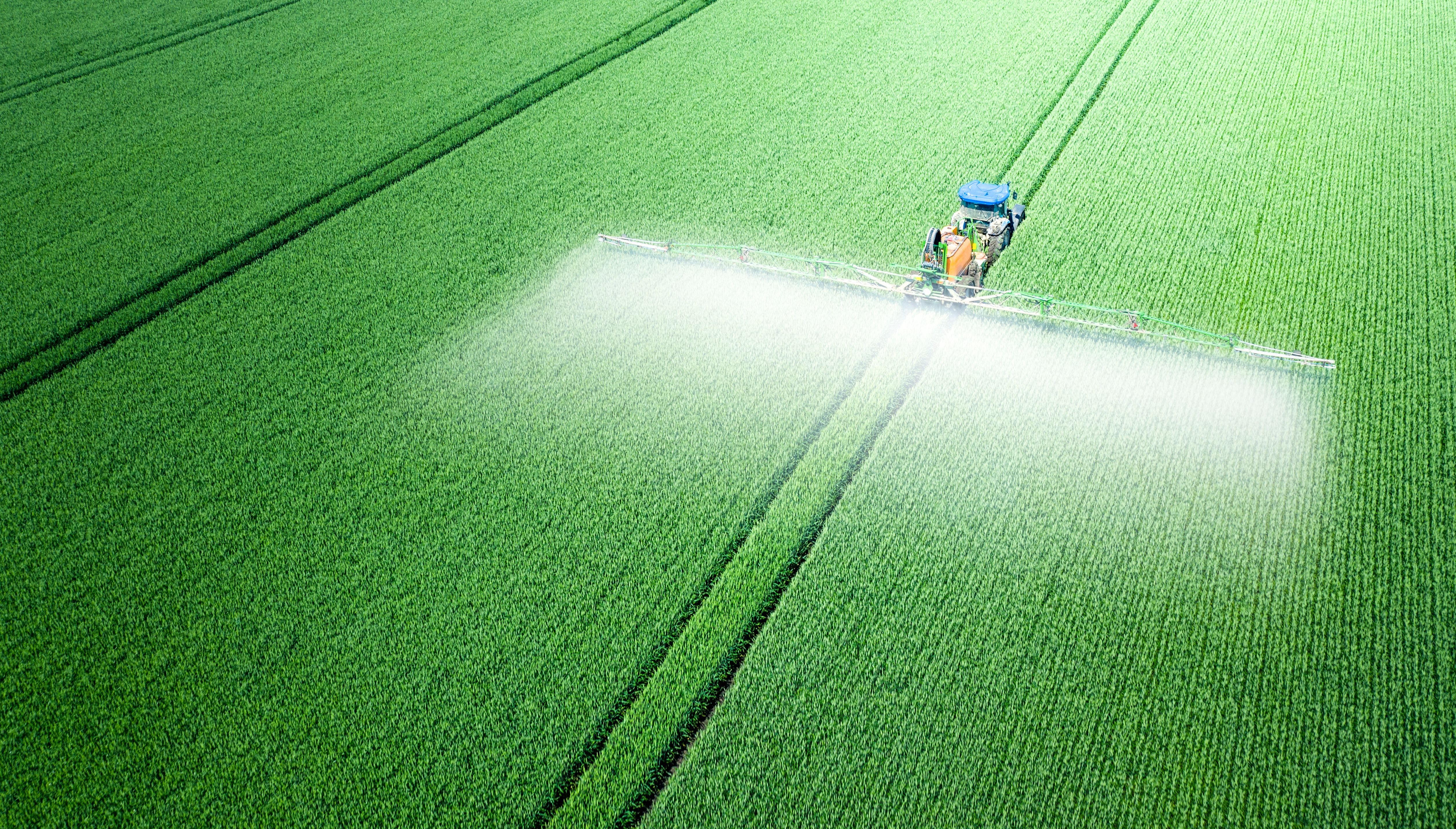
Fertilizing your lawn provides essential nutrients that promote growth and resilience. The timing and type of fertilizer depend on your grass type and climate. Warm-season grasses benefit from fertilization in the late spring and summer, while cool-season grasses thrive with fall applications. Organic fertilizers are a great option for sustainable lawn care.
Mowing for Optimal Health
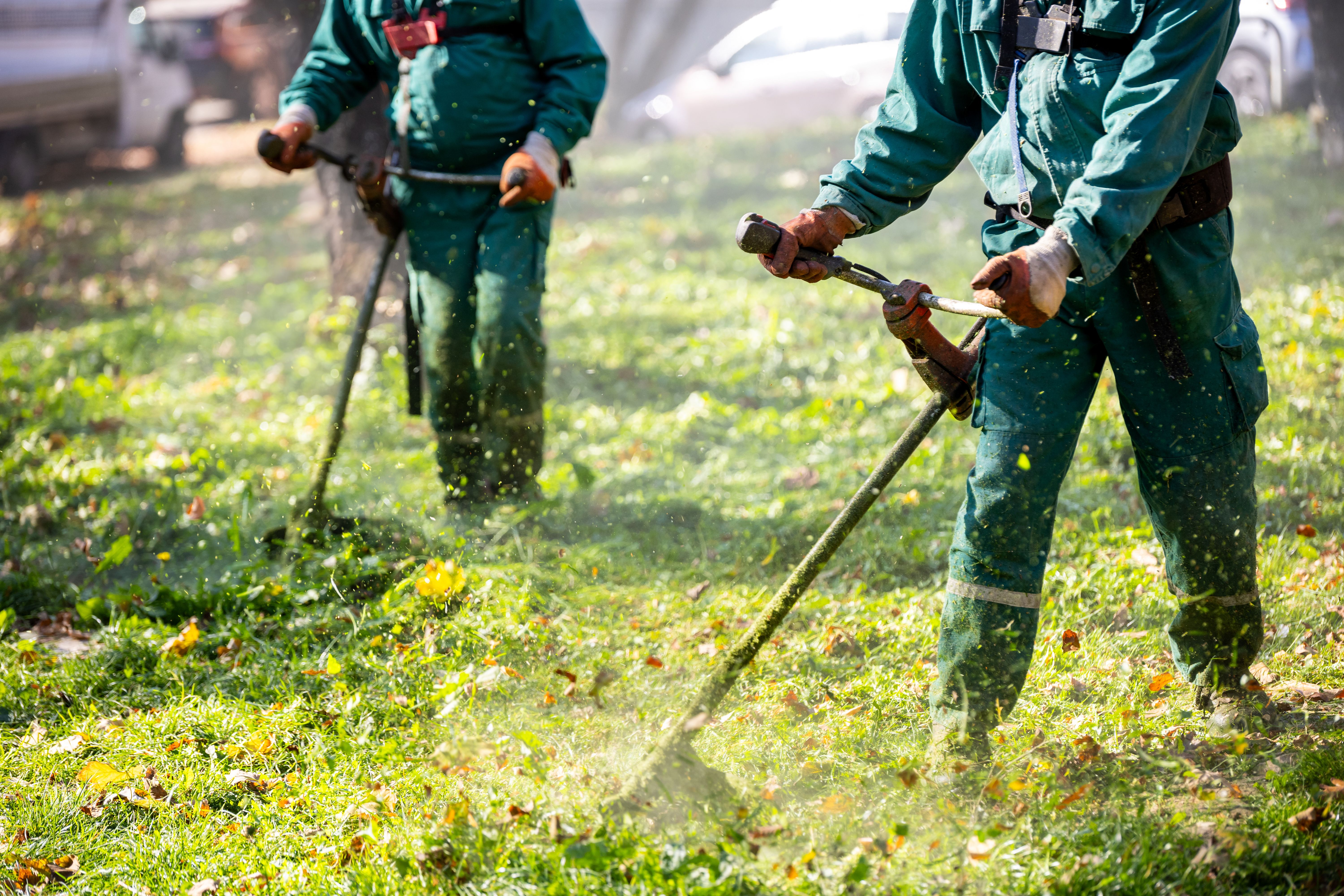
Proper mowing practices are essential for a lush lawn. Keep your mower blades sharp and adjust the height according to your grass type. Warm-season grasses should be kept shorter, while cool-season grasses benefit from a slightly higher cut. Regular mowing also helps control weeds and maintain a tidy appearance.
Pest and Weed Management
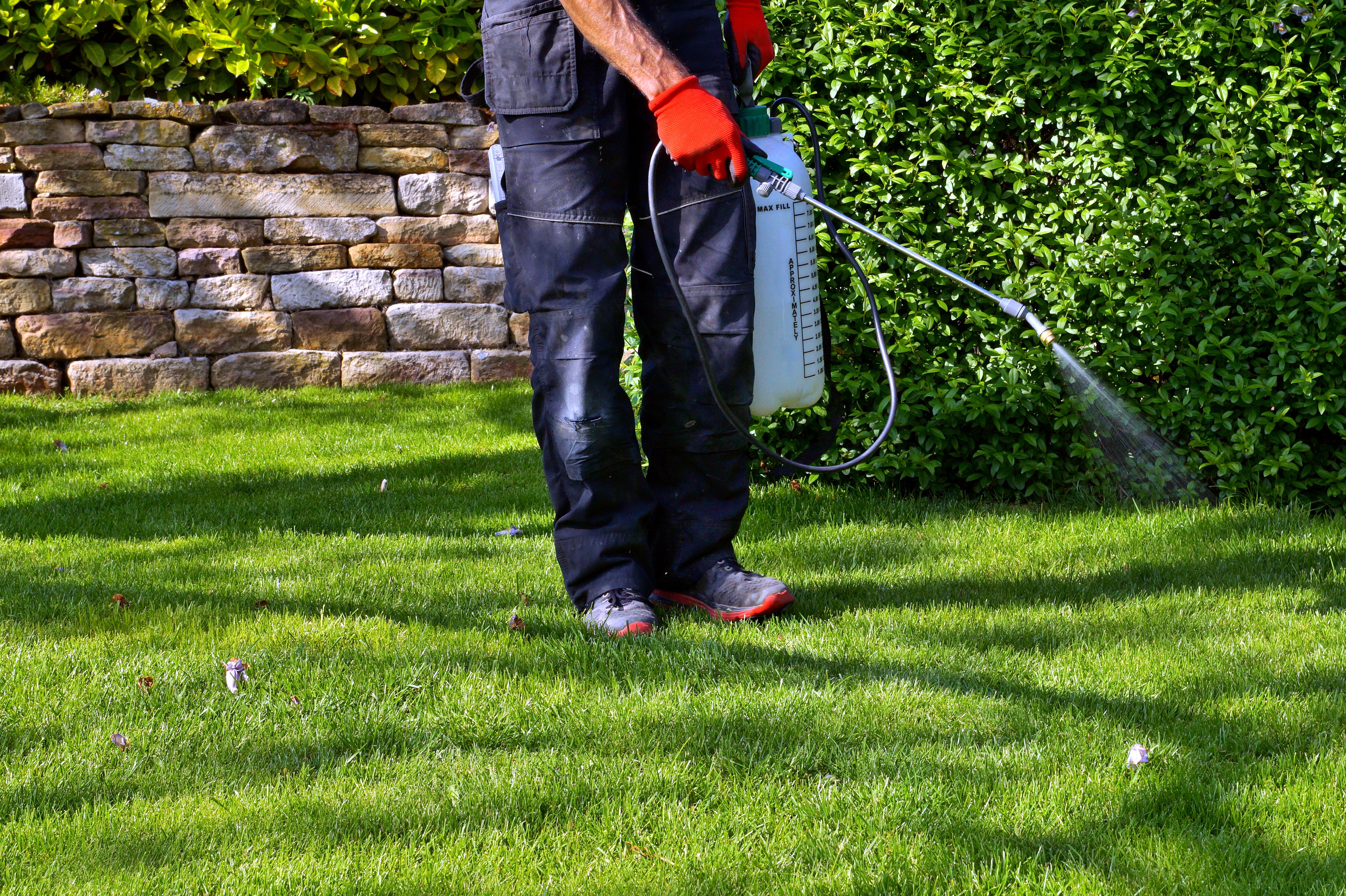
A healthy lawn is less susceptible to pests and weeds, but proactive management is still necessary. Regularly inspect your lawn for signs of pests and use targeted treatments when needed. For weeds, maintaining a dense lawn through proper mowing and fertilization can help reduce their presence.
Aeration and Dethatching
Aeration and dethatching are important for maintaining lawn health. Aeration involves perforating the soil to improve air and nutrient penetration. Dethatching removes the layer of dead grass and roots that can suffocate your lawn. Both practices should be done annually for the best results.
Seasonal Care and Maintenance
Each season brings different challenges and requirements for lawn care. In the spring, focus on soil preparation and seeding. Summer requires diligent watering and mowing. Fall is the time for fertilization and aeration, while winter involves protecting your lawn from harsh conditions. Tailoring your care routine to the seasons ensures a vibrant lawn year-round.