How Mulching Can Transform Your Garden: Tips from the Pros


Understanding the Basics of Mulching
Mulching is a gardening technique that involves covering the soil with a layer of material to conserve moisture, improve fertility, and reduce weed growth. This simple practice can dramatically enhance the health and appearance of your garden. Whether you're a novice or an experienced gardener, understanding how mulching can benefit your landscape is essential.
Benefits of Mulching
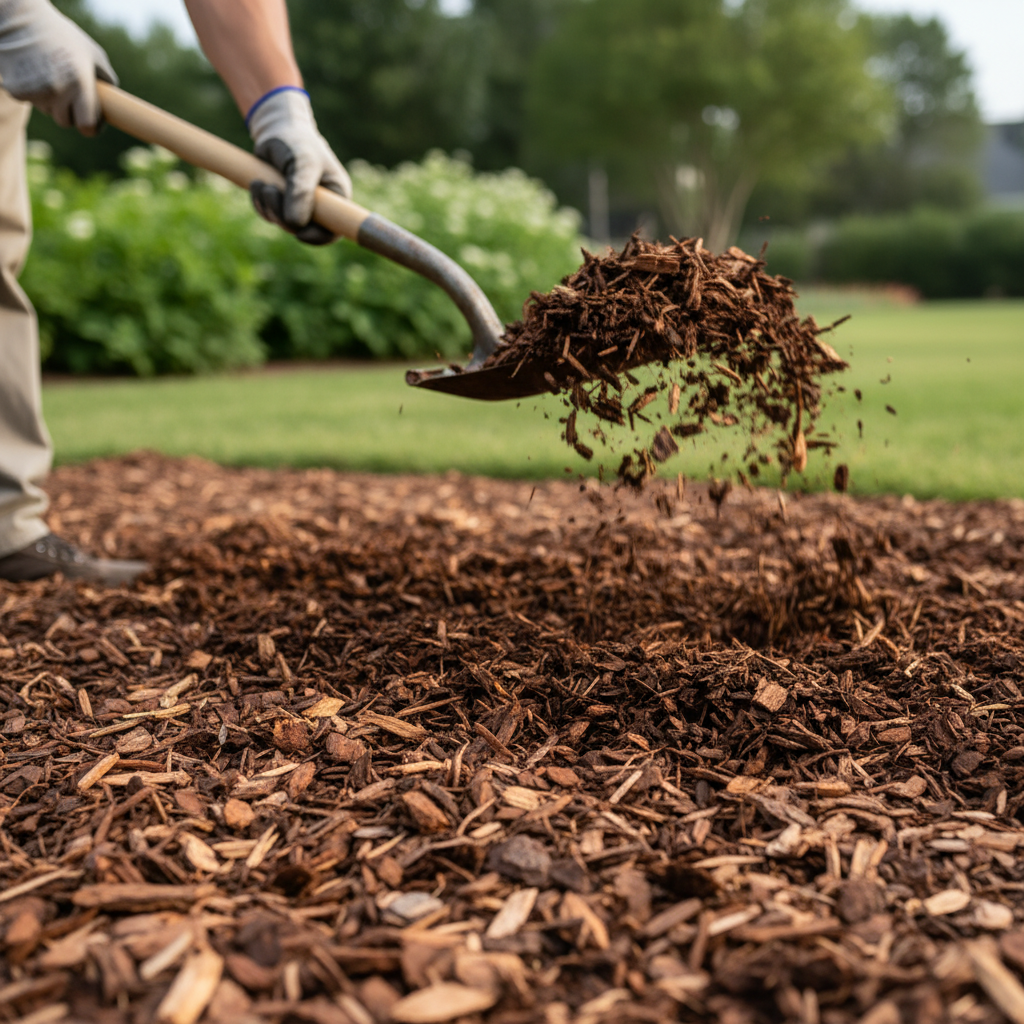
One of the primary advantages of mulching is its ability to retain soil moisture. By reducing evaporation, mulch ensures that your plants receive consistent hydration, even during dry spells. Additionally, mulching helps regulate soil temperature, keeping roots cooler in the summer and warmer in the winter.
Mulching also plays a crucial role in preventing weed growth. A thick layer of mulch blocks sunlight, hindering weed germination and growth. This means less time spent weeding and more time enjoying your garden.
Types of Mulch
There are various types of mulch available, each with unique benefits. Organic mulches, such as wood chips, bark, and straw, gradually break down and enrich the soil with nutrients. Inorganic options like gravel or pebbles are long-lasting and excellent for decorative purposes.
Choosing the right type of mulch depends on your specific gardening needs and aesthetic preferences. Consider factors such as the plants you're growing, your local climate, and the overall look you want to achieve.
How to Apply Mulch Effectively
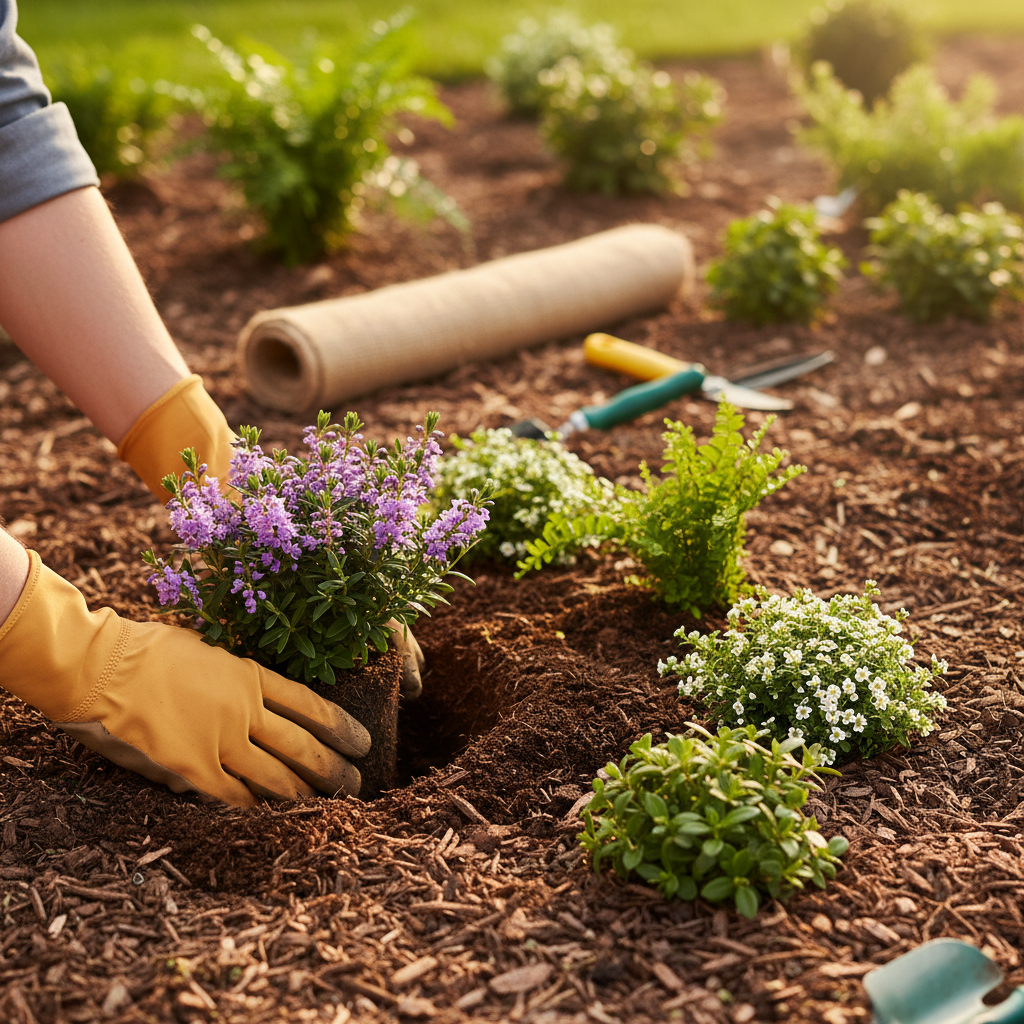
Applying mulch correctly is key to maximizing its benefits. Start by clearing the area of weeds and debris. Spread a layer of mulch about 2 to 4 inches thick around your plants, being careful not to cover the base of stems or tree trunks, as this can lead to rot.
Replenish mulch annually or as needed to maintain its effectiveness. Over time, organic mulch will decompose, adding valuable nutrients to the soil. Keep an eye on the depth, ensuring it remains consistent to continue providing benefits.
Common Mistakes to Avoid
One common mistake is applying mulch too thickly, which can suffocate plant roots and hinder water penetration. Another is using the wrong type of mulch for your garden conditions. For example, using a heavy mulch in a damp area may exacerbate moisture issues.
Avoid piling mulch against plant stems and tree trunks. This practice, known as "volcano mulching," can cause decay and attract pests. Instead, create a mulch-free space around the base of each plant.
Expert Tips for Successful Mulching
To enhance the benefits of mulching, consider using a combination of materials. For instance, a base layer of newspaper or cardboard can provide extra weed control, while a top layer of organic mulch adds nutrients and aesthetic appeal.
Consult local gardening experts or extension services for advice tailored to your region. They can provide insights into the best mulching practices for your climate and soil type, ensuring your garden thrives year-round.
Conclusion
Mulching is a powerful tool in any gardener's arsenal. By understanding its benefits and implementing it correctly, you can transform your garden into a lush, healthy, and beautiful space. With the right materials and techniques, you'll enjoy a thriving landscape with minimal effort.