How to Prepare Your Lawn for Spring: Essential Tips for a Lush Green Yard


Assess Your Lawn's Current Condition
Before diving into the spring preparation for your lawn, it's crucial to assess its current condition. Identifying issues such as bare patches, weeds, or compacted soil will help you prioritize the tasks needed for a lush and healthy yard. Walk around your lawn and take note of any problems that need addressing.

Rake and Remove Debris
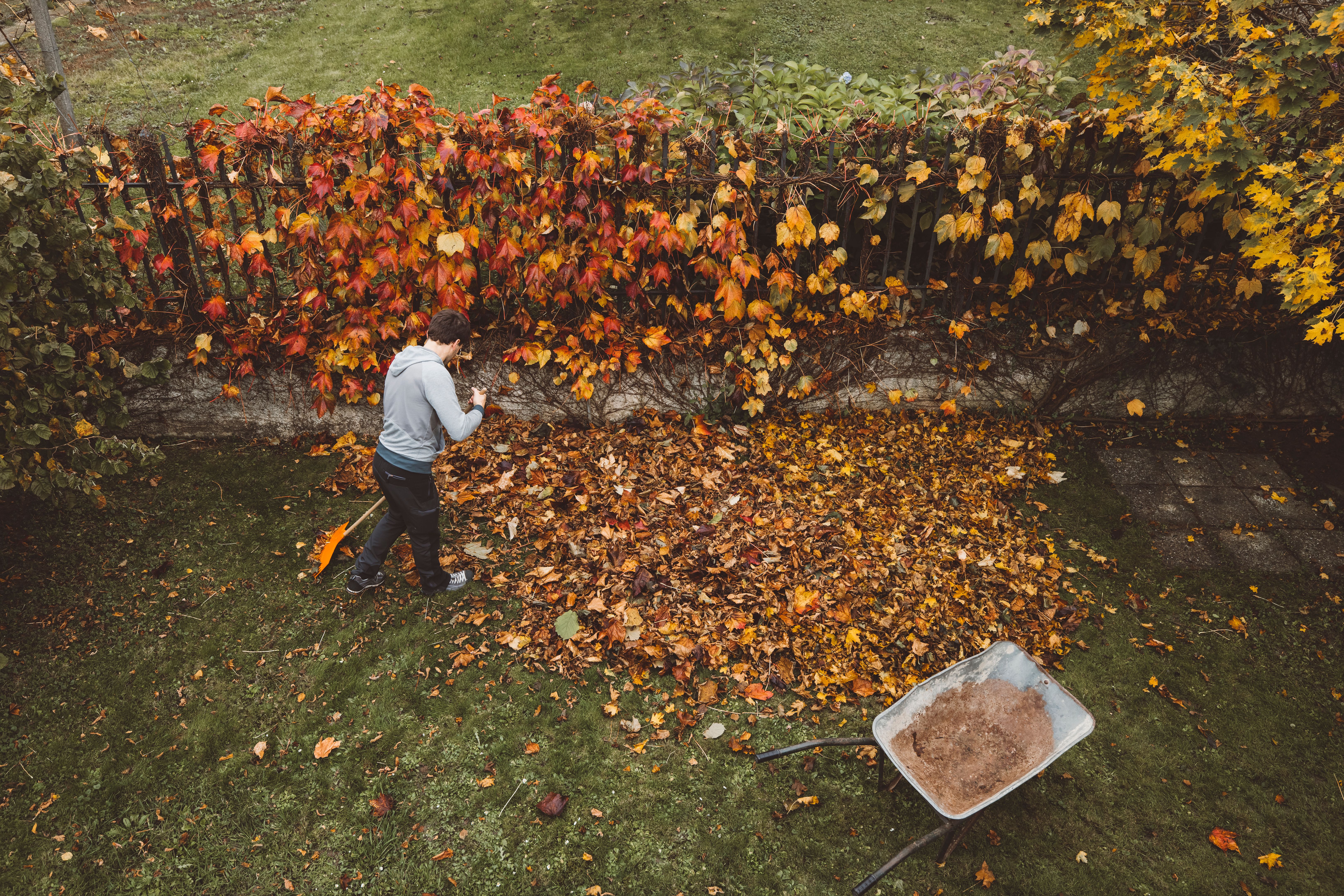
One of the first steps to prepare your lawn for spring is to thoroughly rake and remove any debris left over from winter. This includes fallen leaves, twigs, and dead grass. Raking helps to break up any thatch that may have developed and allows the soil to breathe. A clean slate provides a perfect foundation for new growth.
Why Raking is Important
Raking not only clears debris but also stimulates grass growth by allowing sunlight and air to reach the soil. This process helps prevent mold and diseases that can thrive in damp, covered areas. Make sure you use a sturdy rake to effectively remove all unwanted materials.
Test and Amend the Soil
Testing your soil is an essential step in preparing your lawn for spring. Knowing the pH level and nutrient content of your soil will guide you in choosing the right fertilizers and amendments. You can purchase a soil testing kit from a garden center or send a sample to a local agricultural extension office.
Soil Amendments
Based on your soil test results, you may need to add amendments such as lime to raise the pH or sulfur to lower it. Additionally, incorporating organic matter like compost can improve soil structure and fertility, providing a healthy environment for grass roots.
Aerate the Lawn
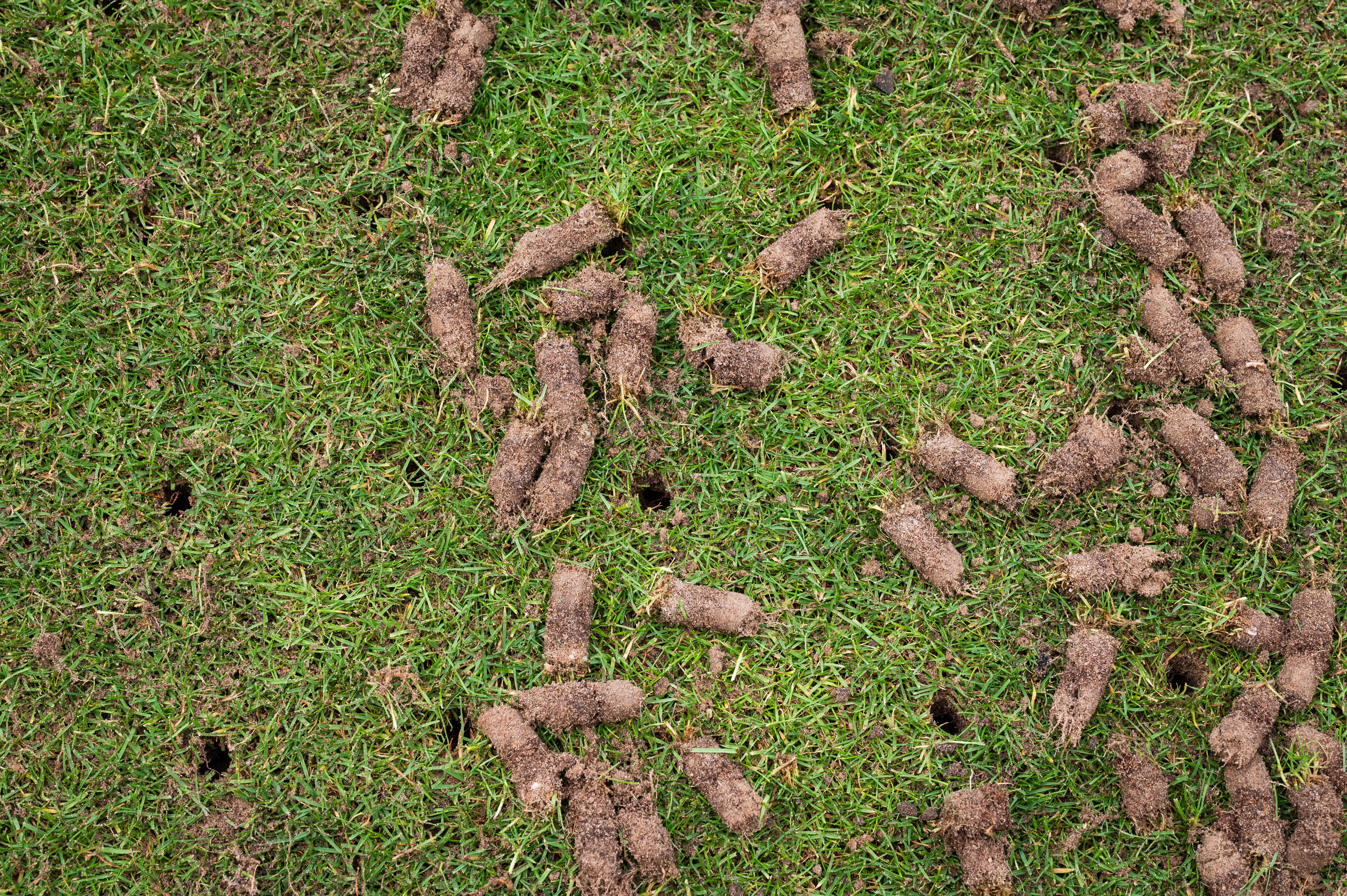
Aeration is an important practice that involves perforating the soil with small holes to allow air, water, and nutrients to penetrate the grass roots. This process helps alleviate soil compaction and promotes deeper root growth. Consider renting an aerator or hiring a professional service if you have a large yard.
When to Aerate
The best time to aerate your lawn is in early spring when the grass begins its active growth phase. Aerating during this period ensures that your lawn can quickly recover and take full advantage of the improved soil conditions.
Seed and Fertilize Your Lawn
Seeding bare patches and applying fertilizer are key steps in achieving a lush green yard. Choose a grass seed blend that's suitable for your climate and lawn conditions, and spread it evenly over any thin areas. Follow up with a slow-release fertilizer to provide essential nutrients throughout the growing season.
Fertilizer Application Tips
Apply fertilizer according to the package instructions, being careful not to over-fertilize, which can lead to nutrient runoff and environmental harm. It’s advisable to use a spreader for even application and water your lawn after fertilizing to help nutrients penetrate the soil.
Water Wisely
Proper watering is essential for maintaining a vibrant lawn. In early spring, nature often provides enough moisture, but as temperatures rise, you'll need to establish a regular watering schedule. Aim to water deeply but infrequently to encourage deep root growth.
Best Practices for Watering
Water your lawn early in the morning or late in the evening to reduce evaporation and ensure that water reaches the roots effectively. Avoid overwatering as it can lead to fungal diseases and shallow root systems.
By following these essential tips, you'll be well on your way to creating a lush, green yard ready for springtime enjoyment. Consistent care and attention will ensure that your lawn remains healthy and beautiful throughout the season.