Lawn Care Basics: How to Achieve the Perfect Green Lawn


Understanding Your Lawn
A lush, green lawn is the dream of many homeowners. However, achieving that perfect green expanse requires knowledge and effort. The first step is understanding your lawn. Grass types vary significantly, and each has unique requirements. Common varieties include Bermuda, Kentucky Bluegrass, and Fescue. Determine which type you have to tailor your care regimen effectively.
Soil health is another crucial factor. Conducting a soil test will help you understand nutrient levels and pH balance. Healthy soil is the foundation for a thriving lawn. Amend your soil based on the test results, adding lime to raise pH or sulfur to lower it as needed.
Essential Lawn Care Practices
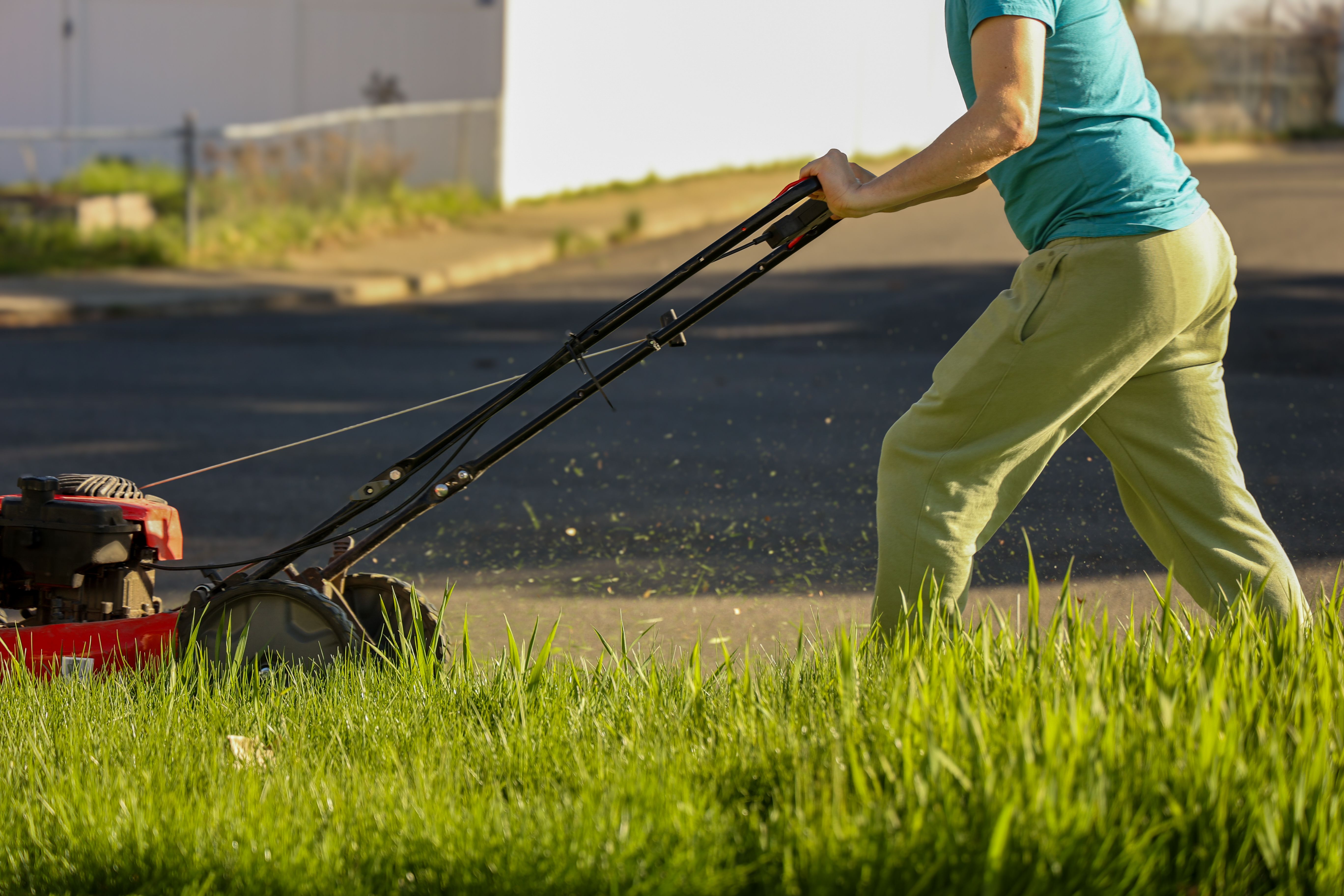
Regular mowing is vital for maintaining a healthy lawn. Keep your mower blades sharp, and avoid cutting more than one-third of the grass height at a time. This practice prevents stress on the grass and promotes thicker growth. Adjust the mowing height according to the season; higher in summer to conserve moisture and lower in cooler months.
Watering is another key element. Lawns typically require about one inch of water per week, including rainfall. Water deeply but infrequently to encourage deep root growth. Early morning is the best time to water, minimizing evaporation and fungal growth.
Fertilization and Weed Control
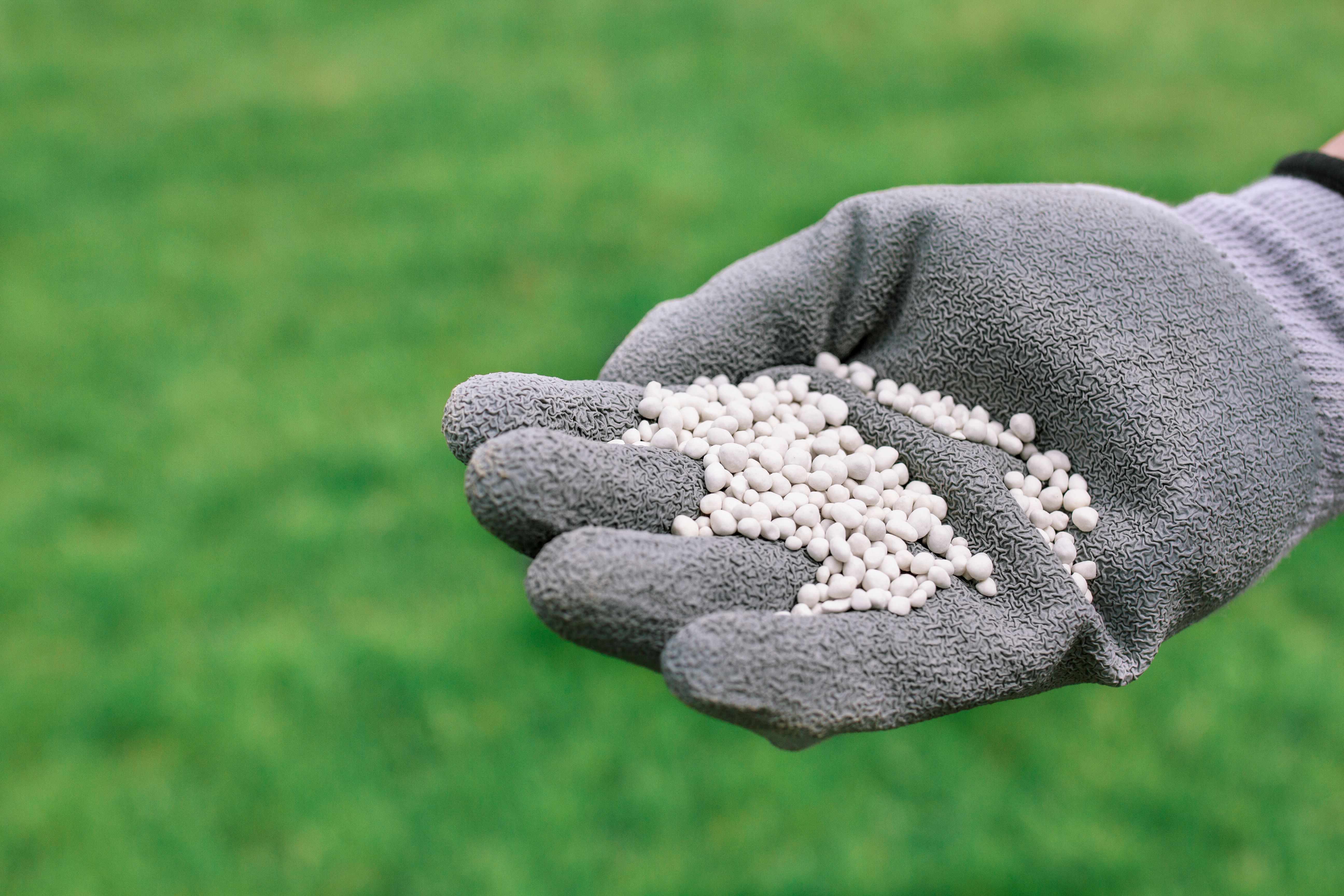
Fertilizing your lawn provides essential nutrients for growth. A balanced, slow-release fertilizer applied at the right time can make a significant difference. Typically, lawns benefit from fertilization in early spring and fall. Be cautious not to over-fertilize, as this can lead to nutrient runoff and pollution.
Weed control is crucial for maintaining a pristine lawn. Implement a combination of pre-emergent and post-emergent herbicides to tackle weeds effectively. Manual removal can also be helpful for small infestations. Healthy lawns naturally resist weeds, so focus on overall lawn health as a preventive measure.
Addressing Common Lawn Problems
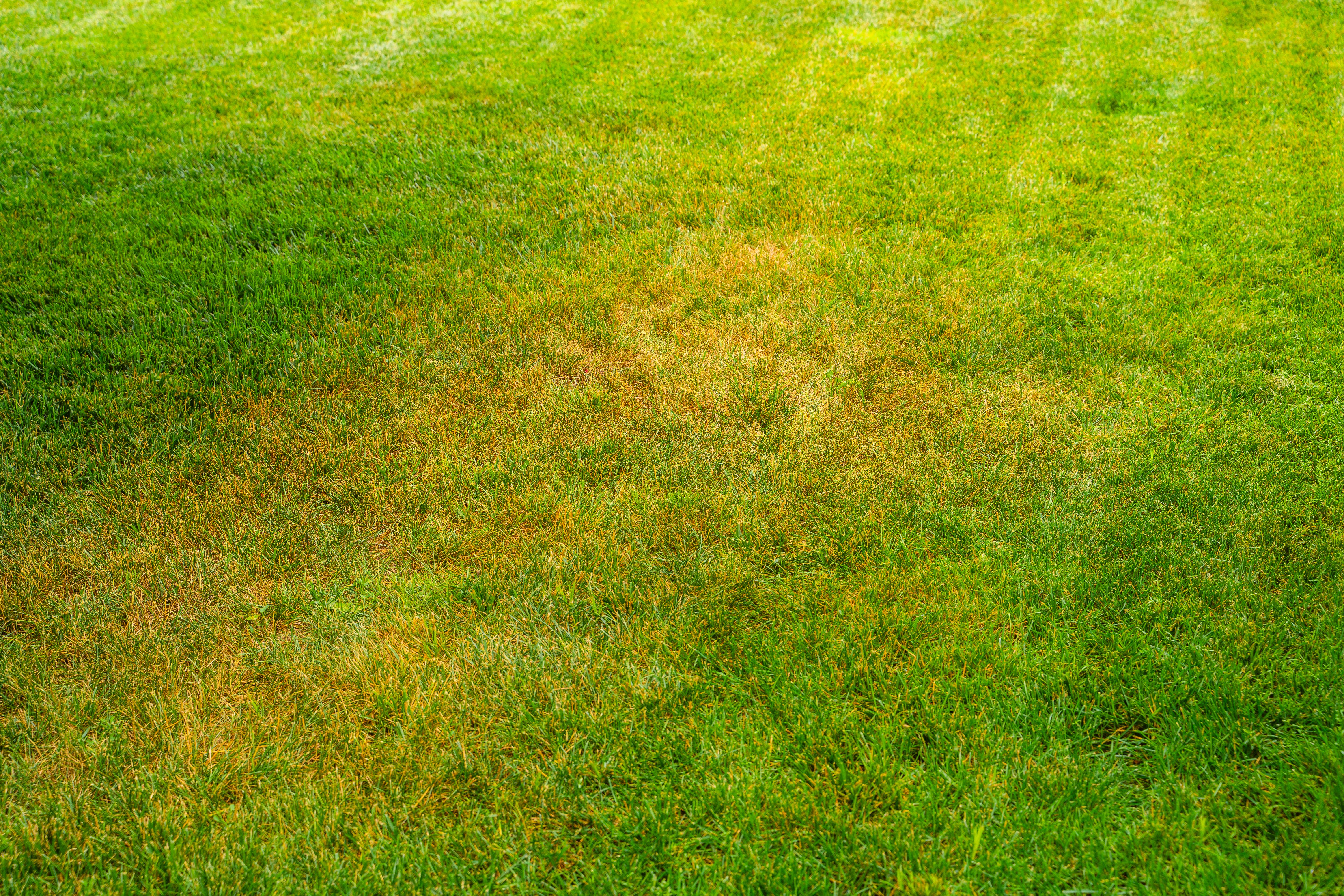
Even with diligent care, lawns can face issues such as pests, diseases, and bare patches. Identify pests like grubs or chinch bugs early and apply appropriate treatments. Fungal diseases may require fungicides or improved lawn care practices like better aeration and watering techniques.
Bare patches can result from various factors including foot traffic or pet damage. Reseed these areas with a grass type that matches the rest of your lawn. Ensure good seed-to-soil contact by lightly raking the soil before spreading seed.

Seasonal Lawn Care Tips
Lawn care needs change with the seasons. In spring, focus on cleaning up debris, aerating, and fertilizing to prepare your lawn for vigorous growth. Summer requires careful watering and mowing practices to combat heat stress.
Fall is an ideal time for overseeding and applying a final round of fertilizer to strengthen the lawn before winter dormancy. During winter, minimize foot traffic on frozen grass to prevent damage and plan for early spring care tasks.
By following these basic lawn care guidelines, you can achieve and maintain a beautiful green lawn that enhances the aesthetic appeal of your home year-round.