Lawn Care Myths: Debunking Common Misconceptions


The Truth About Fertilizer
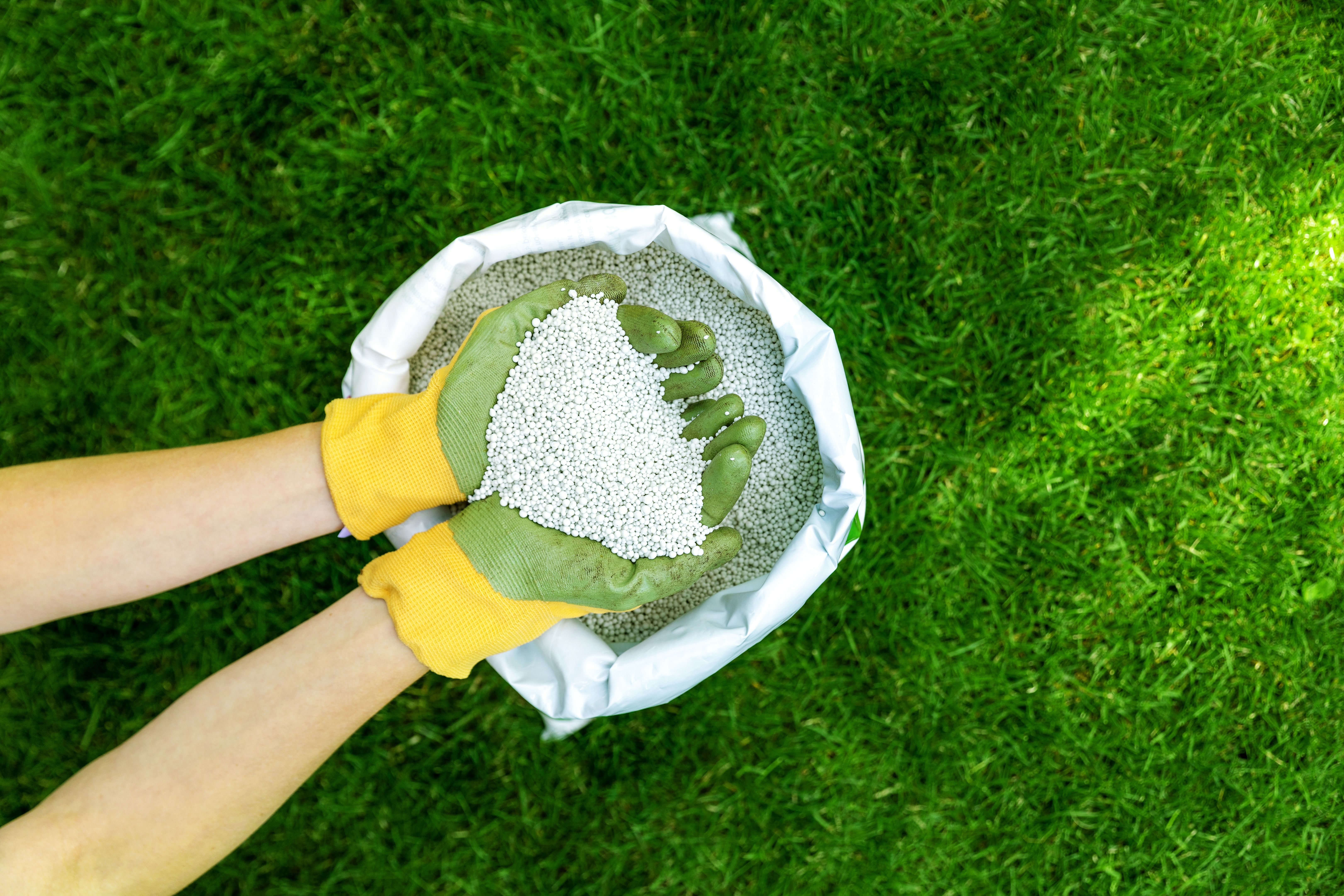
One common lawn care myth is that more fertilizer always means a healthier lawn. In reality, over-fertilizing can lead to problems such as excessive growth, increased thatch, and even root burn. It’s crucial to follow the recommended guidelines for your specific type of grass and climate.
Fertilization should be done strategically, often just a few times a year. Consider the season and your grass type for best results. Using a slow-release fertilizer can also help in providing consistent nutrients over time without overwhelming your lawn.
The Watering Misconception
Another widespread myth is that lawns need daily watering to stay green and lush. In fact, frequent shallow watering can lead to shallow root systems and make your grass more vulnerable to drought and disease. Instead, aim for deep watering sessions once or twice a week.
When watering, ensure that the soil is moistened to the depth of the roots. This practice encourages deep root growth and helps your lawn withstand dry periods. The best time to water is early morning to minimize evaporation and allow the grass to dry before nightfall, reducing the risk of fungal diseases.
The Myth of Short Grass
Many people believe that cutting grass short means mowing less often. While this might seem convenient, it’s not beneficial for your lawn’s health. Grass that is cut too short can become stressed and more susceptible to weeds and pests.
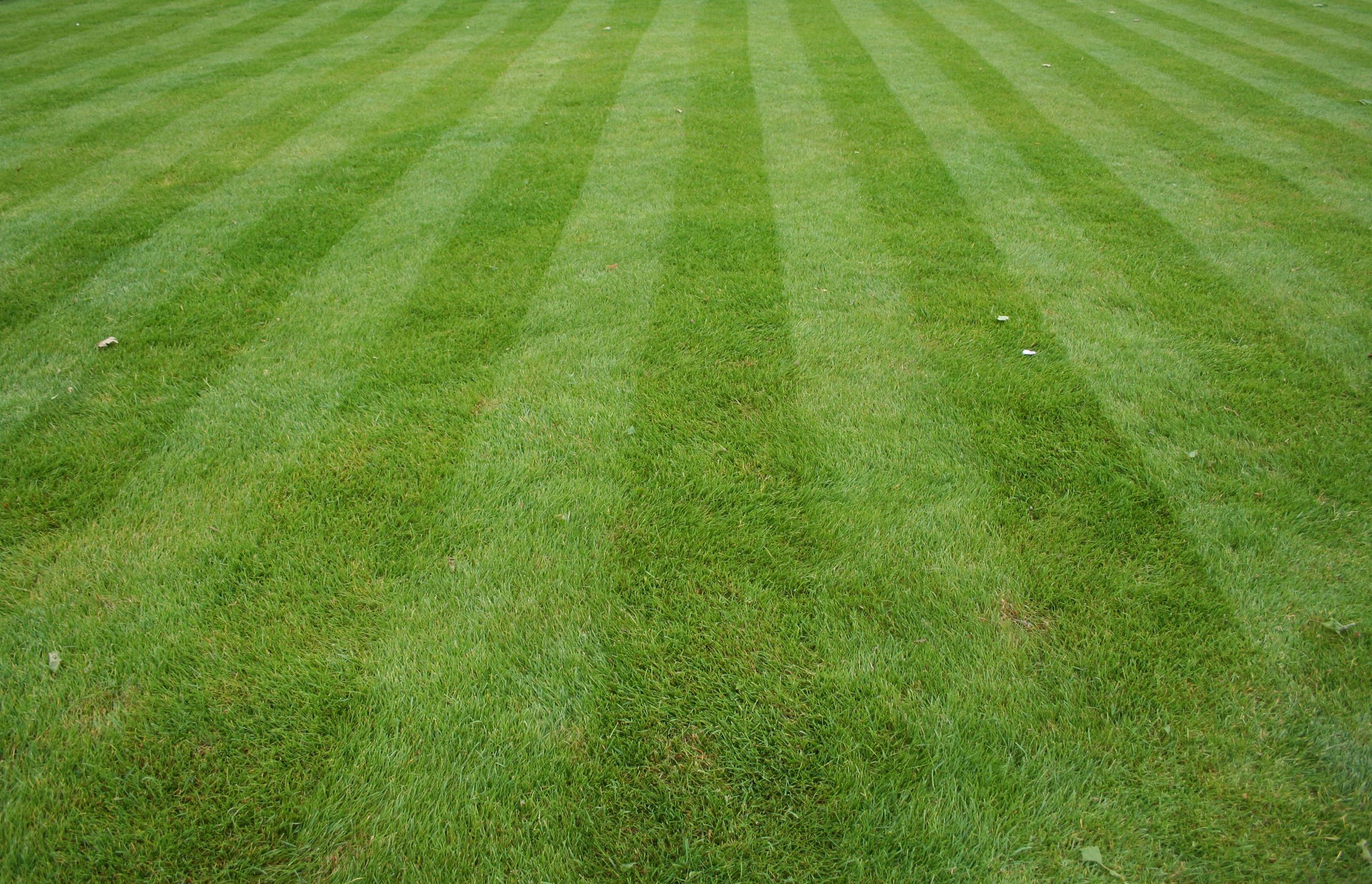
It’s generally recommended to follow the one-third rule: never cut more than one-third of the grass blade at one time. Keeping your grass at a moderate height helps it develop stronger roots and maintain moisture more effectively.
The Role of Grass Clippings
Some homeowners think that leaving grass clippings on the lawn causes thatch buildup, but this is a misconception. Grass clippings can actually be quite beneficial as they decompose quickly and return valuable nutrients to the soil.
If you mow regularly and don't remove too much at once, grass clippings can serve as a natural fertilizer. This practice, known as grasscycling, reduces waste and promotes a healthier lawn environment.
The Weeds and Pests Myth
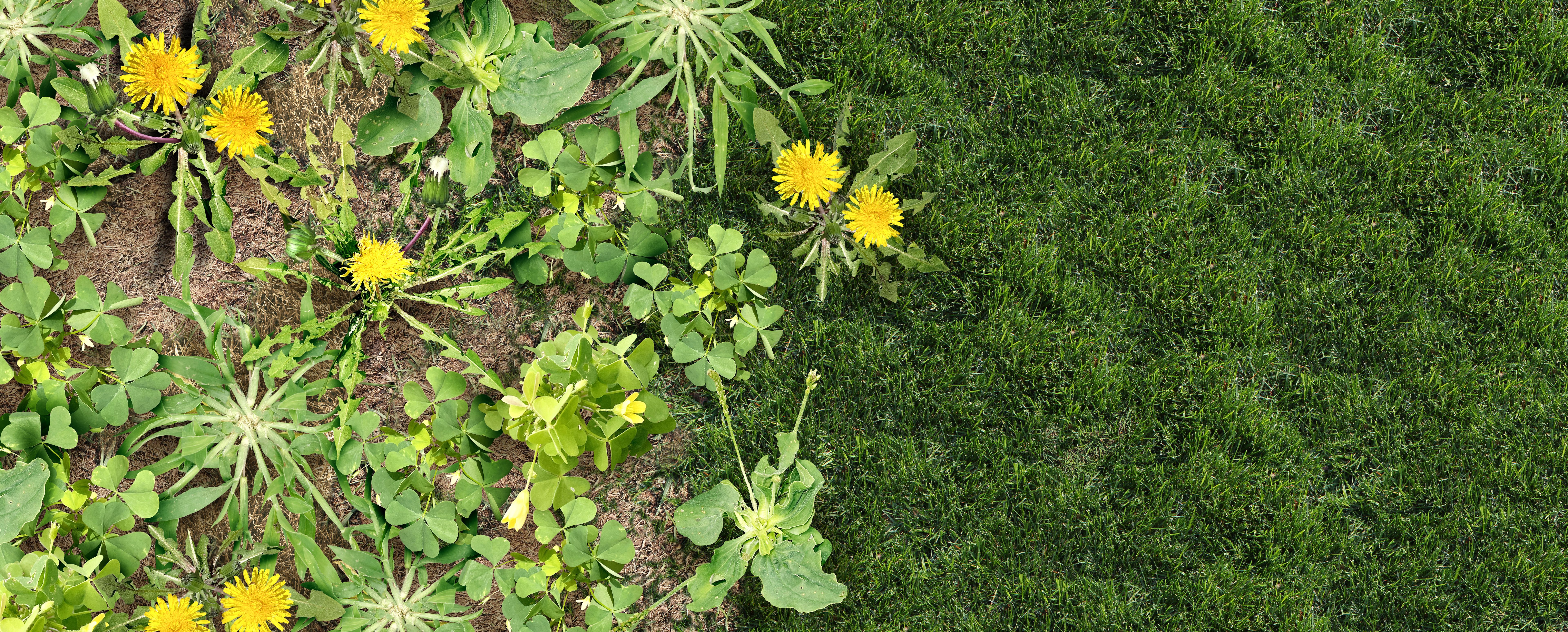
A common myth in lawn care is that weeds and pests are inevitable nuisances that require constant chemical intervention. While it’s true that they can be problematic, maintaining a healthy lawn can significantly reduce their prevalence.
Regular mowing, proper watering, and appropriate fertilization create conditions that discourage weed growth and pest infestations. When necessary, opt for targeted treatments rather than broad-spectrum chemicals to minimize environmental impact.
The Importance of Aeration
Some believe that aeration is an unnecessary step in lawn care. However, this process is crucial for maintaining a healthy lawn. Aeration involves perforating the soil with holes to allow air, water, and nutrients to penetrate the grassroots.
Regular aeration helps alleviate soil compaction, promotes healthier root systems, and enhances the lawn’s ability to absorb essential nutrients. This practice is especially beneficial in high-traffic areas where soil is more likely to be compacted.