Lawn Care Myths Debunked: What Really Works for a Lush Lawn


Understanding Lawn Care Myths
When it comes to maintaining a beautiful lawn, there are countless myths that can lead homeowners astray. While some tips may have a kernel of truth, others can be entirely misleading. Understanding what truly works is essential for achieving that lush, green lawn you desire.
Myth 1: Watering Daily is Essential
One of the most common myths is that daily watering is necessary for a healthy lawn. In reality, frequent shallow watering promotes shallow root growth. Instead, focus on deep watering sessions once or twice a week. This encourages roots to grow deeper, making your lawn more drought-resistant and robust.
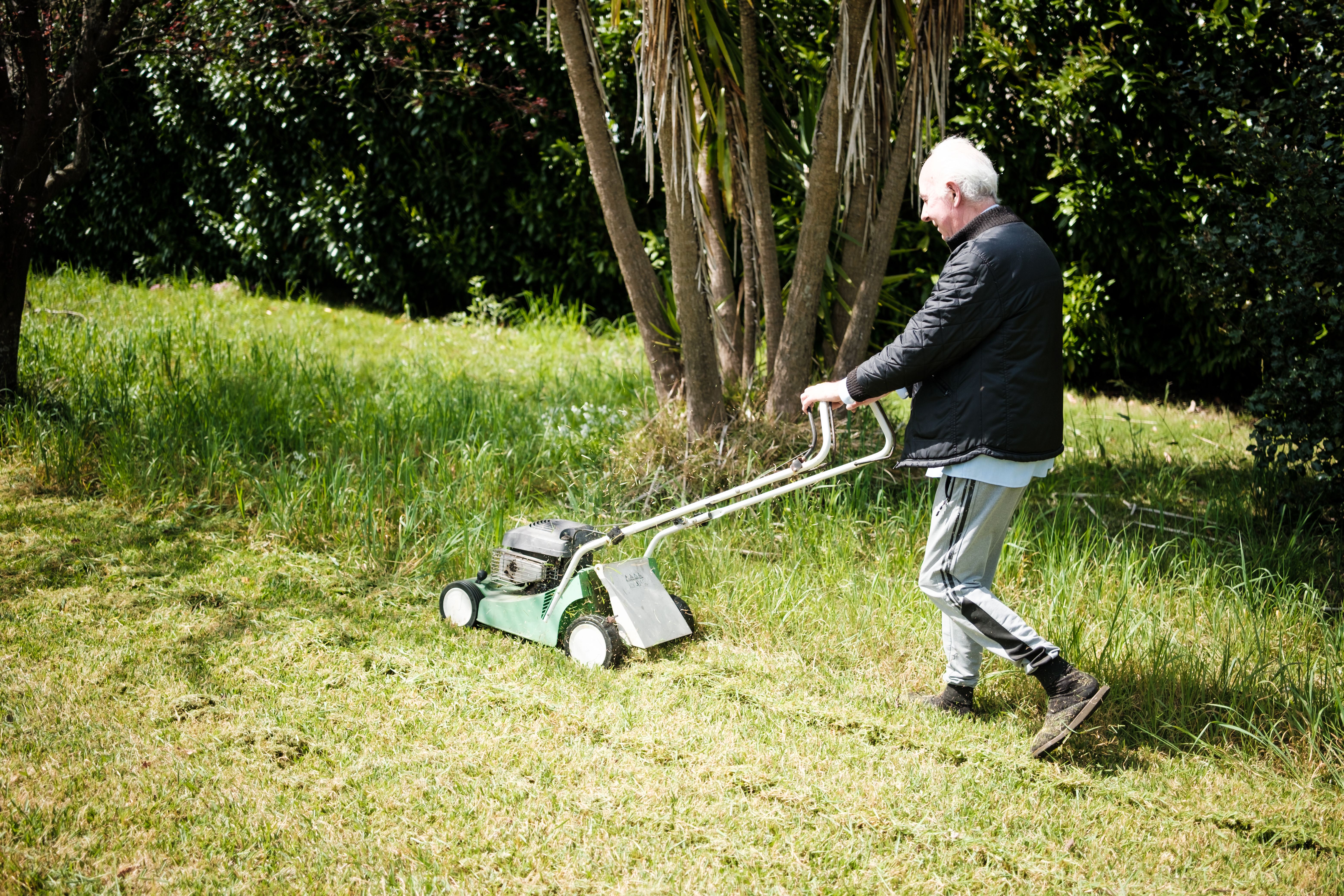
Myth 2: Shorter Grass Means Less Mowing
Many believe that cutting the grass very short reduces the need to mow frequently. However, mowing too low can stress the grass and make it susceptible to pests and diseases. The ideal height varies by grass type but generally should be maintained at around 2.5 to 3 inches for most species.

The Truth About Lawn Fertilization
Myth 3: All Fertilizers are the Same
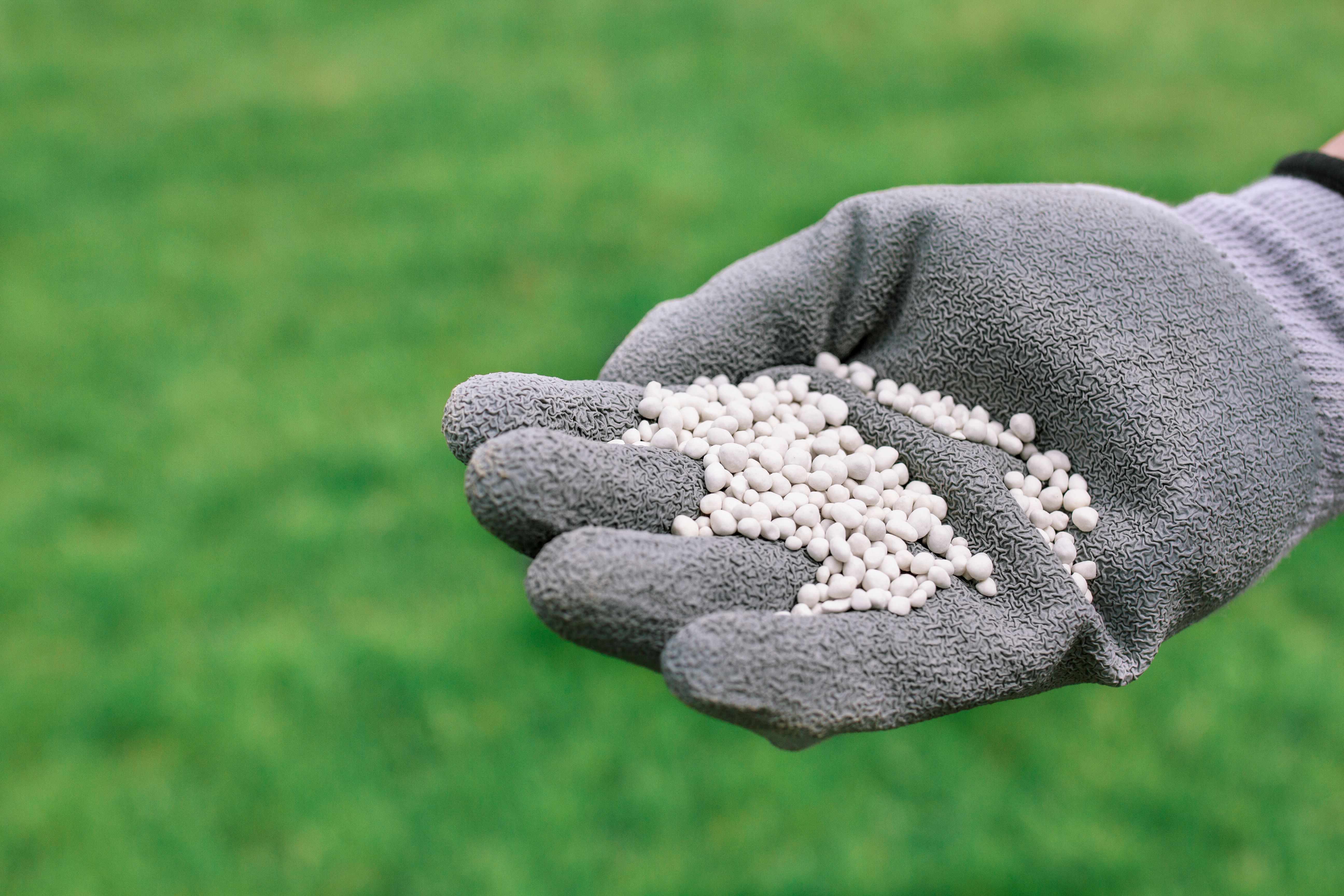
Fertilizers come in various compositions, and not all are suited for every lawn. Understanding the nutrient requirements of your specific grass type is crucial. A soil test can help determine which nutrients are lacking and guide you toward the appropriate fertilizer choice.
Myth 4: More Fertilizer Equals a Greener Lawn
Over-fertilizing can harm your lawn, leading to nutrient burn and pollution of local waterways. It's essential to follow recommended application rates and schedules. More isn't always better when it comes to fertilizer.
Natural Solutions for Lawn Care
Myth 5: Chemical Treatments are Always Necessary
While chemical treatments can be effective, they aren't always necessary for a healthy lawn. Natural methods like aeration, proper mowing techniques, and organic fertilizers can often yield excellent results without the potential side effects of chemicals.
Myth 6: Weeds Are Inevitable
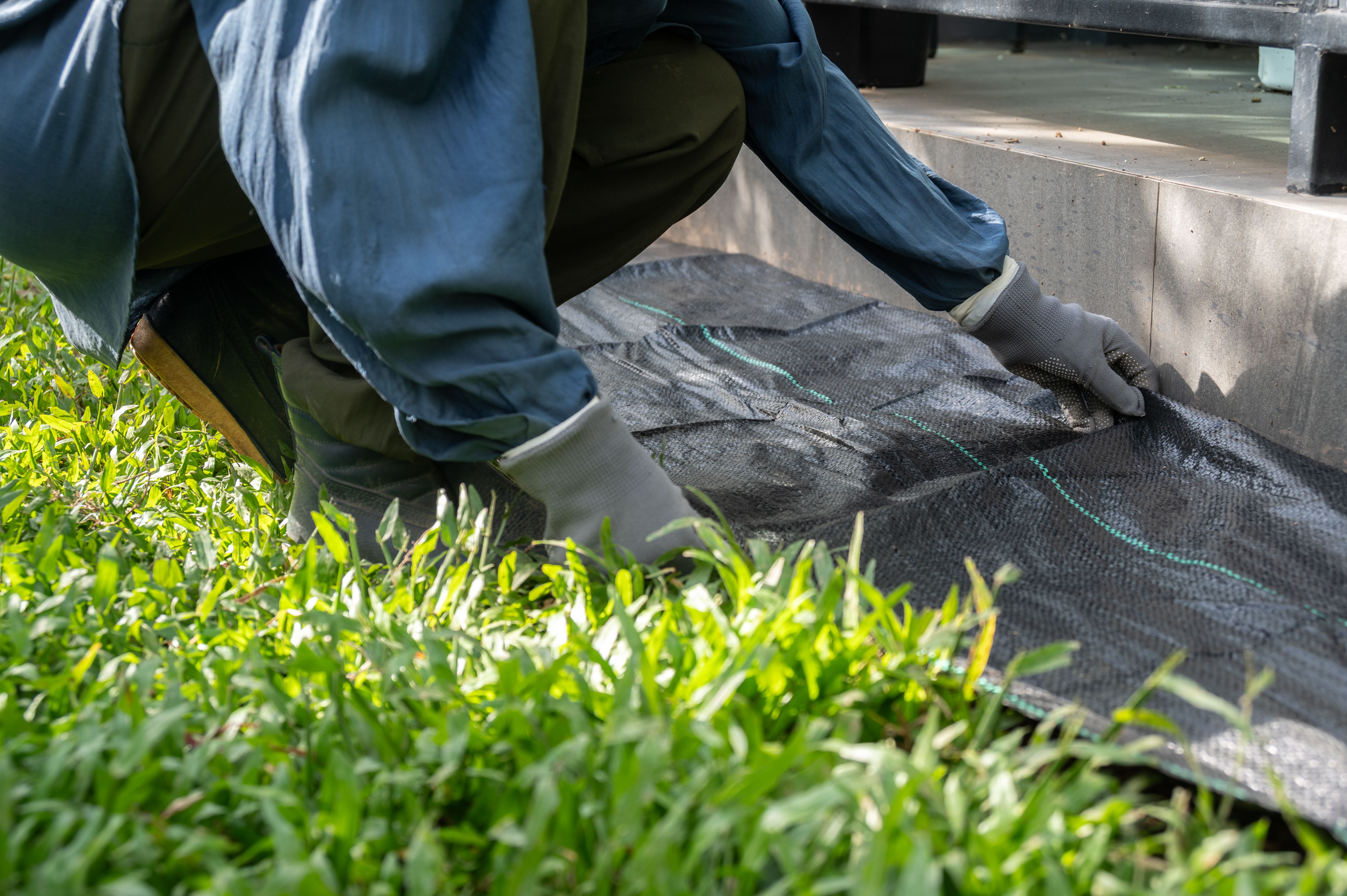
A thick, healthy lawn is the best defense against weeds. Ensuring that your grass receives enough water, nutrients, and sunlight will make it more difficult for weeds to establish themselves. Regular maintenance and proper lawn care habits can significantly reduce weed presence.
Debunking these common myths can help you take better care of your lawn. By focusing on proven methods and understanding the needs of your particular grass type, you'll be well on your way to achieving a lush, vibrant lawn. Remember, a little knowledge goes a long way in lawn care success!