Lawn Care Tips for a Healthy and Green Lawn All Year Round


Understanding Your Lawn
To achieve a lush, green lawn, it's essential to understand the specific needs of your grass type. Different grasses thrive in different climates and soil types. Researching the grass that suits your region and soil will set a solid foundation for your lawn care routine.

Soil Testing and Preparation
Conducting a soil test is crucial to determine the pH and nutrient levels of your soil. Based on the results, you can amend the soil with the necessary nutrients to improve its health. Applying lime can adjust the pH level, while organic compost can enrich the soil with essential nutrients.
Watering Wisely
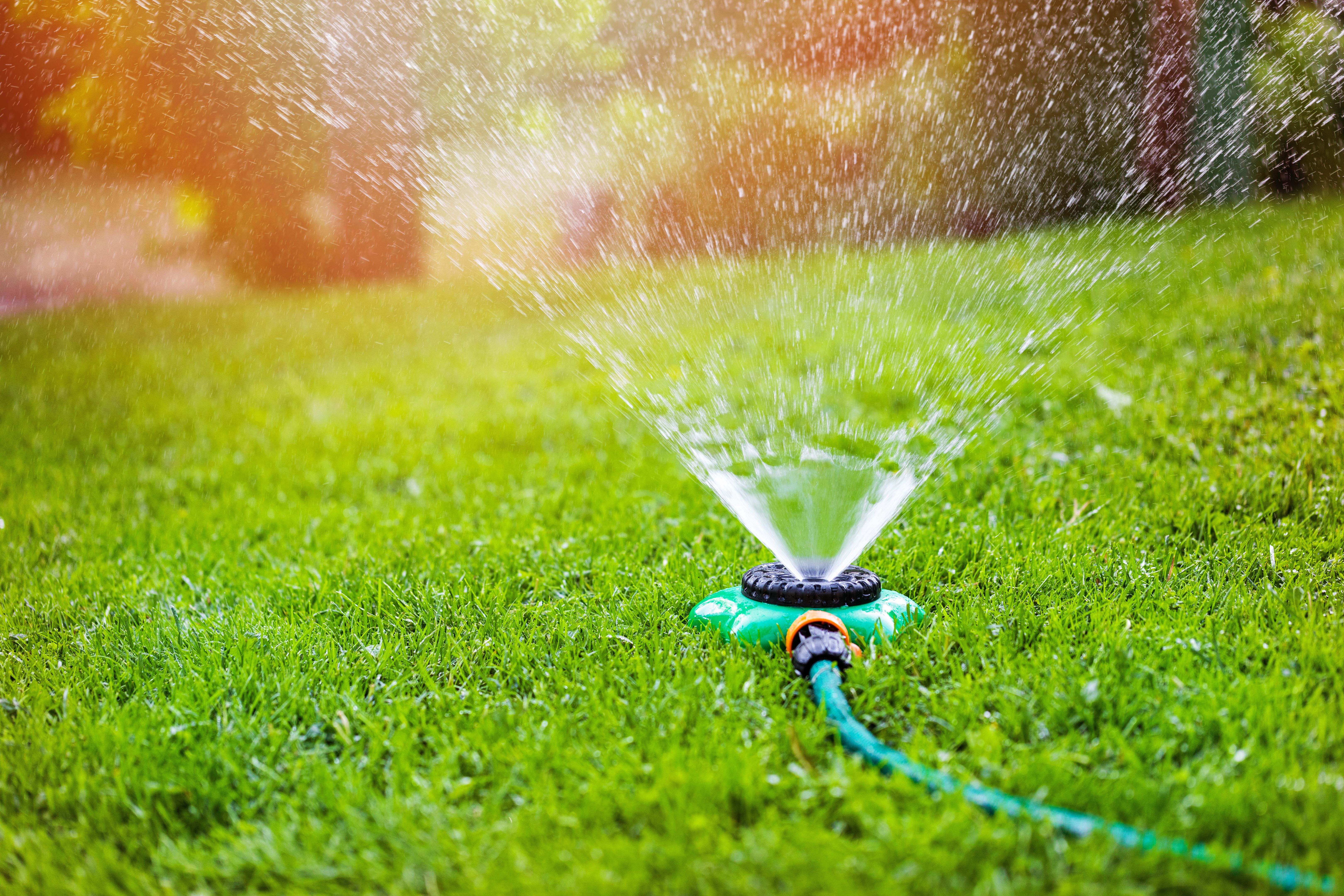
Watering your lawn effectively is key to maintaining its health. It's better to water deeply and infrequently to encourage deep root growth. Early morning is the best time to water, as it reduces evaporation and allows the grass to dry before nightfall, preventing fungal diseases.
Regular Mowing
Regular mowing is essential for a healthy lawn. Keep your mower blades sharp to ensure a clean cut and avoid damaging the grass. Aim to cut no more than one-third of the grass height at a time, as cutting too short can stress the lawn and make it susceptible to weeds and diseases.
Fertilizing for a Nutrient Boost
Fertilizing provides your lawn with the nutrients it needs to thrive. Use a balanced fertilizer that matches your grass type and growing season. Typically, lawns benefit from fertilization in early spring and fall. Avoid fertilizing during droughts, as this can cause more harm than good.

Weed and Pest Control
Weeds and pests can quickly take over a lawn if not managed properly. Regularly inspect your lawn and remove weeds by hand or use a selective herbicide. Natural pest control methods, like encouraging beneficial insects, can help keep harmful pests in check without resorting to harsh chemicals.
Aeration and Overseeding
Aeration involves perforating the soil with small holes to allow air, water, and nutrients to penetrate the roots. This process helps alleviate soil compaction and promotes healthier growth. Overseeding, on the other hand, is the practice of adding new grass seed to existing turf to fill in thin areas and improve the lawn's density.
Seasonal Care
Adjusting your lawn care routine with the seasons ensures year-round health. In winter, minimize foot traffic on frosty grass to prevent damage. In spring, focus on cleaning up debris and preparing the soil. Summer requires diligent watering, while fall is perfect for aeration and fertilization.

By following these tips and adjusting your lawn care practices according to the season and grass type, you can enjoy a healthy and vibrant lawn all year round. Consistency and attention to detail are the keys to a thriving outdoor space.