Preparing Your Home for Summer: Essential Pressure Washing Tips


Why Pressure Wash Your Home for Summer?
As the summer months approach, it's time to give your home the fresh look it deserves by removing the dirt and grime accumulated over the year. Pressure washing is a quick, efficient way to clean your home's exterior, making it look brand new. Moreover, pressure washing can prevent damage caused by mold, mildew, and dirt buildup, saving you money on costly repairs in the future.
Choosing the Right Pressure Washer
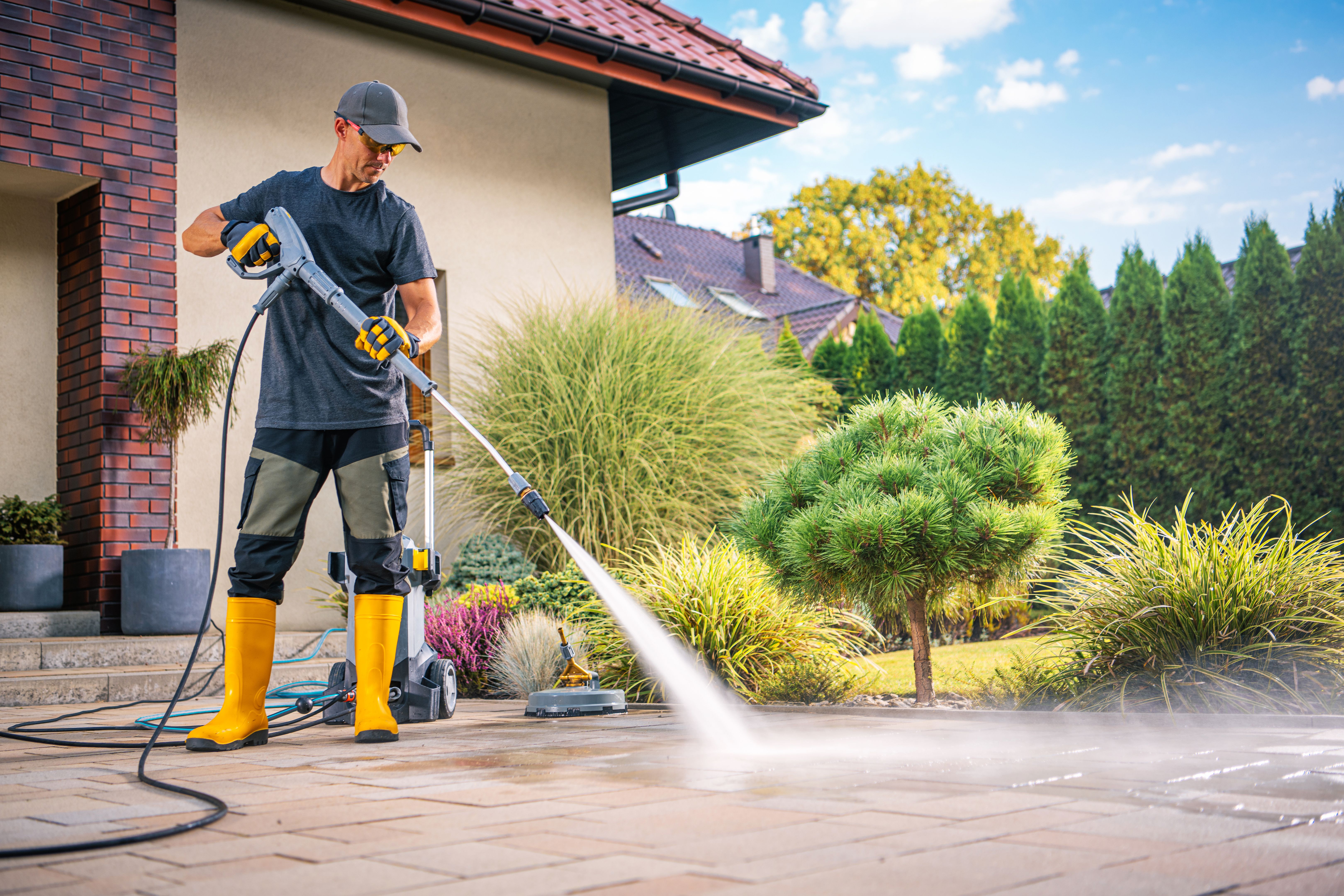
Selecting the right pressure washer is crucial for an effective cleaning process. Consider factors such as the size of your home and the materials of its exterior surfaces. For smaller homes or delicate surfaces, an electric pressure washer may suffice. However, for larger homes or tougher grime, a gas-powered pressure washer provides more power and efficiency.
Before purchasing or renting a pressure washer, check the pressure rating. Measured in PSI (pounds per square inch), this rating indicates the force of water flow from the machine. Residential cleaning usually requires a PSI between 1,500 and 3,000.
Preparing Your Home for Pressure Washing
Proper preparation ensures a smooth and effective cleaning process. Begin by removing any obstacles such as outdoor furniture, potted plants, or decorations that may be in the way. Close windows and doors tightly to prevent water from seeping inside.

Protect any electrical fixtures or outlets by covering them with plastic sheeting or waterproof tape. If you have landscaping near your home's exterior, consider covering it with a tarp to shield it from water and detergent runoff.
Safety Tips for Pressure Washing
Safety should be a priority when operating a pressure washer. Always wear protective gear such as goggles, gloves, and sturdy footwear to shield yourself from flying debris and water splashes. Make sure to read the manufacturer's instructions carefully before use.
- Maintain a safe distance: Keep at least 6 feet away from the surface you're cleaning to avoid damaging it.
- Avoid electrical hazards: Be cautious around power lines and electrical outlets.
- Test on a small area: Before starting, test the pressure washer on a small area to ensure it doesn't damage the surface.
Effective Cleaning Techniques
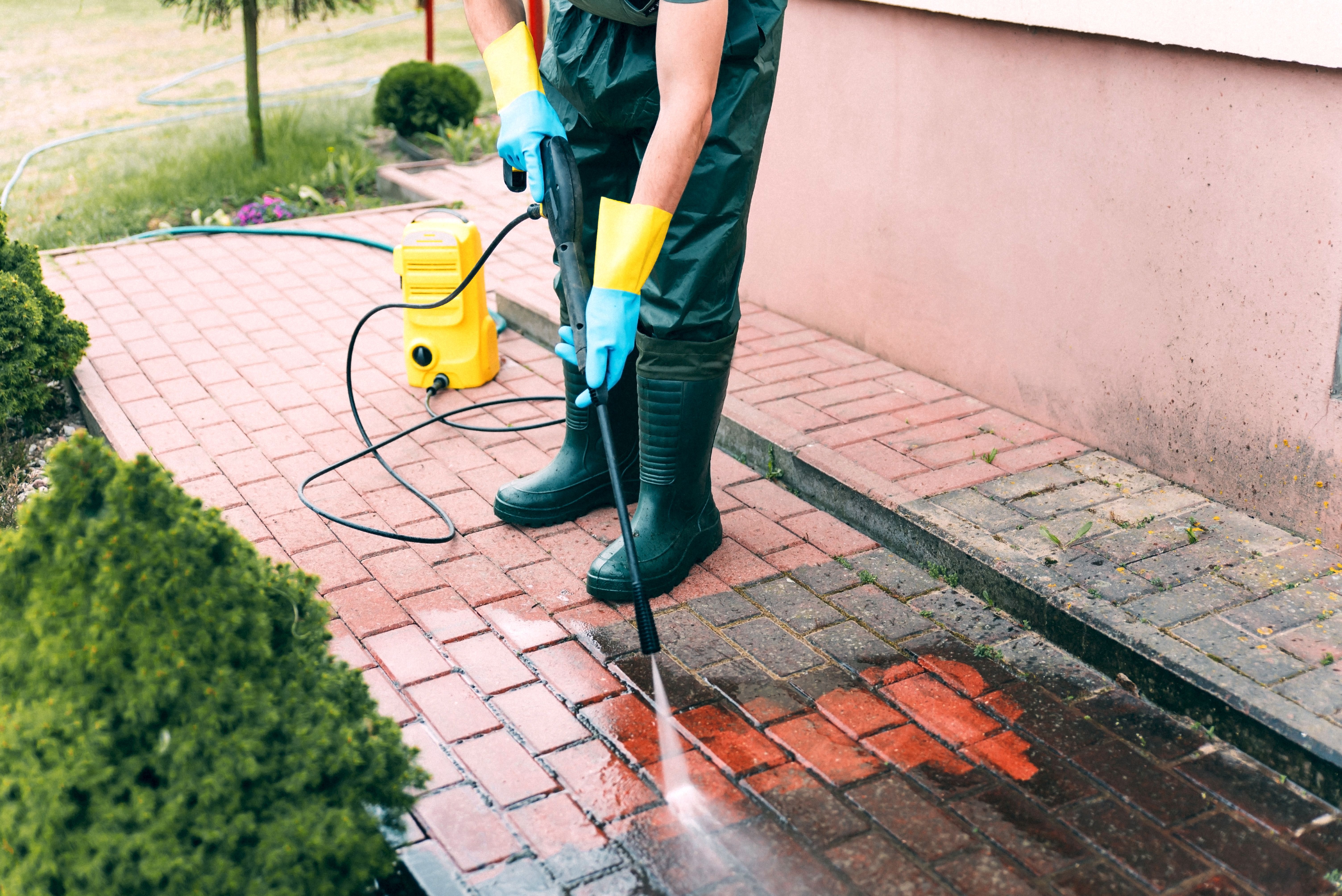
To achieve optimal results, use the appropriate nozzle for each task. A nozzle with a narrow spray pattern is ideal for removing stubborn stains, while a wider pattern is suitable for general cleaning. Move in a consistent, sweeping motion to prevent streaks and ensure even coverage.
For areas with heavy buildup, apply a detergent specifically designed for pressure washing. Allow it to sit for a few minutes before rinsing with clean water. This will help break down grime and make the cleaning process more efficient.
Post-Cleaning Maintenance
After pressure washing, take some time to inspect your home's exterior for any damage or areas that require additional attention. Repair any chipped paint or damaged siding to maintain your home's appearance and structural integrity.
Regular maintenance can extend the time between pressure washing sessions. Consider trimming trees and shrubs near your home to reduce debris buildup and ensure proper drainage to prevent mold growth.