Preparing Your Lawn for Spring: A Step-by-Step Guide


Understanding Your Lawn's Needs
As the winter frost begins to melt away, it's time to turn your attention to preparing your lawn for the spring season. A lush, green lawn doesn't just happen overnight; it requires careful planning and consistent maintenance. Understanding your lawn's specific needs is the first step in ensuring it thrives in the upcoming months.
Lawn care involves several factors, including the type of grass, soil condition, and climate. Each of these elements plays a crucial role in determining the best approach to nurturing your lawn back to health after a long winter. By recognizing these needs, you can tailor your spring preparation efforts to ensure optimal growth and vitality.
Clearing Debris and Thatch
The first task in preparing your lawn for spring is to clear away any debris that has accumulated over the winter months. Fallen branches, leaves, and other organic matter can prevent sunlight and air from reaching the grass blades. This debris can also lead to disease and pest infestations.
Raking is an effective way to remove surface debris and thatch, a layer of dead grass and roots that can suffocate your lawn. Using a sturdy rake, gently work through your lawn to lift and remove this material. This process not only tidies up your yard but also encourages air circulation and promotes healthy growth.
Testing and Amending the Soil
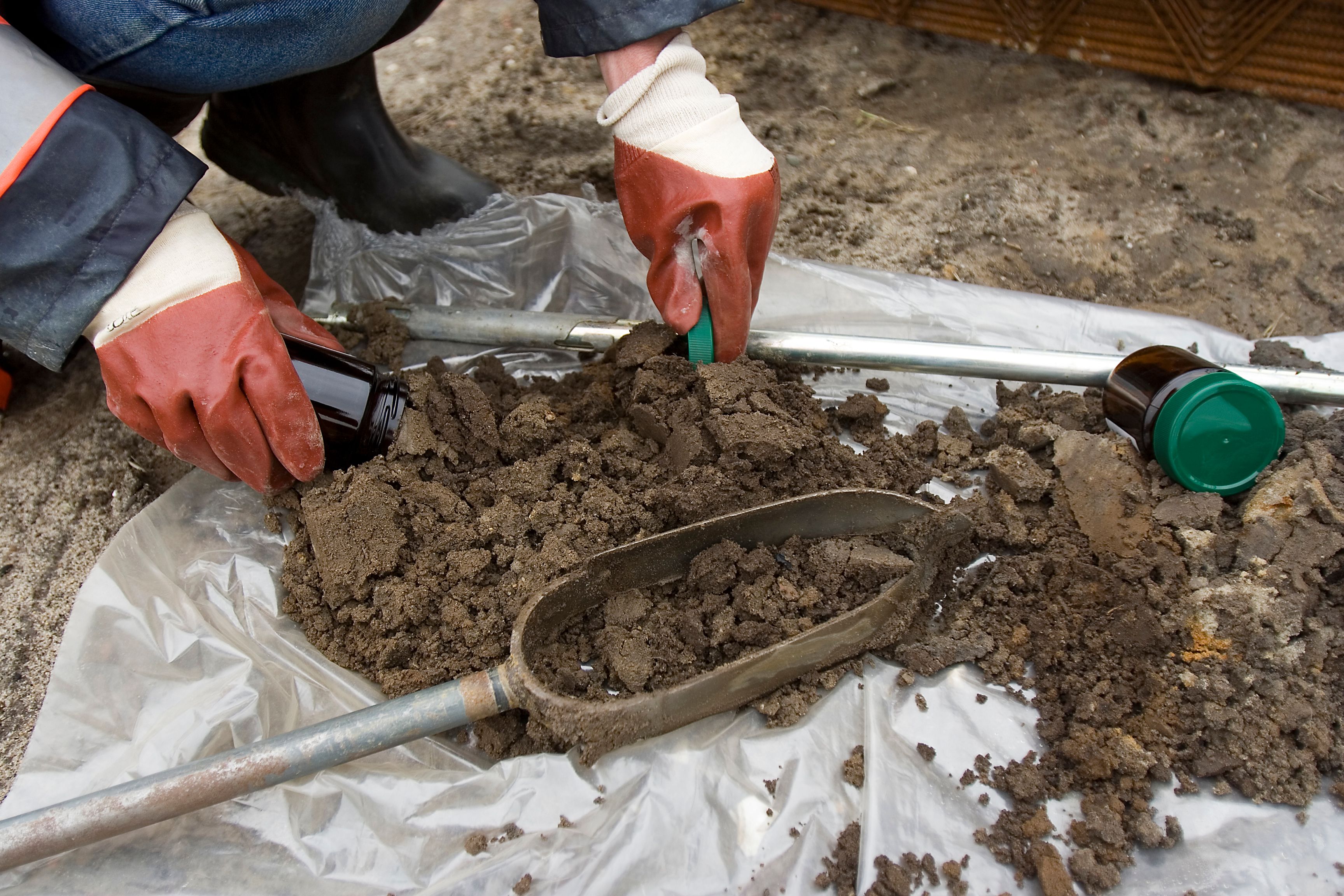
Once your lawn is clear of debris, it's important to test your soil's pH levels. Healthy grass typically thrives in soil with a pH between 6.0 and 7.0. You can purchase a simple soil testing kit from a garden center or consult with a local extension service for a more comprehensive analysis.
If your soil pH is off balance, amendments may be necessary. For acidic soil, adding lime can help raise the pH, while sulfur can lower it in alkaline soil. In addition to pH adjustments, consider enriching the soil with organic matter like compost or well-rotted manure. These amendments improve soil structure and provide essential nutrients.
Aerating the Lawn
Aeration is a vital step in promoting lawn health, especially if your soil tends to be compacted. Aerating involves perforating the soil with small holes to allow air, water, and nutrients to penetrate deep into the root zone. This process helps alleviate compaction and encourages robust root growth.
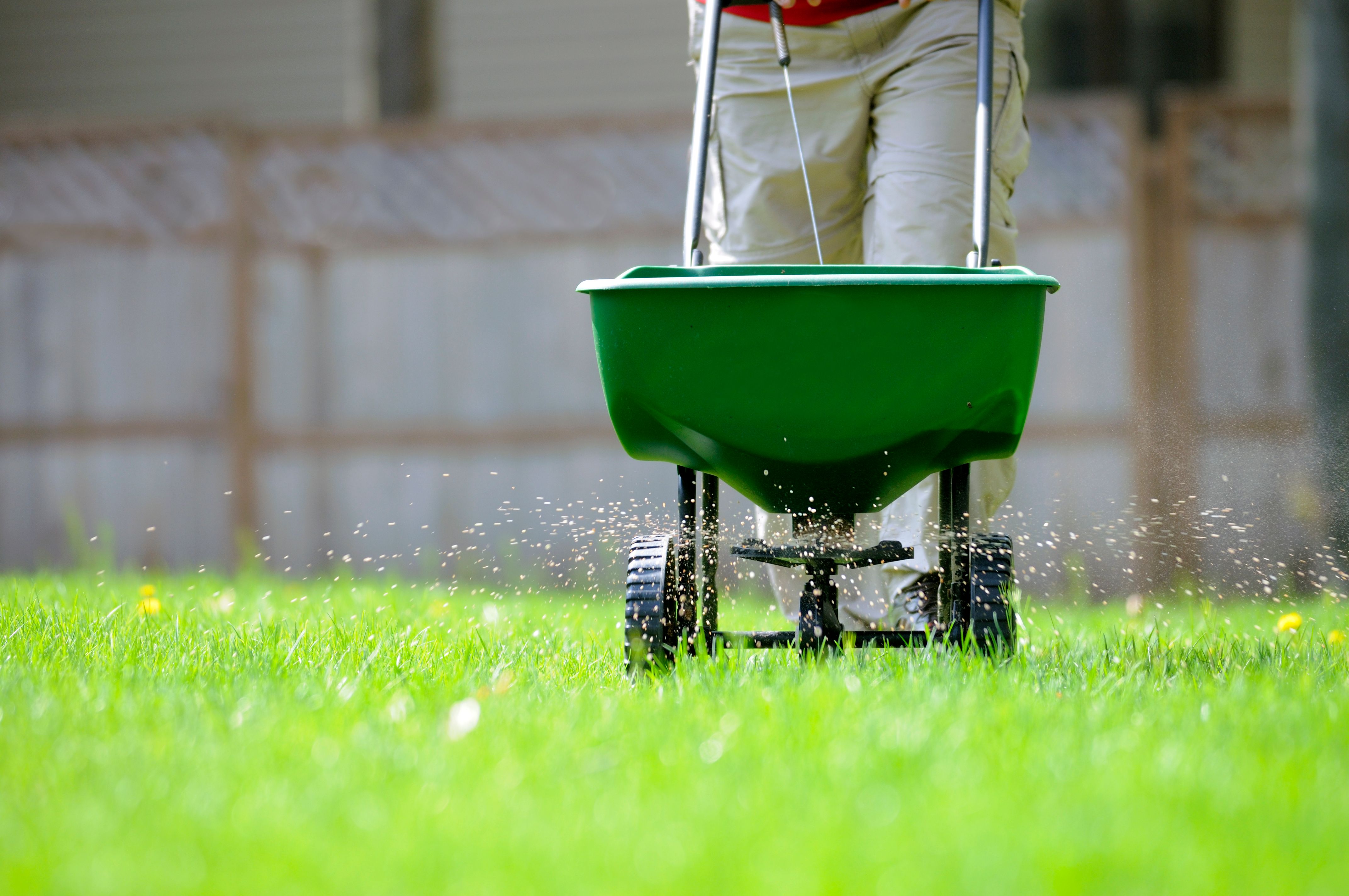
There are various tools available for aerating your lawn, from manual aerators to motorized machines. The best time to aerate is during early spring when grass begins its growth cycle. After aeration, consider overseeding thin areas with grass seed to fill in bare spots and ensure an even, lush appearance.
Feeding and Watering
Once your lawn is aerated and seeded, it's time to focus on feeding and watering. A balanced fertilizer applied in early spring provides essential nutrients that support the lush growth of new grass blades. Look for fertilizers with a mix of nitrogen, phosphorus, and potassium.
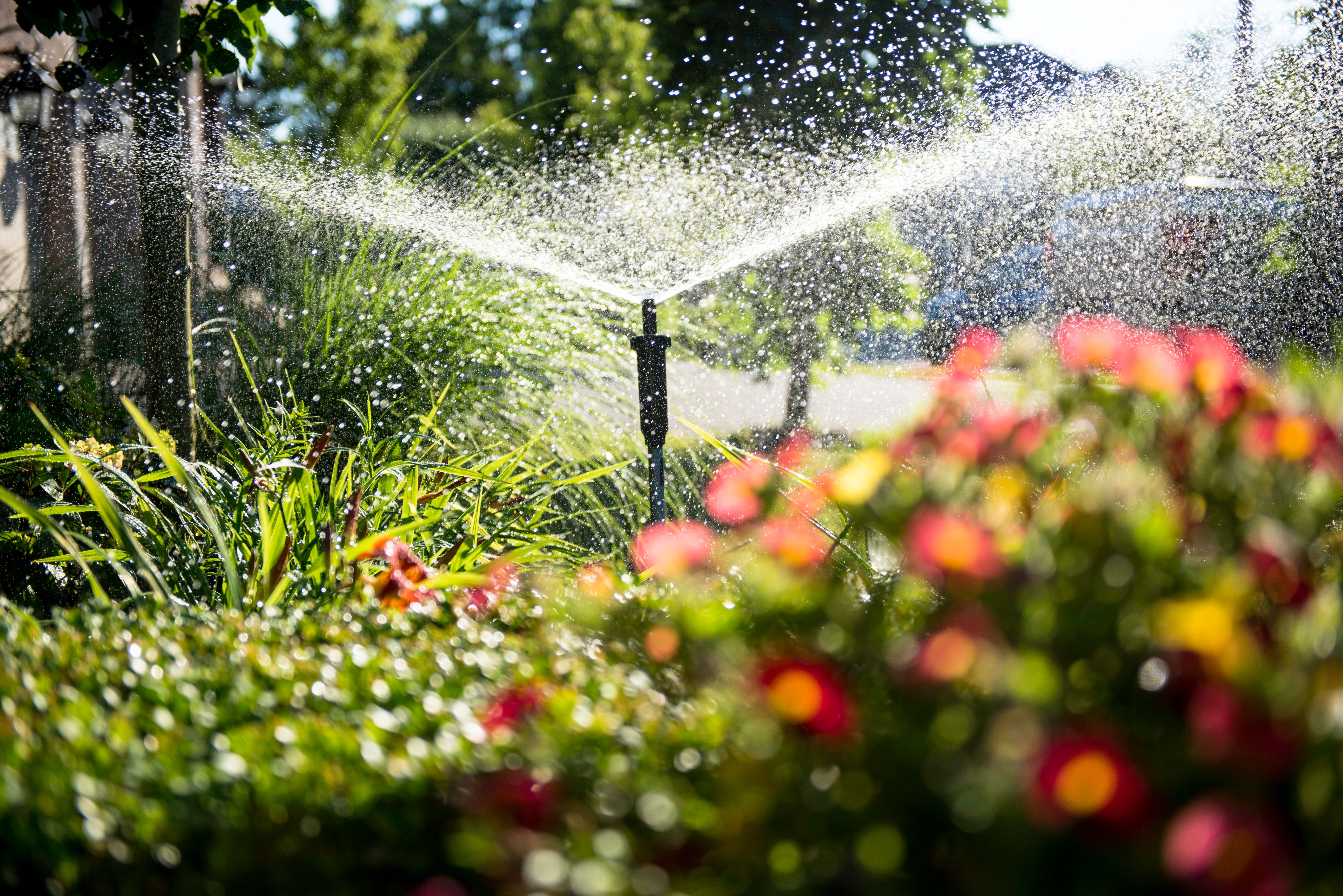
Watering is equally important. As temperatures rise, ensure your lawn receives adequate moisture. It's best to water deeply but infrequently, encouraging roots to grow deeper into the soil. Watering in the early morning reduces evaporation and maximizes water absorption.
Maintaining Your Lawn's Health
After completing these preparatory steps, ongoing maintenance will keep your lawn in top condition as spring progresses. Regular mowing ensures that grass blades are kept at an optimal height for photosynthesis and growth. Sharpen mower blades before the season starts to achieve clean cuts.
Monitor for pests and diseases throughout the season, as early detection and intervention can prevent more significant problems later on. Consider natural pest control methods or consult with professionals if you encounter persistent issues.
With careful preparation and consistent care, your lawn will not only survive but thrive during the spring season. By following these steps, you'll be on your way to enjoying a beautiful outdoor space that enhances the beauty of your home.