Preparing Your Lawn for Spring: A Step-by-Step Guide


Understanding Your Lawn's Needs
Spring is the perfect time to rejuvenate your lawn after the harsh winter months. To ensure a lush and vibrant lawn, it's essential to understand its specific needs. Assess the soil type, grass species, and existing conditions to tailor your approach effectively.
A soil test can be particularly helpful in identifying nutrient deficiencies and pH levels. This information will guide you in selecting the right fertilizers and amendments. Remember, a well-prepared lawn is the foundation for healthy growth.

Clearing Debris and Thatch
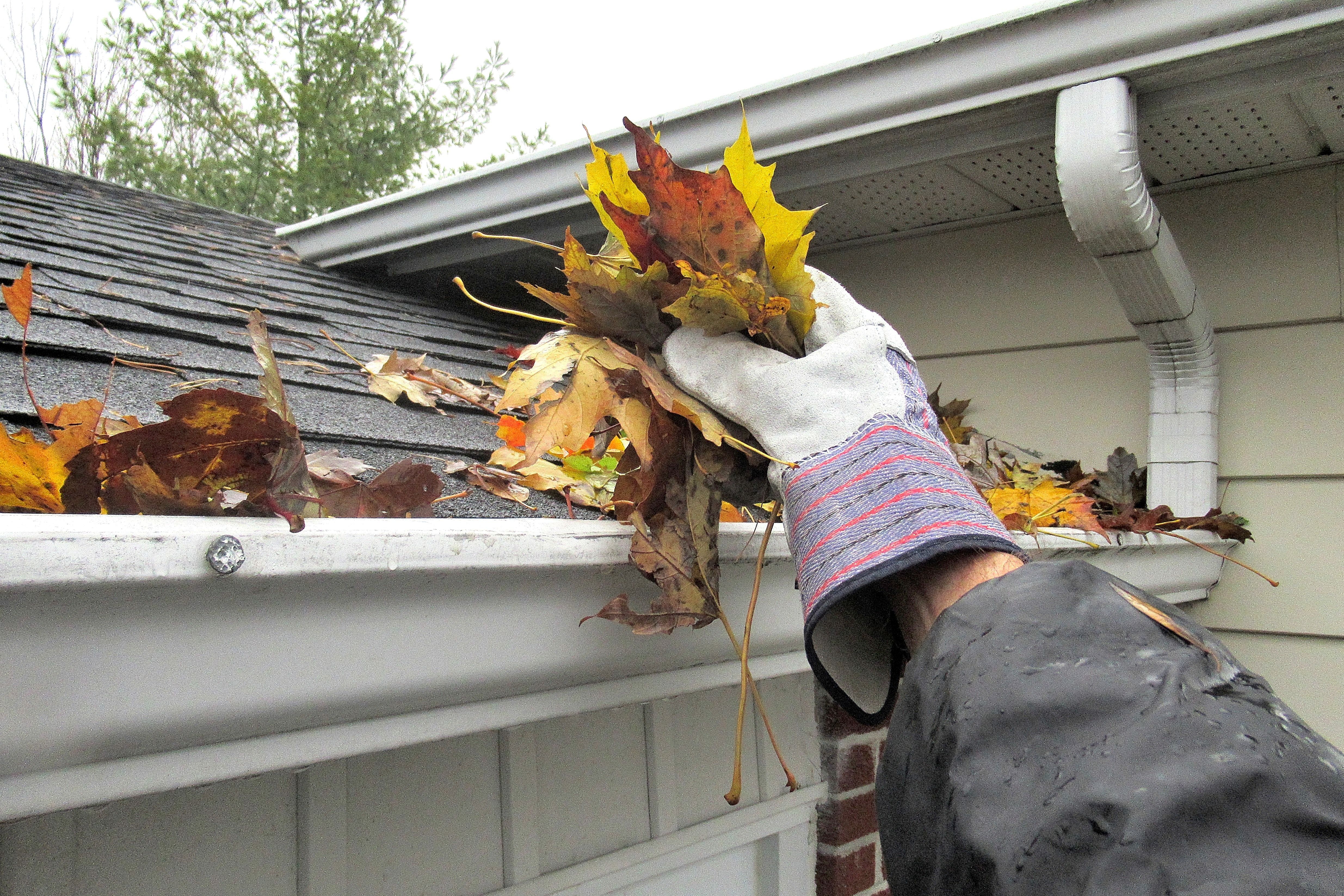
Before new growth begins, clear your lawn of debris such as leaves, twigs, and dead grass. This step aids in preventing disease and allows sunlight and nutrients to reach the grassroots. Use a rake or a leaf blower for efficient cleanup.
Thatch, a layer of dead grass and roots, can hinder water and nutrient absorption if it becomes too thick. Dethatch your lawn with a specialized rake or machine to promote healthier growth.
Aerating the Soil
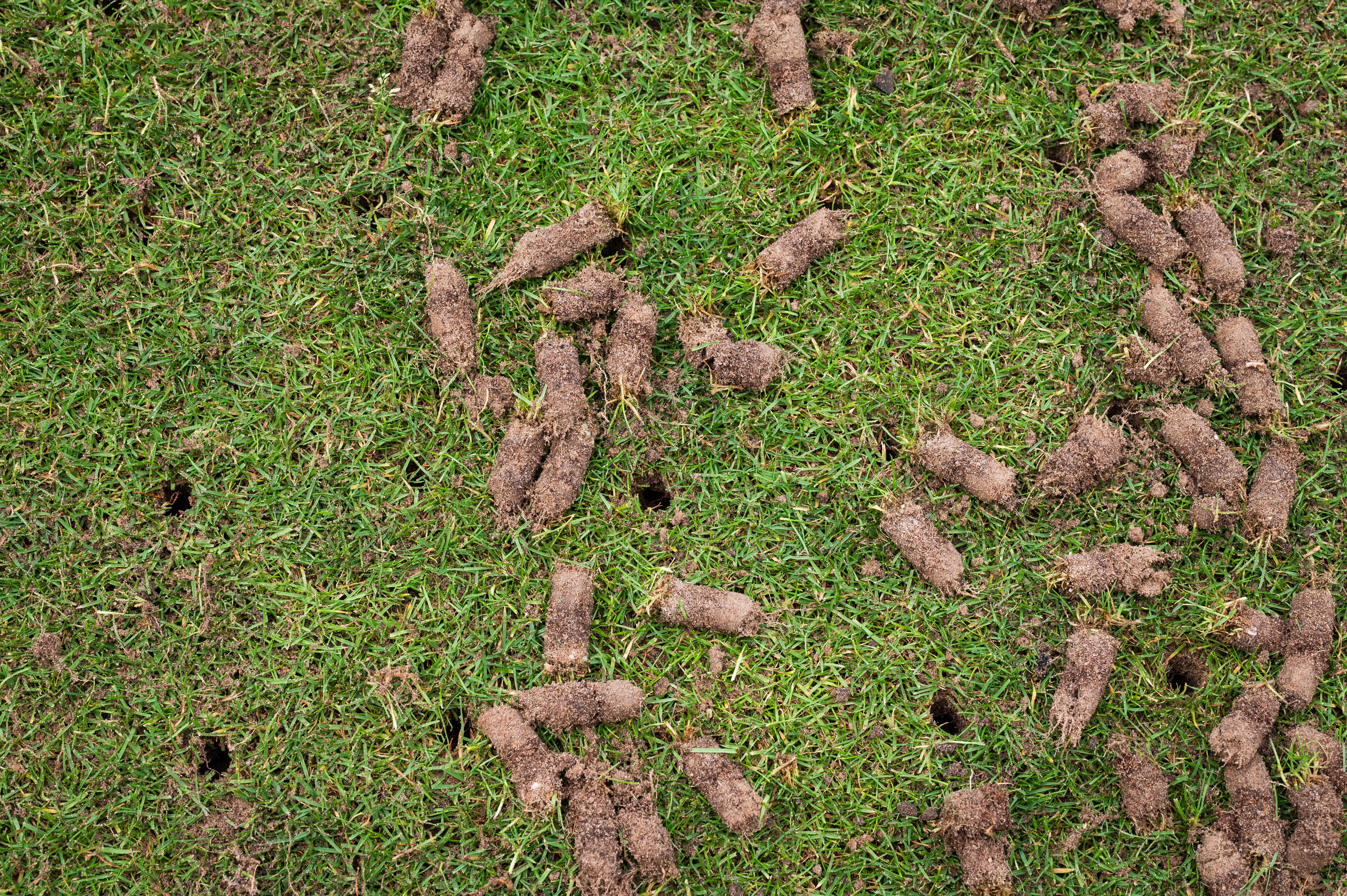
Aeration is crucial for compacted soils, as it allows air, water, and nutrients to penetrate the soil more effectively. This process involves making small holes in the lawn to relieve soil compaction and promote root growth.
Consider aerating your lawn if it's prone to heavy foot traffic or if water tends to pool in certain areas. Spring is an ideal time for aeration, setting the stage for robust grass growth.
Overseeding for a Full Lawn
If your lawn has bare spots or thin areas, overseeding can help. By spreading grass seed over existing turf, you introduce new grass varieties that can improve the lawn's density and resilience.
Choose a seed blend that matches your current grass type and climate conditions. Ensure good seed-to-soil contact by lightly raking the area after seeding.
Fertilizing for Optimal Growth
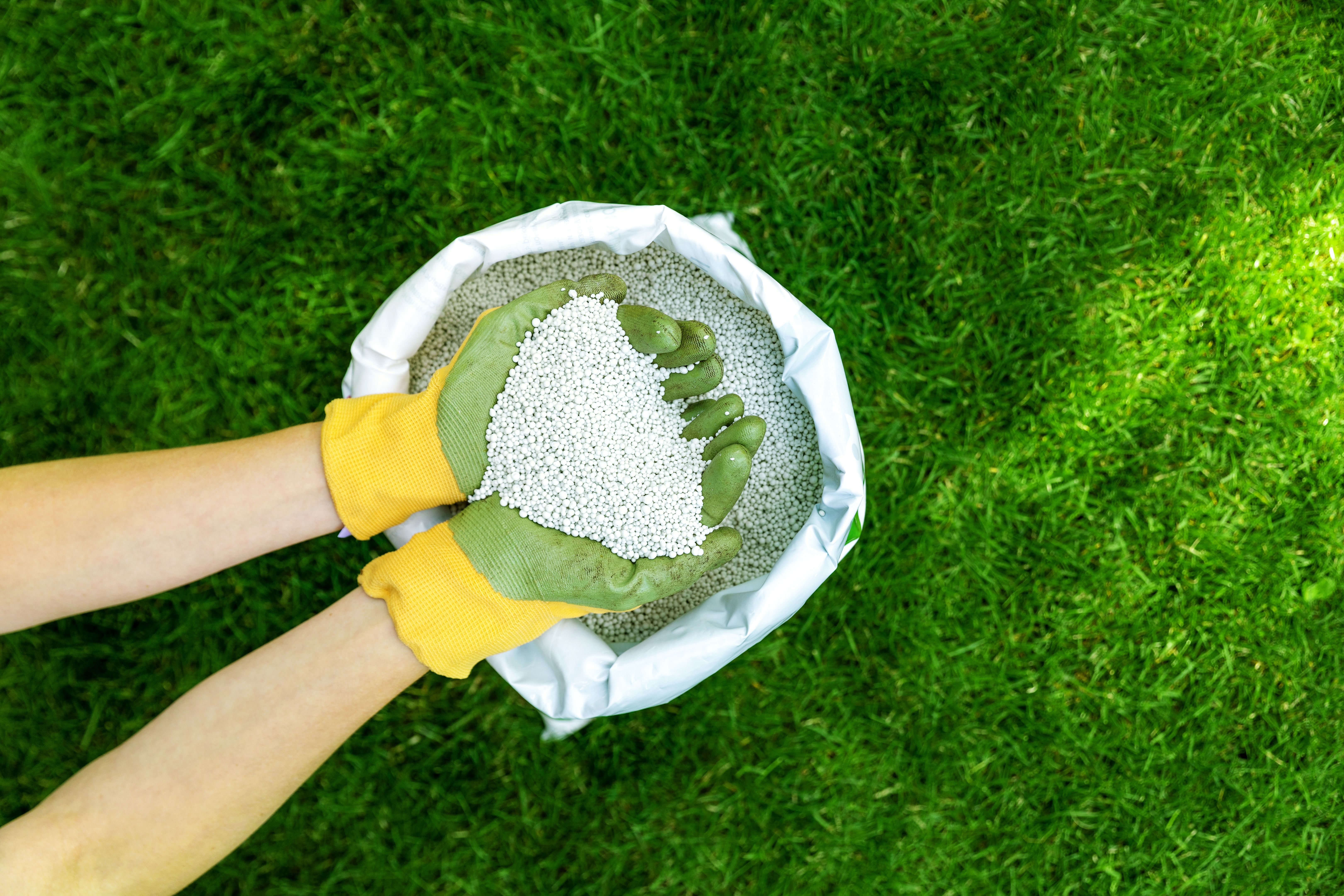
Fertilizing provides the nutrients your lawn needs to thrive. A balanced fertilizer with nitrogen, phosphorus, and potassium is generally recommended. Apply it evenly across the lawn, following the manufacturer's instructions.
Timing is crucial—early spring fertilization supports root development and prepares the lawn for the growing season ahead.
Watering Wisely
Proper watering practices are essential for a healthy lawn. Aim to water deeply and infrequently, encouraging deep root growth. Early morning is the best time to water, reducing evaporation and fungal growth.
Adjust your watering schedule based on rainfall and temperature to prevent overwatering or drought stress.
Final Touches
As your lawn begins to flourish, maintain its health with regular mowing. Keep the mower blades sharp and avoid cutting more than one-third of the grass height at a time. This practice encourages strong growth and prevents stress.
With these steps, your lawn will be well-prepared to enjoy the beauty and vibrancy of spring.