Preparing Your Lawn for Winter: Essential Tips and Tricks


Understanding Your Lawn's Needs
As the colder months approach, it's important to consider how to prepare your lawn for winter. Proper preparation can make a significant difference in how your grass looks and grows when spring arrives. Understanding your lawn's specific needs based on its type and your regional climate is the first step in ensuring its health through the winter.
Different grass types require different care techniques. Cool-season grasses like fescue and rye thrive in cooler temperatures, while warm-season grasses like Bermuda and St. Augustine need extra care as temperatures drop. Knowing what kind of grass you have will help you tailor your winter preparation plan effectively.

Essential Lawn Care Practices
Fall Fertilization
Fertilizing your lawn in the fall is crucial for promoting root growth during the dormant winter months. Applying a slow-release, high-potassium fertilizer helps strengthen the grass roots, making them more resilient to cold weather. Choose a fertilizer specifically formulated for fall applications to ensure optimal results.
Aeration and Overseeding
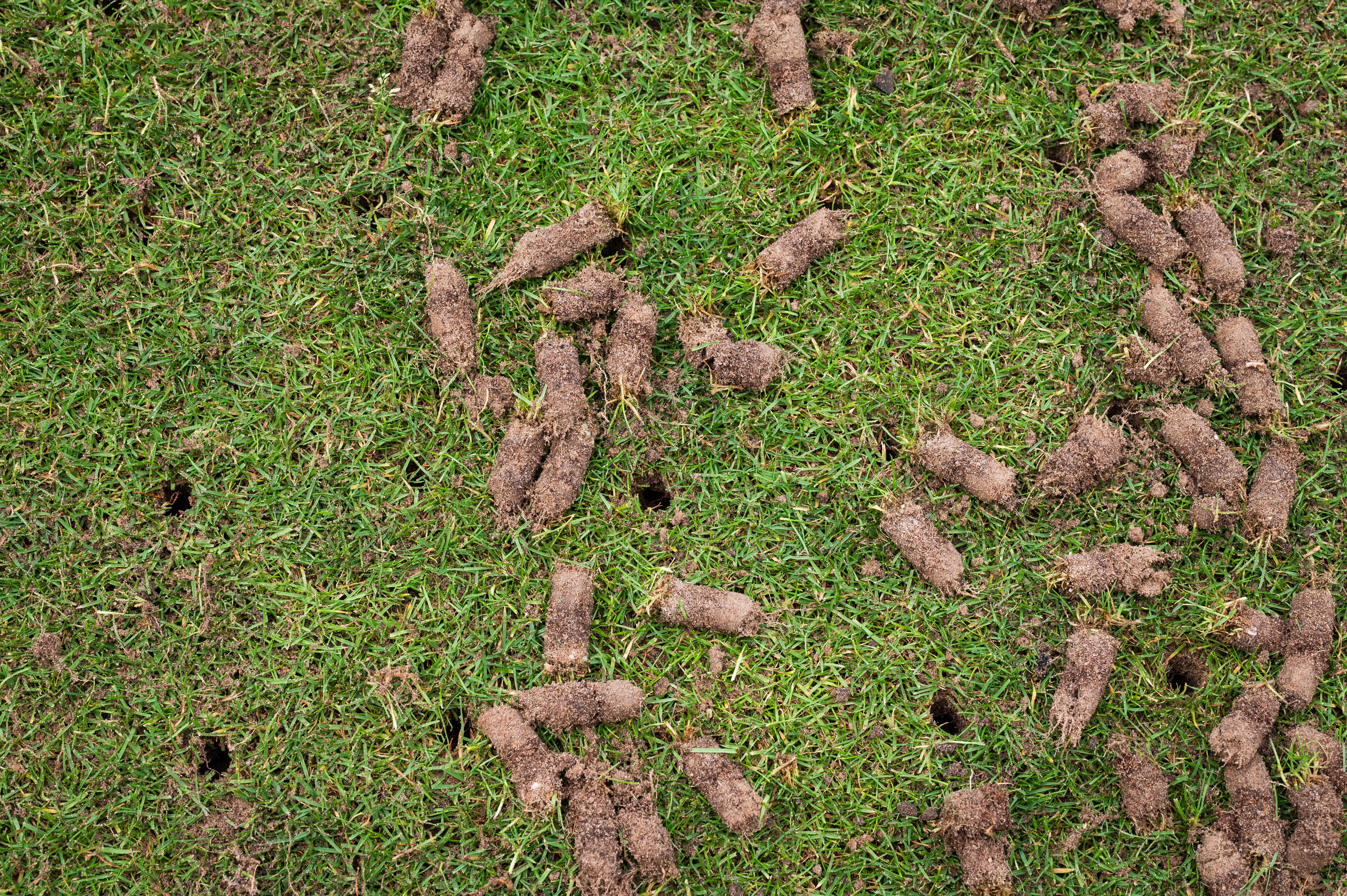
Aerating your lawn helps improve air exchange, water absorption, and nutrient uptake. It’s an essential practice for relieving soil compaction and promoting healthy root development. After aerating, overseeding can fill in bare patches and improve the density of your lawn, which helps it withstand harsh winter conditions.
Maintaining Lawn Health
Leaf Management
Fallen leaves can suffocate your lawn if left unchecked. Regularly raking or mulching leaves ensures they don’t block sunlight or trap moisture, which can lead to disease and damage. Mulching leaves with a mower is a great way to return organic matter to the soil, enhancing its overall health.
Mowing Practices
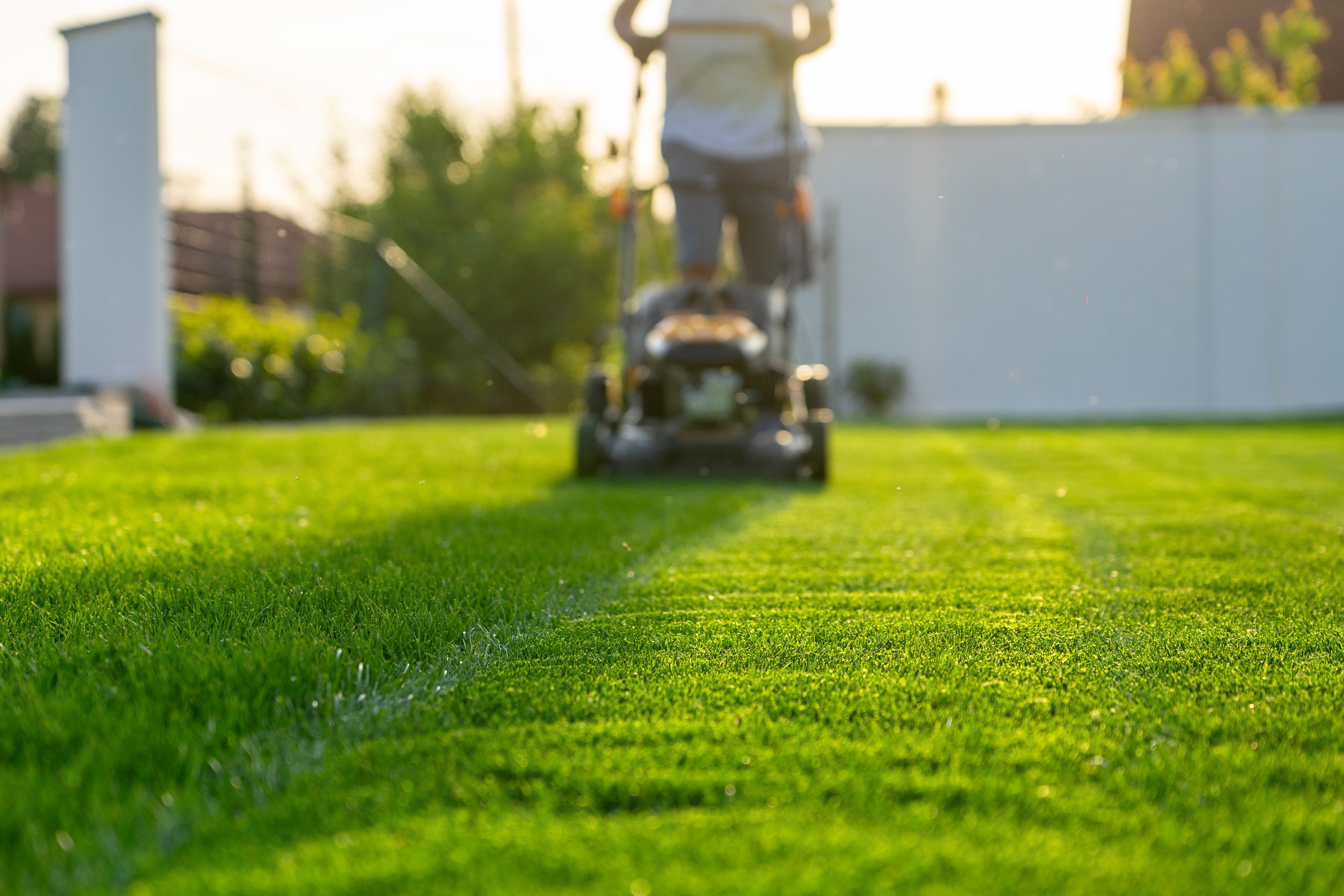
As temperatures drop, adjust your mowing height to leave the grass slightly longer than usual. This provides more insulation against frost and helps retain moisture. However, avoid cutting more than one-third of the grass blade at a time to prevent stress on the lawn.
Preparing for Winter Weather
Watering Adjustments
While watering needs decrease as temperatures fall, it’s important not to stop watering entirely until the ground freezes. Maintaining adequate soil moisture helps prevent winter desiccation, where grass loses moisture due to cold winds. Water deeply but infrequently to encourage deep root growth.
Protecting Vulnerable Areas
Areas of your lawn that experience heavy foot traffic or are prone to damage may need extra protection. Consider using a protective cover or temporary fencing to keep these spots safe from wear and tear. This proactive approach can make a big difference in maintaining your lawn's health through winter.
By following these essential tips and tricks, you can ensure that your lawn emerges from winter looking lush and vibrant. Taking the time to prepare now will save you effort in the spring and keep your grass healthy year-round.