Pressure Washing vs. Soft Washing: What's the Difference?


Understanding Pressure Washing
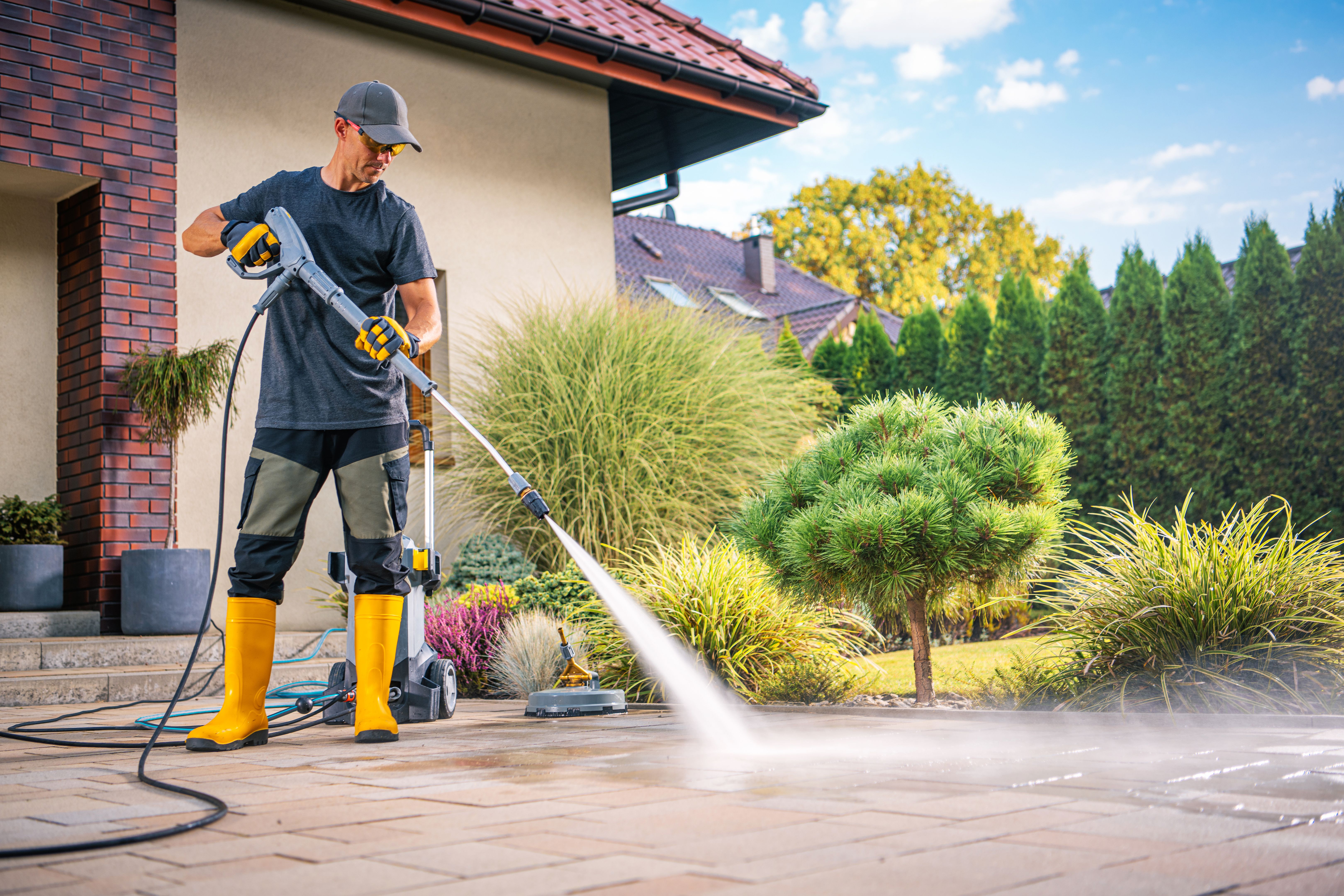
Pressure washing is a popular cleaning technique that utilizes high-pressure water spray to remove dirt, mold, grime, dust, and other debris from surfaces. This method is particularly effective for cleaning hard surfaces like concrete driveways, sidewalks, and brick walls. The high pressure can reach deep into crevices, delivering a thorough clean.
One of the key benefits of pressure washing is its ability to effectively remove stubborn stains and buildup. Whether you're dealing with oil stains on the driveway or moss on a brick path, pressure washing can restore surfaces to their original condition. However, the intensity of the water pressure can sometimes lead to damage if not used carefully.
Exploring Soft Washing
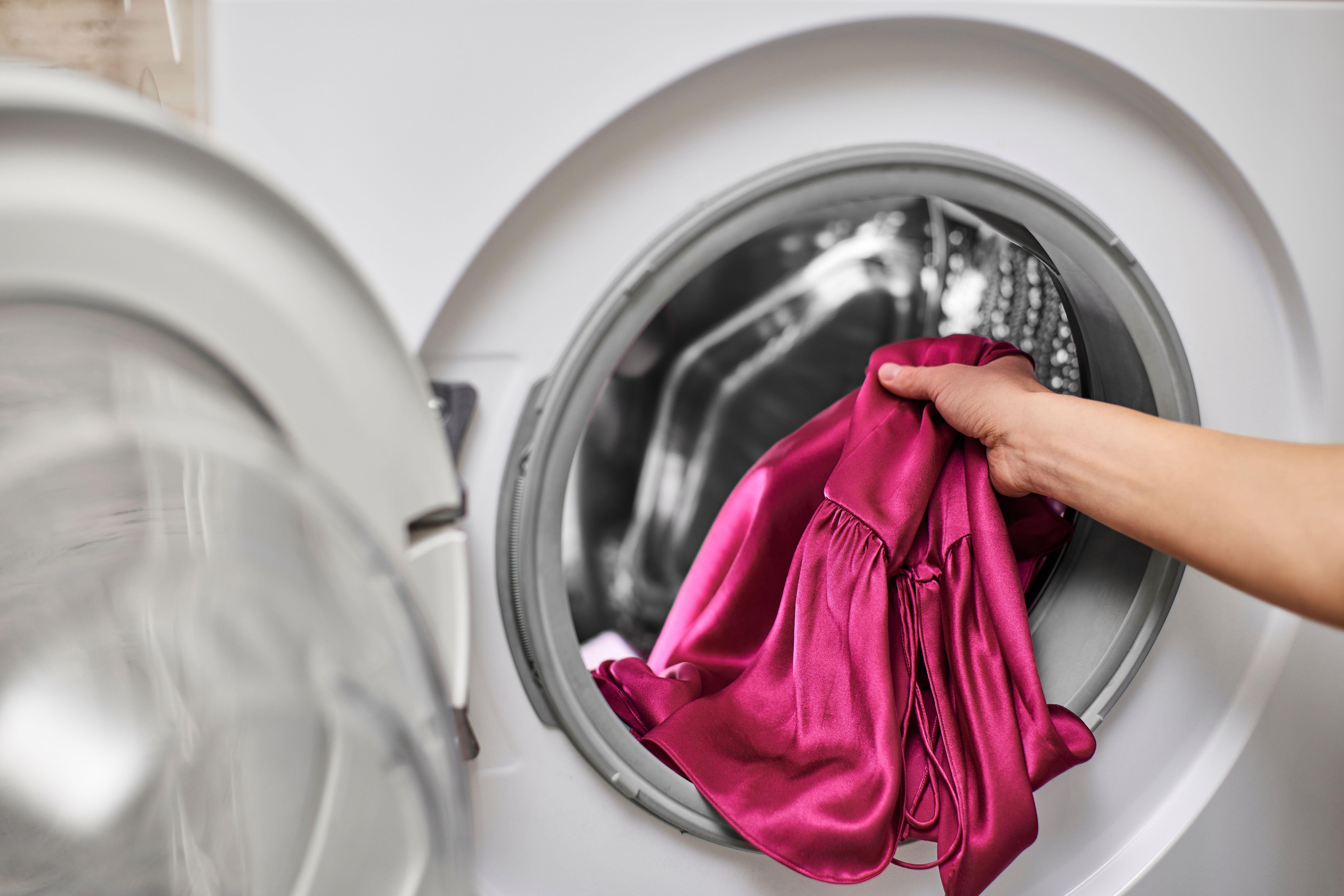
Soft washing, on the other hand, uses a low-pressure water spray combined with specialized cleaning solutions. This method is designed to clean surfaces more gently, making it suitable for delicate materials like vinyl siding, wood, and roof shingles. The cleaning solutions used in soft washing break down dirt and organic growth, which are then washed away with a gentle rinse.
Soft washing is particularly effective for removing algae, mold, and mildew, especially on surfaces that could be damaged by the high pressure of traditional pressure washing. This method not only cleans but also sanitizes the surface, providing long-lasting results.
Choosing the Right Method for Your Needs
When deciding between pressure washing and soft washing, consider the type of surface you need to clean. For durable surfaces that can withstand high pressure, pressure washing may be the optimal choice. However, for more delicate surfaces, soft washing is often the safer and more effective method.
Additionally, consider the type of dirt or growth you are dealing with. For example, if you need to remove hard, encrusted dirt or stains, pressure washing might be more effective. Conversely, if you are dealing with organic growth like mold or algae, soft washing could provide better results.
Environmental and Safety Considerations
Both pressure washing and soft washing come with environmental considerations. Soft washing is generally more eco-friendly due to the lower water usage and biodegradable cleaning solutions. Pressure washing might use more water but can be effective without the need for chemicals.
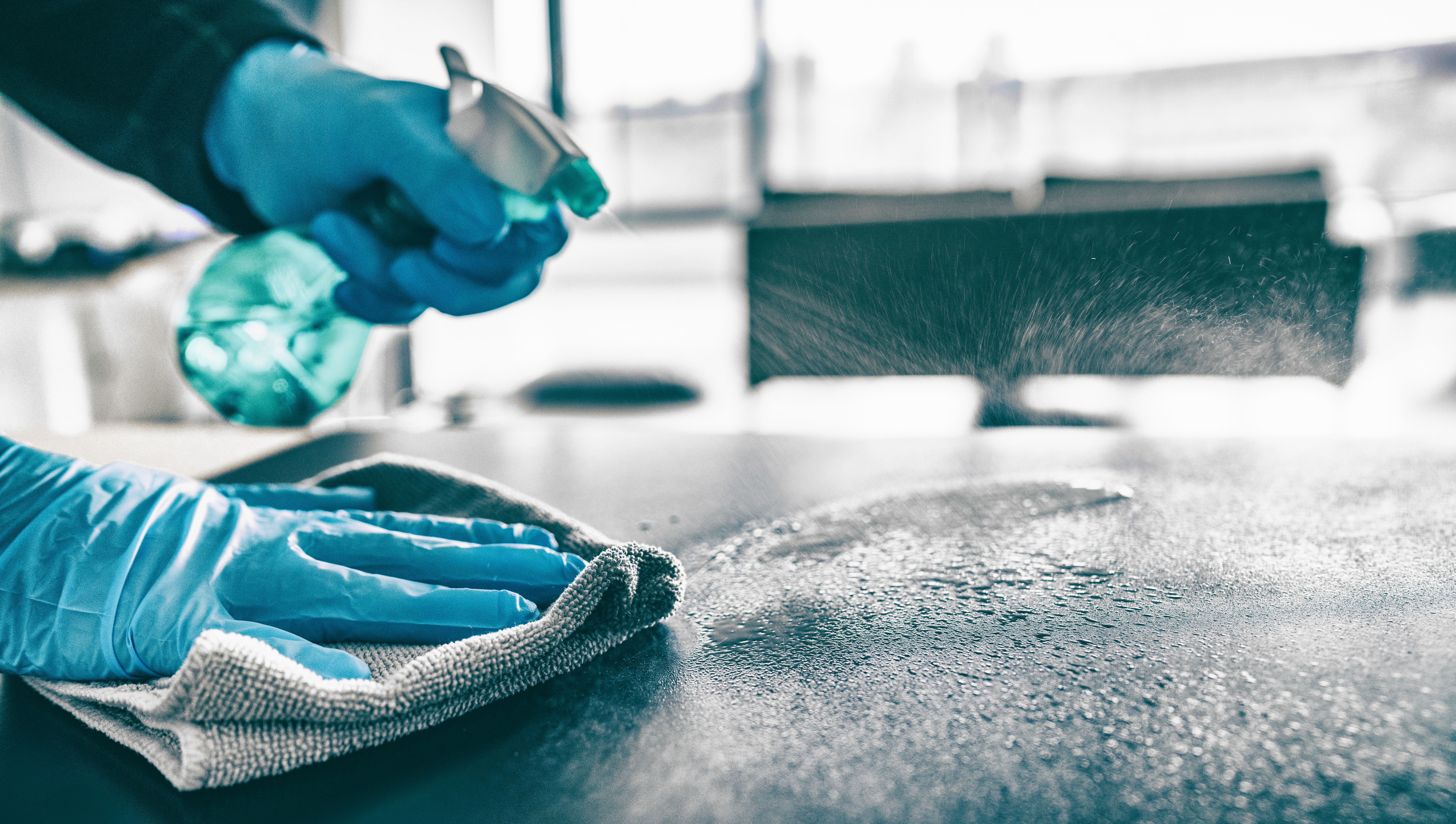
Safety is another important factor. Pressure washing requires careful handling to prevent damage and injury. The high-pressure water can cause harm to both people and surfaces if not used properly. Soft washing, being lower in pressure, poses less risk but still requires attention to safely handle the cleaning solutions used.
Conclusion
In summary, both pressure washing and soft washing have their place in effective cleaning. Understanding the differences and knowing when to use each method will help you maintain your property efficiently and safely. Whether you choose the power of pressure washing or the gentle touch of soft washing, both techniques can help keep your surfaces looking their best.