Pressure Washing vs. Soft Washing: What's the Difference and Which is Right for You?


Understanding Pressure Washing
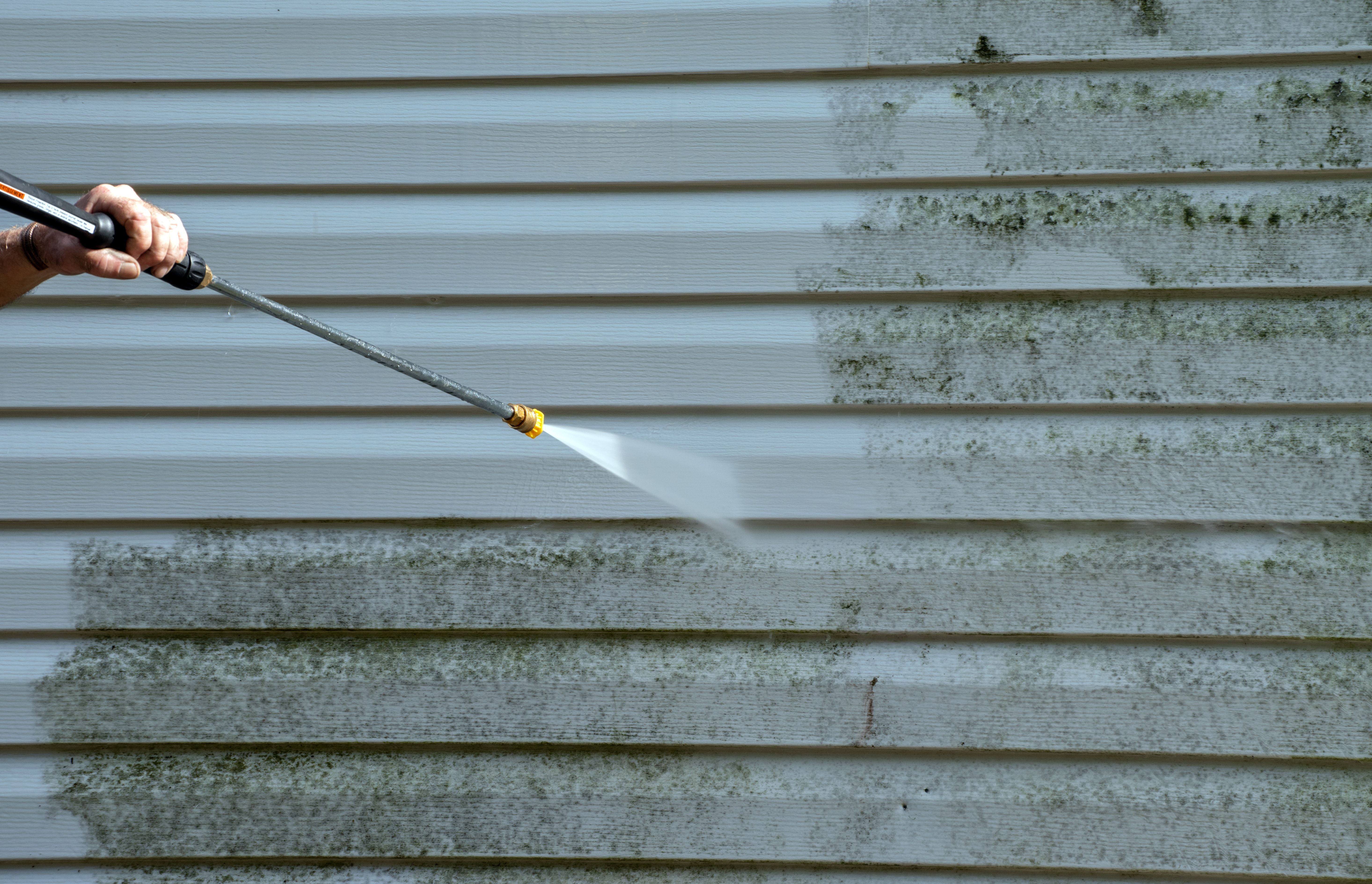
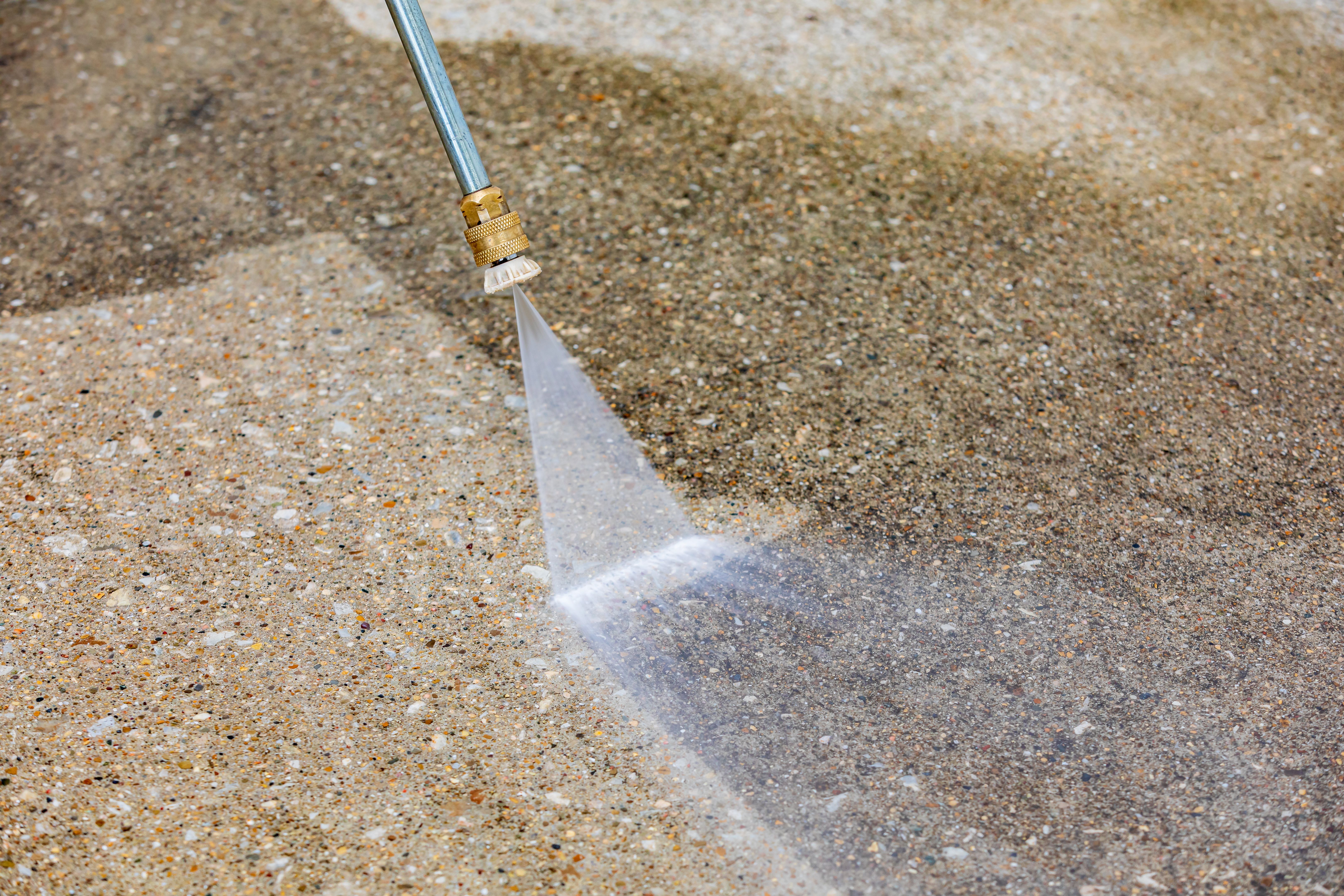
Pressure washing involves the use of a high-pressure water spray to remove dirt, grime, mold, and other contaminants from surfaces. It is particularly effective for cleaning hard surfaces like concrete driveways, sidewalks, and patios. The high-pressure stream can reach into the pores of these materials, making it a powerful cleaning method for tough stains.
This method is ideal for surfaces that can withstand the intense force without damage. However, caution is advised when using pressure washing on softer surfaces like wood or painted areas, as the high pressure can lead to unintended damage.
Exploring Soft Washing
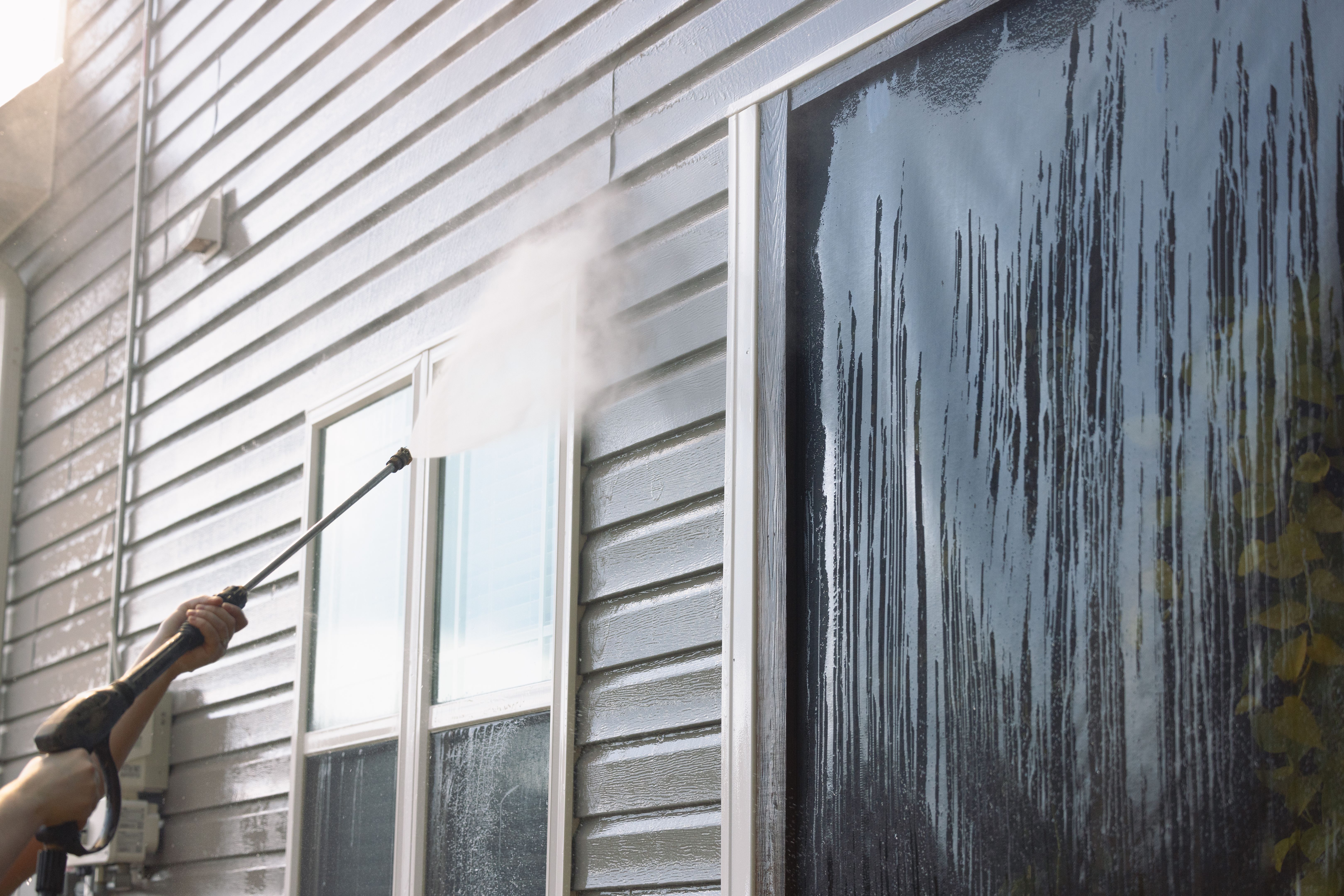
Soft washing, on the other hand, is a cleaning technique that uses low-pressure water combined with specialized cleaning solutions to safely and effectively clean exterior surfaces. This method is gentle yet effective, making it suitable for more delicate surfaces such as siding, roofs, and decks.
The cleaning solutions used in soft washing are designed to break down dirt and grime, while the low-pressure rinse ensures that the surface is not damaged. This makes soft washing a preferred choice for surfaces that require a more gentle touch.
Key Differences Between Pressure and Soft Washing
While both pressure washing and soft washing aim to clean exterior surfaces, the key difference lies in the level of pressure used. Pressure washing relies on high pressure to remove dirt and stains, while soft washing uses lower pressure and cleaning solutions to achieve the same results without risking damage.
Another important distinction is the types of surfaces each method is suited for. Pressure washing is best for hard, durable surfaces, whereas soft washing is ideal for more delicate areas that might be prone to damage from high-pressure streams.
Choosing the Right Method for Your Needs
When deciding between pressure washing and soft washing, consider the type of surface you need cleaned and the extent of dirt or stains present. For example:
- Concrete driveways and sidewalks: Pressure washing is usually the best choice due to its ability to tackle tough stains.
- Siding and roofs: Soft washing is preferable to avoid damaging these more fragile surfaces.
- Decks and fences: Depending on the material, either method may be appropriate. Wood often benefits from soft washing to prevent gouging.
Benefits of Professional Cleaning Services
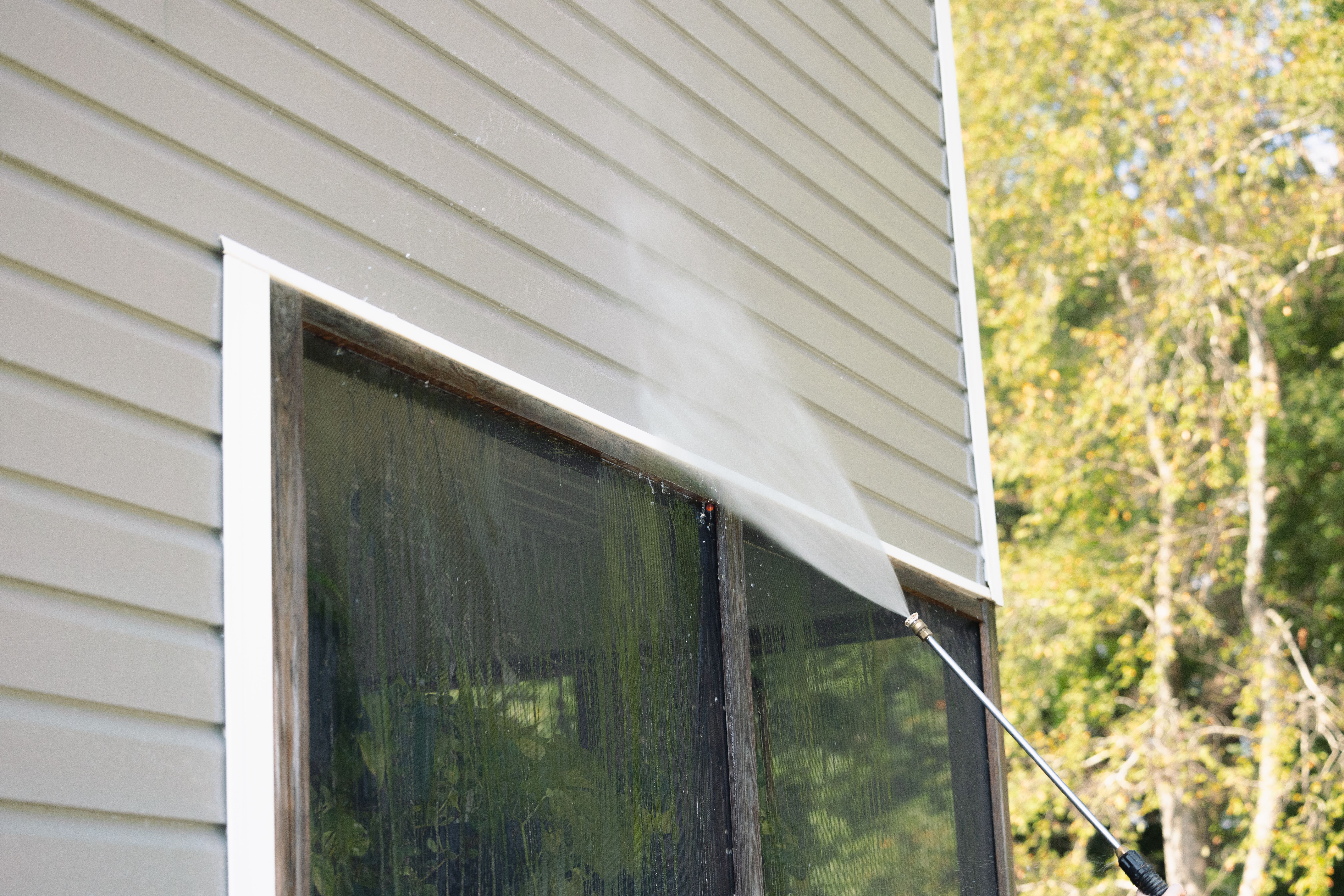
Hiring a professional cleaning service can ensure that your property is cleaned safely and effectively. Professionals have the experience and equipment needed to assess the condition of your surfaces and choose the appropriate cleaning method.
This not only guarantees optimal results but also saves you time and effort. A professional service can also extend the life of your surfaces by using techniques that prevent damage and maintain their appearance.
Environmental Considerations
Both pressure washing and soft washing have environmental implications. Soft washing typically uses biodegradable cleaning agents that are less harmful to plants and wildlife. Pressure washing uses only water but can lead to runoff that may carry pollutants into nearby waterways.
Choosing an eco-friendly cleaning service can minimize these impacts by using sustainable practices and environmentally safe products.
Conclusion
In summary, both pressure washing and soft washing offer effective solutions for cleaning exterior surfaces. The right choice depends on the specific needs of your property and the type of surface you need cleaned. By understanding the differences between these methods, you can make an informed decision that ensures your home or business maintains its curb appeal without causing damage.