Seasonal Lawn Care: Preparing Your Lawn for Spring


Understanding the Importance of Spring Lawn Care
As winter gives way to warmer days, your lawn begins to awaken from its dormant state. Proper spring lawn care is essential to ensure a lush, healthy yard throughout the growing season. By taking the right steps now, you can prevent common issues like weeds, pests, and diseases that might compromise the health of your lawn.

Assessing Lawn Health
Before diving into your spring lawn care routine, it's crucial to assess the current state of your lawn. Look for signs of damage caused by winter conditions, such as bare patches, snow mold, or thatch buildup. Understanding these issues will help you determine the necessary steps to rejuvenate your grass.
Checking for Thatch and Compaction
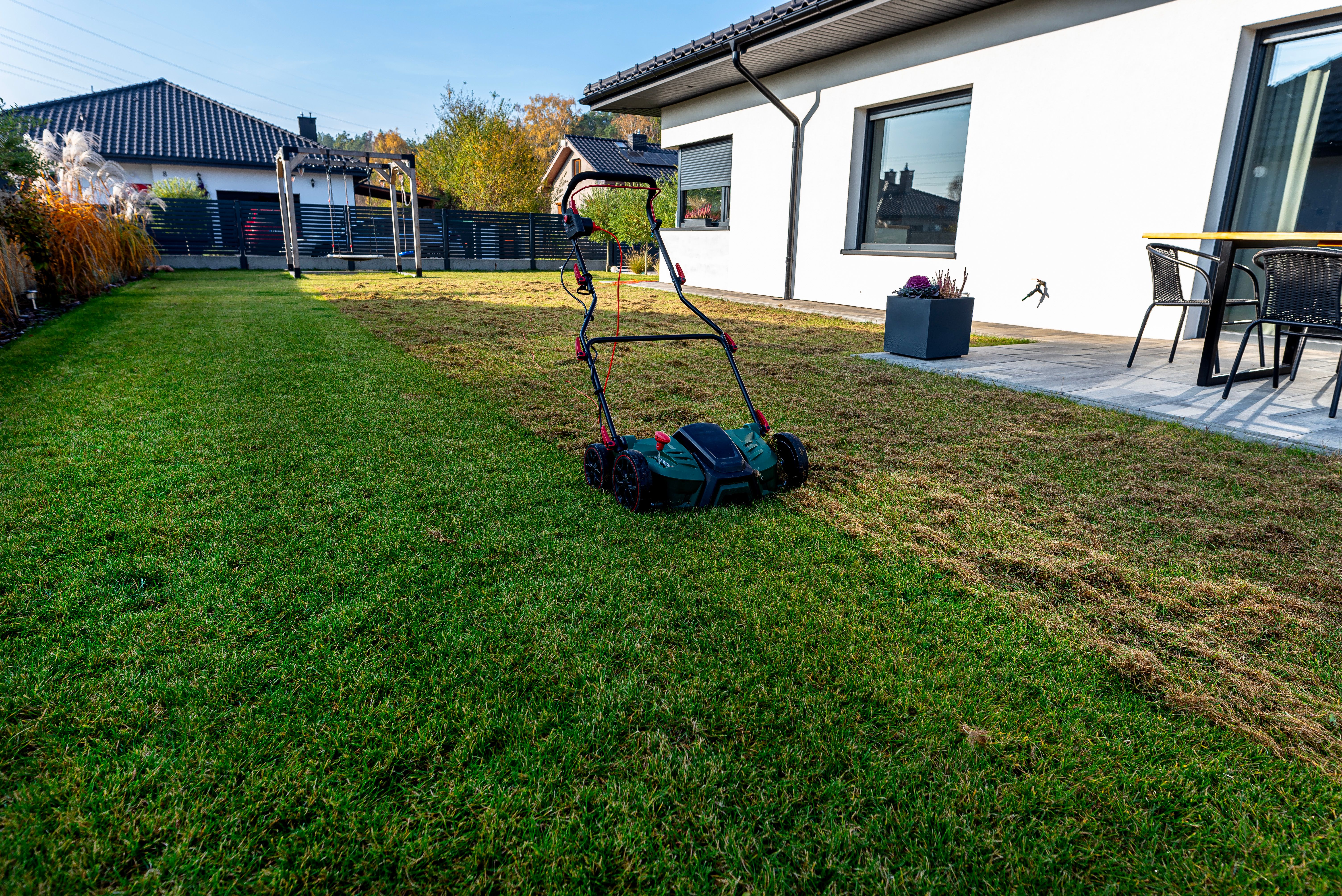
Thatch is a layer of dead grass and roots that can accumulate on your lawn. If the thatch layer is more than half an inch thick, it can prevent water and nutrients from reaching the soil. Additionally, check for soil compaction, which can hinder root growth. Both issues can be addressed with proper aeration techniques.
Essential Spring Lawn Care Tasks
Once you've assessed the condition of your lawn, it's time to roll up your sleeves and start the necessary maintenance tasks. Here are some essential activities to include in your spring lawn care routine:
Mowing and Edging
Begin by mowing your lawn to remove dead blades and encourage new growth. Set your mower blades to a higher setting for the first few cuts. Edging along sidewalks and flower beds will give your lawn a clean, manicured look.
Aeration and Overseeding
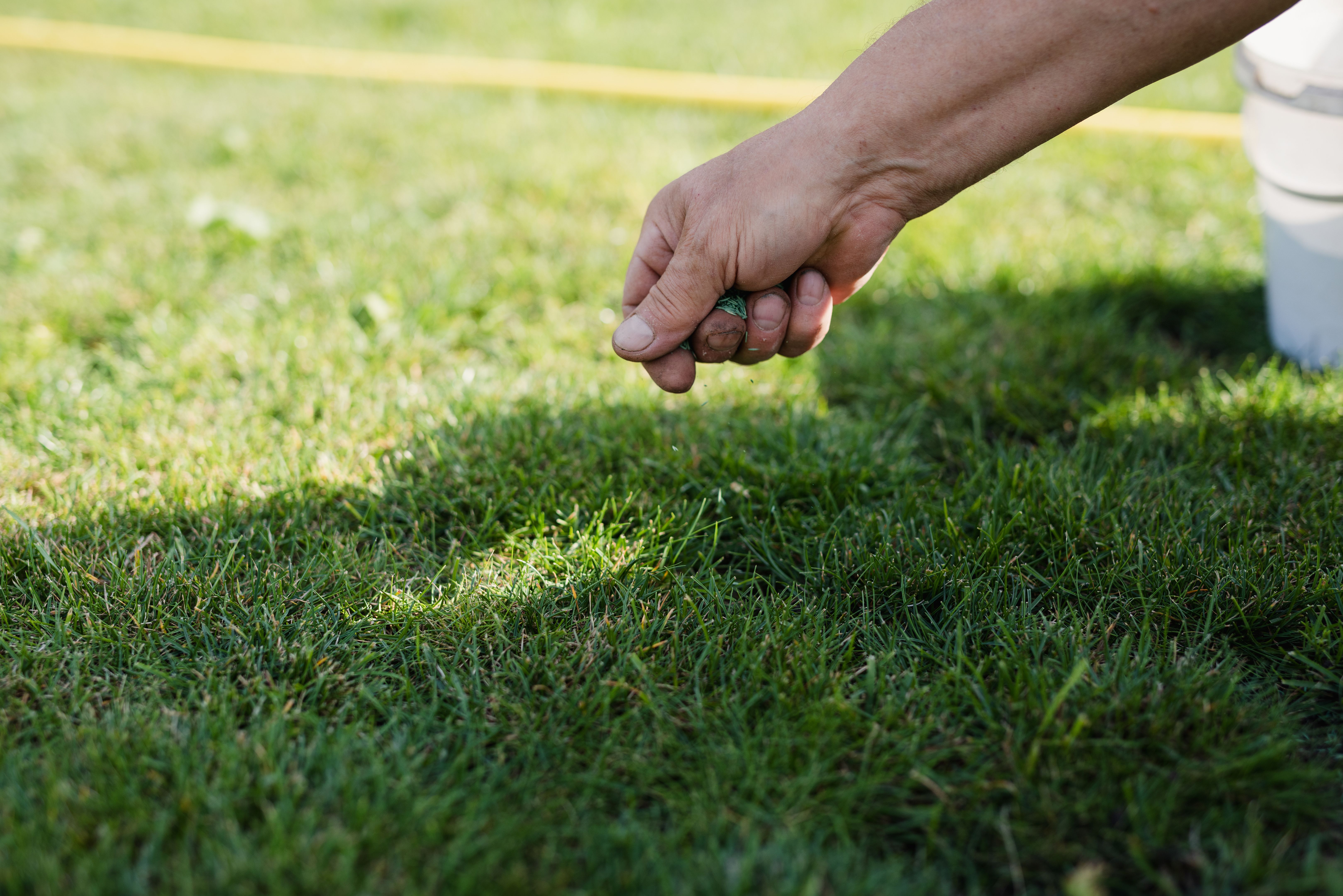
Aeration involves creating small holes in the soil to allow air, water, and nutrients to reach the roots more effectively. After aerating, consider overseeding bare or thin areas of your lawn to promote thick, lush grass. Choose a seed blend suitable for your region's climate.
Fertilizing and Weed Control
Fertilizing in spring provides your lawn with essential nutrients that promote healthy growth. Choose a balanced fertilizer with a slow-release formula to feed your grass over time. Additionally, applying a pre-emergent weed control product can help prevent weeds from taking over your lawn as temperatures rise.
Watering Wisely
As temperatures increase, so does the need for adequate watering. Aim to water your lawn deeply but infrequently to encourage deep root growth. Early morning is the best time to water, as it reduces evaporation and fungal diseases.
Maintaining Your Equipment
Spring is also an ideal time to inspect and maintain your lawn care equipment. Sharpen mower blades, change oil, and clean tools to ensure they are ready for the season's demands. Properly maintained equipment will make your lawn care tasks more efficient and effective.
Monitoring Progress and Adjusting Practices
Throughout the spring season, regularly monitor your lawn's progress. Look for signs of improvement or any emerging issues that might require attention. Adjust your lawn care practices as needed to ensure optimal growth and health.
By dedicating time and effort to seasonal lawn care, you set the stage for a beautiful and vibrant yard that you can enjoy all year long. Remember, a well-maintained lawn not only enhances your home's curb appeal but also provides a welcoming outdoor space for relaxation and recreation.