Seasonal Lawn Care: Preparing Your Yard for Spring


Understanding Your Lawn's Needs
Spring is a critical time for lawn care, as your yard awakens from its winter dormancy. Understanding your lawn's specific needs will help you create a tailored care plan. Different grass types and soil conditions require different approaches, so start by identifying what you have.
It's essential to consider the climate of your region. Warmer areas might need less springtime preparation compared to colder ones. Knowing your local weather patterns and frost dates can guide your decisions.

Cleaning and Raking
Begin your spring lawn care with a thorough cleaning. Remove any debris, fallen branches, and leaves that may have accumulated over the winter. This not only improves the appearance but also prevents disease and pest infestations.
Raking is another crucial step. It helps to remove thatch and allows sunlight to reach the soil. A deep rake will also stimulate your grass's root system, encouraging healthy growth.

Testing and Fertilizing
Before applying any fertilizers, it's wise to test your soil's pH levels. You can purchase a simple soil test kit from a local garden center. Understanding the nutrient composition of your soil will help you choose the right fertilizer.
Once you've tested your soil, apply a balanced fertilizer to give your grass the nutrients it needs to thrive. Be careful not to over-fertilize, as this can damage your lawn and the surrounding environment.
Aeration and Overseeding
If your lawn experiences heavy foot traffic or appears compacted, aeration might be necessary. Aerating involves perforating the soil with small holes to allow air, water, and nutrients to penetrate the roots.
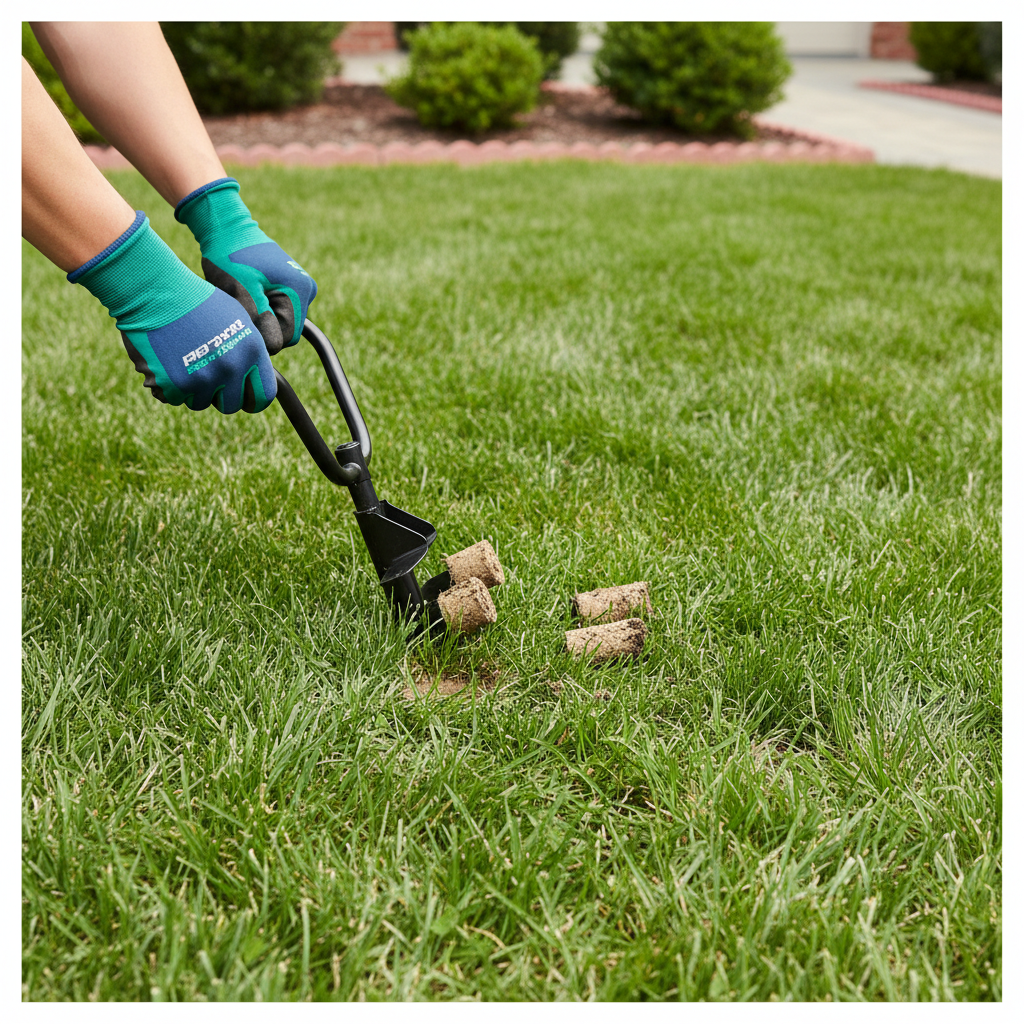
Overseeding is another beneficial practice during spring. It involves spreading grass seed over your existing lawn to fill in thin areas and improve density. Choose a seed mix that matches your current grass type for the best results.
Watering and Mowing
Proper watering is vital in spring. While overwatering can lead to disease, insufficient water will hinder growth. Aim to water deeply and infrequently to encourage deep root development.
As your grass begins to grow, regular mowing will keep it healthy and lush. Adjust your mower blades to a higher setting to avoid cutting the grass too short, which can stress the lawn.
Pest and Weed Control
Spring is also the time to address any potential pest or weed problems. Use natural or chemical treatments as needed, but always follow the instructions carefully to avoid harming your lawn or the environment.
Consider introducing beneficial insects that prey on common lawn pests. This eco-friendly approach can help maintain a balanced ecosystem in your yard.
By taking these steps, you can ensure a vibrant and healthy lawn that thrives throughout the spring and into the summer. Happy gardening!