Seasonal Lawn Care: Preparing Your Yard for Spring


Understanding Your Lawn's Needs
Spring is the perfect time to give your lawn the attention it needs after the harsh winter months. As temperatures rise and the ground begins to thaw, it's essential to focus on your yard's specific requirements to ensure a lush, green lawn throughout the season.
Soil Testing and Preparation
Before diving into full-scale lawn care, start by testing your soil. This step helps you understand nutrient deficiencies and pH levels, allowing for more informed decisions about fertilizers and soil amendments. You can find soil testing kits at most garden centers.
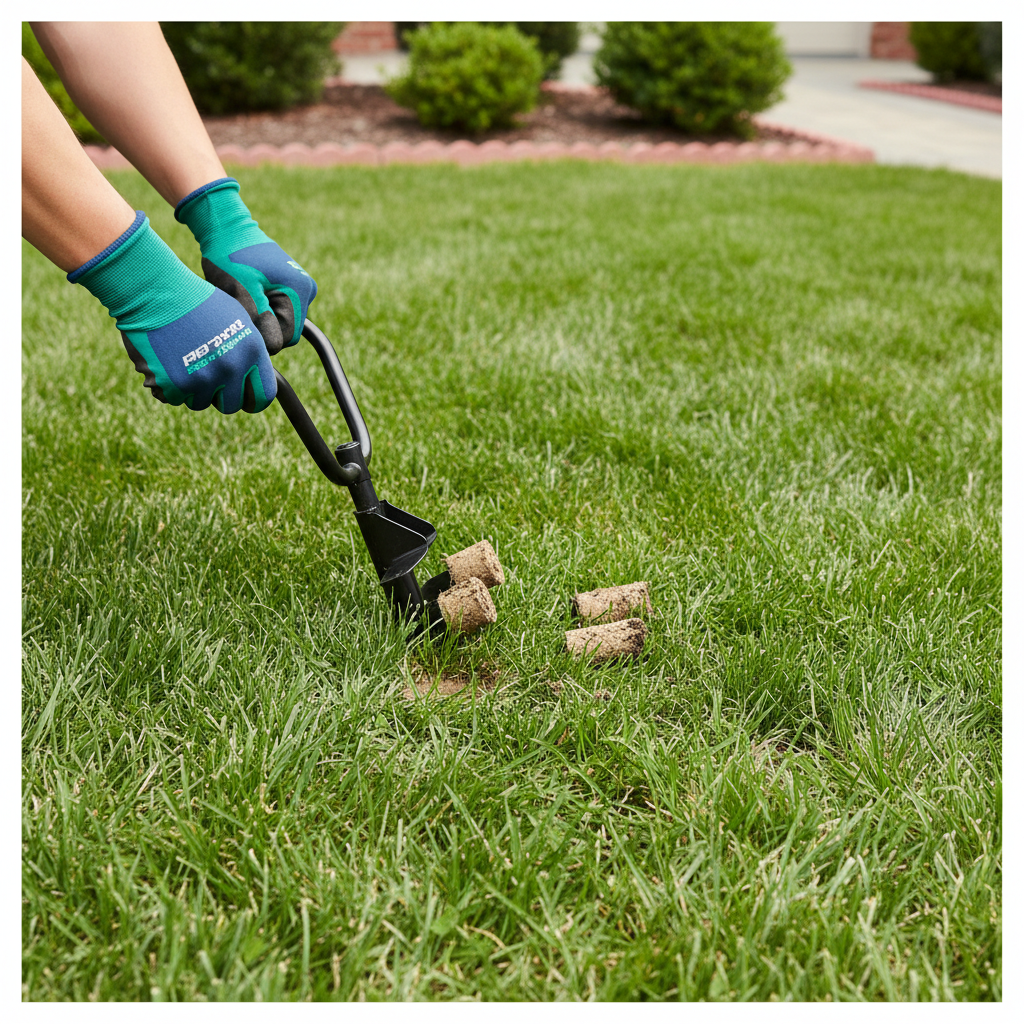
Once you've analyzed your soil, prepare it by aerating. Aeration involves perforating the soil with small holes to allow air, water, and nutrients to penetrate the grass roots. This process helps your lawn breathe and encourages healthy growth.
Seeding and Fertilizing
Spring is an ideal time for overseeding, especially if you have bare patches. Choose a high-quality grass seed that matches your existing lawn. Spread the seed evenly and water regularly to promote germination.
Fertilizing is another crucial step. Use a slow-release fertilizer formulated for spring application to provide essential nutrients that encourage robust growth. Follow the packaging instructions carefully to avoid over-fertilizing, which can harm your lawn.

Weed Control
Spring is also when many weeds begin to sprout. Pre-emergent herbicides can be applied early in the season to prevent weed seeds from germinating. If weeds have already appeared, use a post-emergent herbicide to tackle them effectively.
Consistent mowing and maintaining a healthy lawn are also effective ways to naturally suppress weed growth. Keeping your grass at the recommended height shades the soil, making it harder for weeds to thrive.
Watering and Maintenance
Proper watering is crucial in spring. Aim to water your lawn deeply but infrequently to encourage roots to grow deeper into the soil. This practice helps your lawn withstand dry spells during hotter months.
Regular maintenance, such as raking and removing debris, will keep your lawn looking its best. Raking helps remove thatch and dead grass, allowing new growth to flourish. Additionally, check and maintain your lawn mower to ensure it’s in good working condition for the season.

Benefits of Mulching
Mulching your lawn can provide numerous benefits, including moisture retention, temperature regulation, and weed suppression. Apply a thin layer of organic mulch, such as shredded leaves or grass clippings, to enrich the soil and improve your lawn's health.
By following these seasonal lawn care tips, you'll set the stage for a vibrant and healthy yard that you can enjoy throughout the spring and summer months. Investing time and effort in early spring will pay off with a lush, green landscape that enhances your outdoor living space.