Seasonal Lawn Care Checklist: Prepare Your Yard for Spring


Assess Your Lawn's Current Condition
As the snow melts away and temperatures start to rise, it's time to assess the current condition of your lawn. Begin by walking around your yard to check for any damage that winter might have caused. Look for bare spots, compacted soil, or any signs of disease. Identifying these issues early allows you to address them before the growing season begins.
In addition to physical inspection, take note of the overall health of your grass. Is it thin and sparse, or does it still maintain some density? This will help you determine what treatments are necessary to bring it back to life.

Clear Debris and Tidy Up
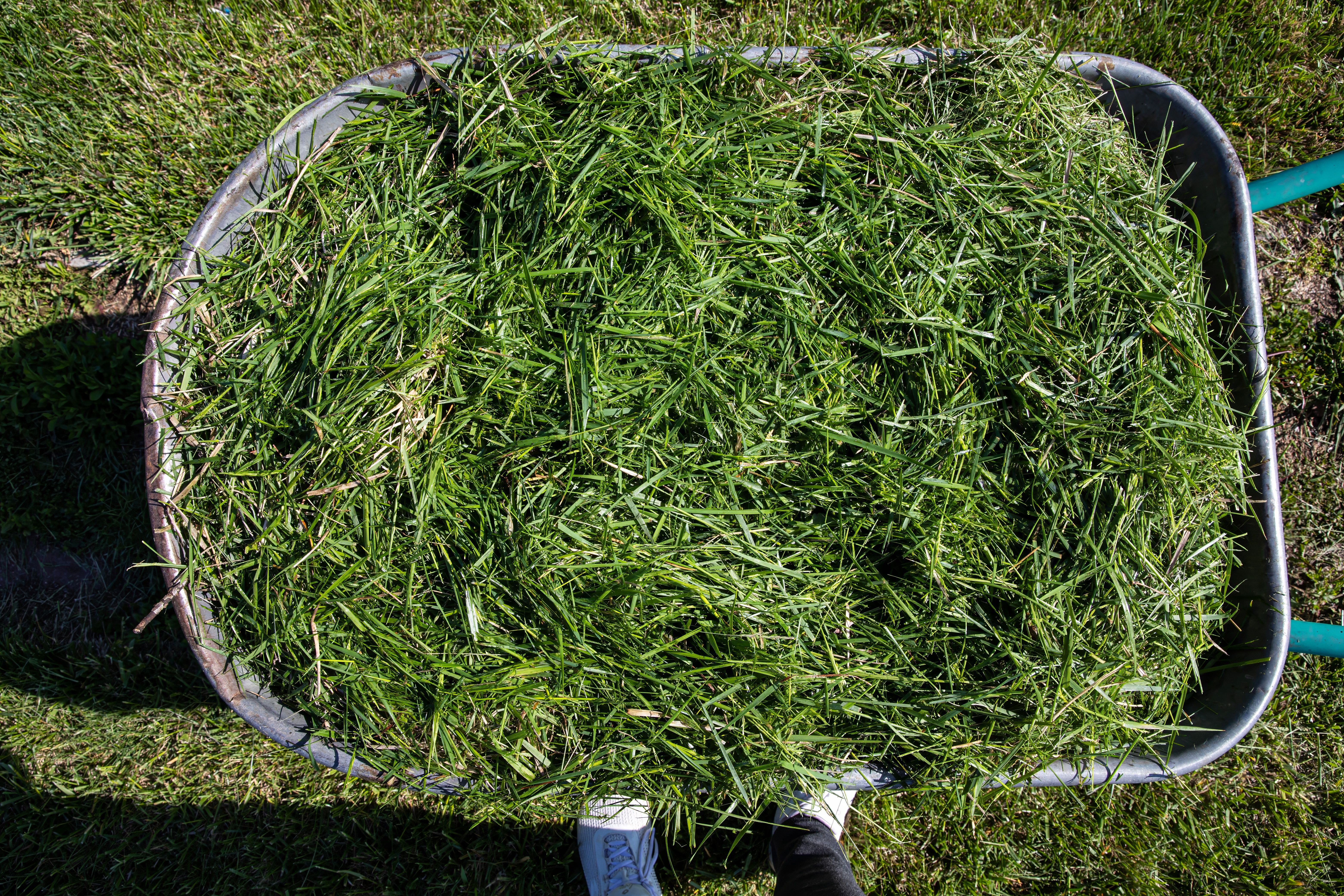
Before you can start working on your lawn, it's essential to clear away any debris that has accumulated over the winter months. Remove fallen branches, leaves, and any other debris that could hinder new growth. A clean lawn promotes healthier grass and makes it easier to spot any underlying issues.
Rake the lawn thoroughly to remove thatch buildup, which can prevent water and nutrients from reaching the soil. Thatch is a layer of dead grass and roots that can suffocate your lawn if left unchecked.
Trim Trees and Shrubs
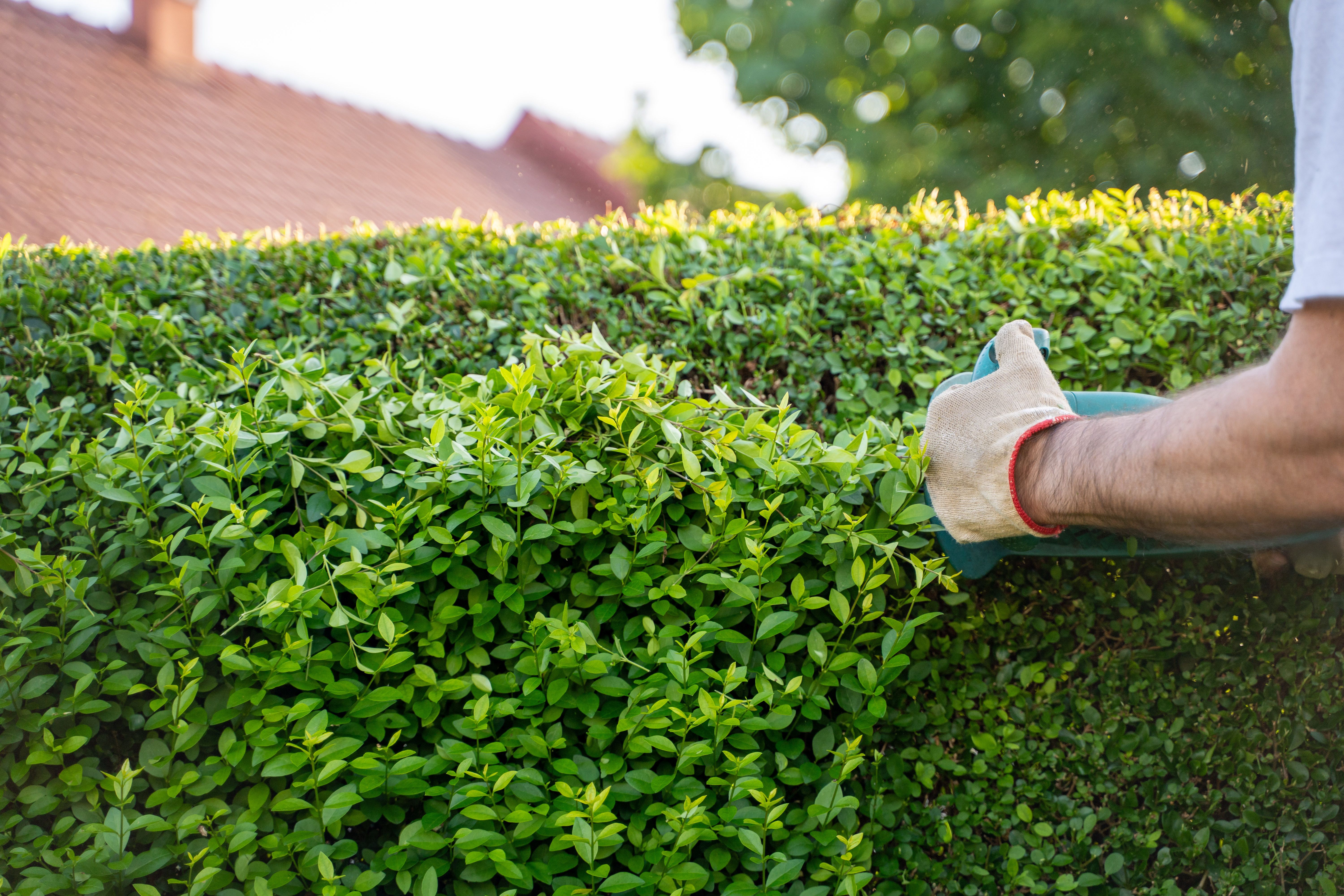
Spring is also a good time to prune trees and shrubs around your yard. Trimming back overgrown branches not only improves the appearance of your landscape but also encourages healthier growth. Be sure to use sharp, clean tools to avoid damaging the plants.
Revitalize the Soil
Once your lawn is clear of debris, it's time to focus on the soil. Aeration is a crucial step in preparing your lawn for spring. Aerating involves perforating the soil with small holes to allow air, water, and nutrients to penetrate the grass roots. This process helps alleviate soil compaction and promotes healthier growth.
If you haven't tested your soil's pH level in a while, now is an ideal time to do so. Knowing your soil's pH can help you decide if you need to apply lime or sulfur to adjust it to optimal levels for grass growth.
Fertilize for a Nutrient Boost
Applying fertilizer in early spring gives your lawn a much-needed nutrient boost after the dormancy of winter. Choose a fertilizer that matches your grass type and follow the manufacturer's instructions for application. A well-fertilized lawn will green up quickly and maintain its health throughout the growing season.
Reseed and Repair
If you've noticed bare patches or thinning areas in your lawn, early spring is the perfect time to reseed. Choose a grass seed that matches your existing lawn and spread it evenly over the affected areas. Ensure good seed-to-soil contact by lightly raking the area after seeding.
Water these areas gently but consistently until the new grass is well-established. Avoid heavy foot traffic on newly seeded patches to give them the best chance of successful growth.
Establish a Watering Routine
As temperatures increase, establishing an effective watering routine is vital for maintaining a healthy lawn. Water deeply but infrequently to encourage deep root growth. Early morning is the best time to water your lawn, as it minimizes evaporation and fungal diseases.
Avoid overwatering, which can lead to shallow roots and increased susceptibility to disease.