Seasonal Lawn Care Checklist: What Your Lawn Needs Throughout the Year


Spring: The Season of Renewal
As the frost melts away and the days grow longer, spring is the perfect time to give your lawn the attention it needs to bounce back from the harsh winter months. Begin by cleaning up debris such as fallen leaves, twigs, and any dead grass. This allows your lawn to breathe and absorb sunlight more effectively. Additionally, consider aerating your lawn to improve root growth and enhance nutrient absorption.
Fertilization is also crucial during spring. Apply a balanced fertilizer to provide essential nutrients that will promote healthy growth. It’s also a great time to overseed any bare patches to ensure a lush, even lawn. Remember, early spring is ideal for cool-season grasses, while late spring is better suited for warm-season varieties.
Summer: Sustaining Growth in the Heat
During summer, your lawn faces the challenge of heat and potential drought conditions. Watering becomes critical; aim to water deeply but less frequently to encourage deep root growth. Early morning is the best time to water your lawn to minimize evaporation and fungal diseases.
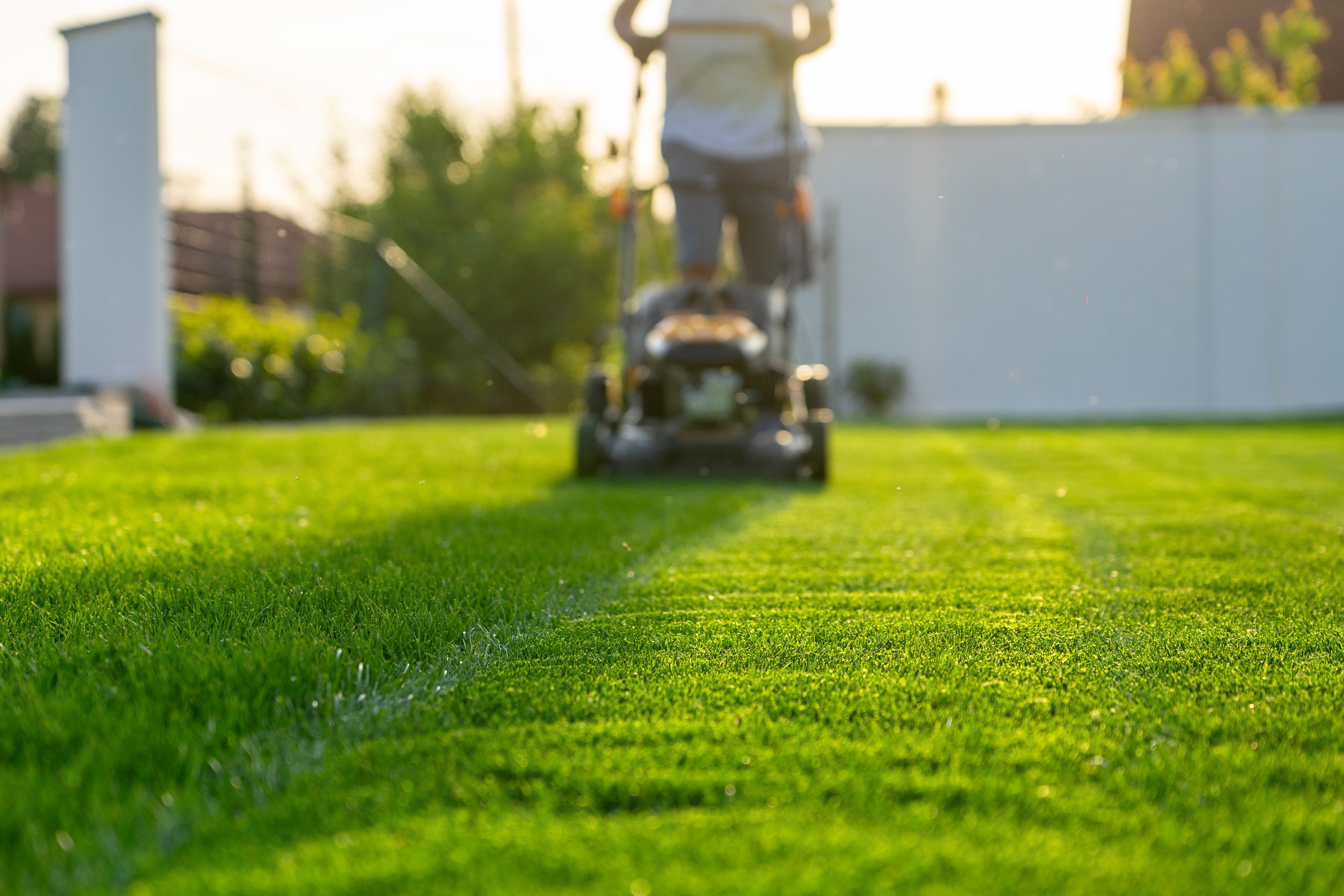
Mowing should be done with care, keeping the grass slightly taller to shade the soil and retain moisture. Regularly sharpen mower blades for clean cuts that reduce stress on the grass. Summer is also a time to be vigilant about pests and diseases, which can thrive in warmer temperatures. Consider using organic pest control methods for a healthier lawn environment.

Fall: Preparing for Dormancy
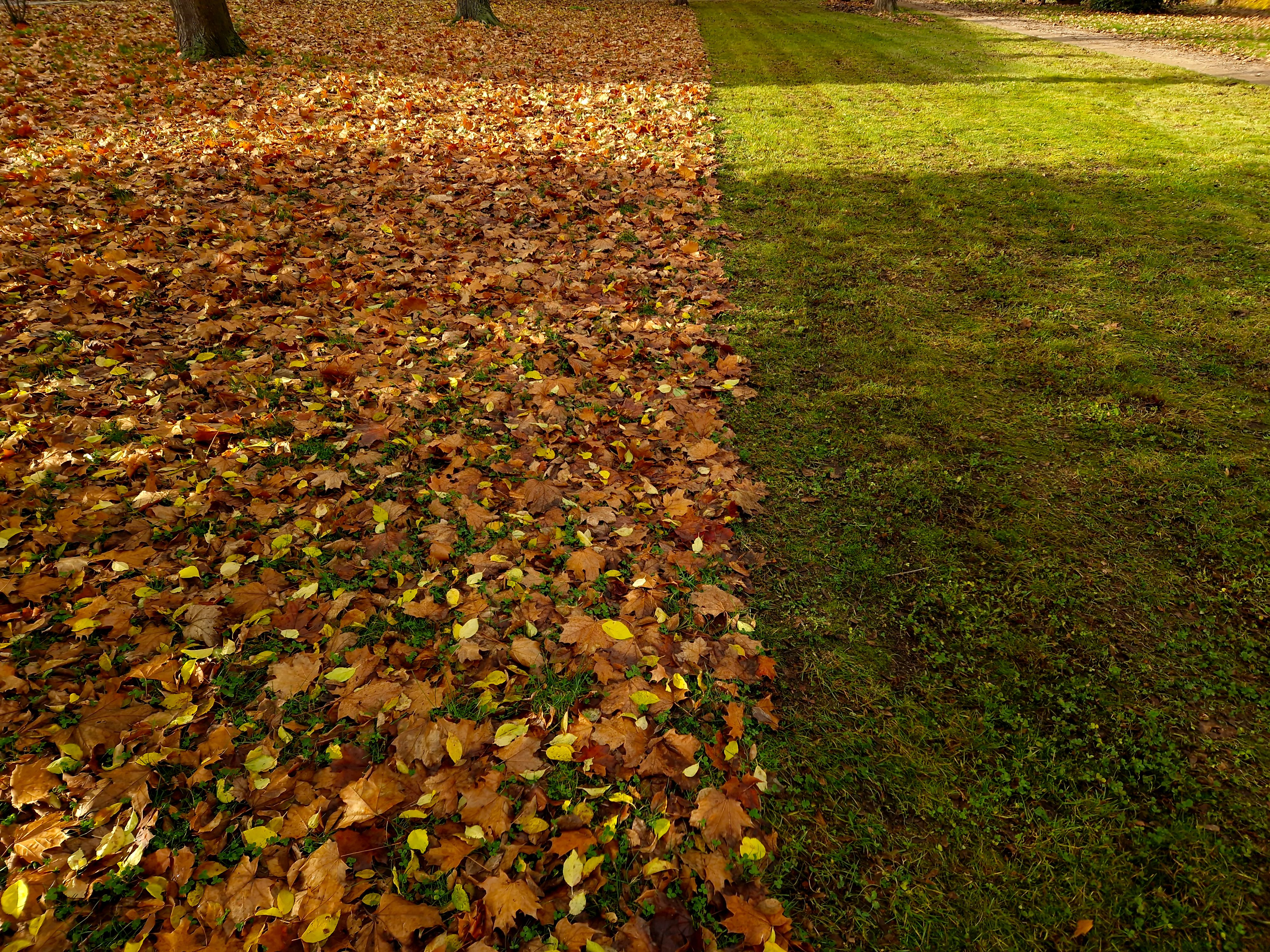
As temperatures start to cool, it’s time to prepare your lawn for the dormant winter months. Begin by raking leaves regularly to prevent them from suffocating your grass. Fall is also an excellent time for aeration, allowing air, water, and nutrients to penetrate the soil as the roots prepare for winter.
Apply a high-potassium fertilizer in the fall to boost root strength and disease resistance. Overseeding can also be beneficial during this period, especially for cool-season grasses that thrive in the mild temperatures of fall. This will help fill in any thinning areas and provide a thick, lush lawn come spring.
Winter: Rest and Resilience
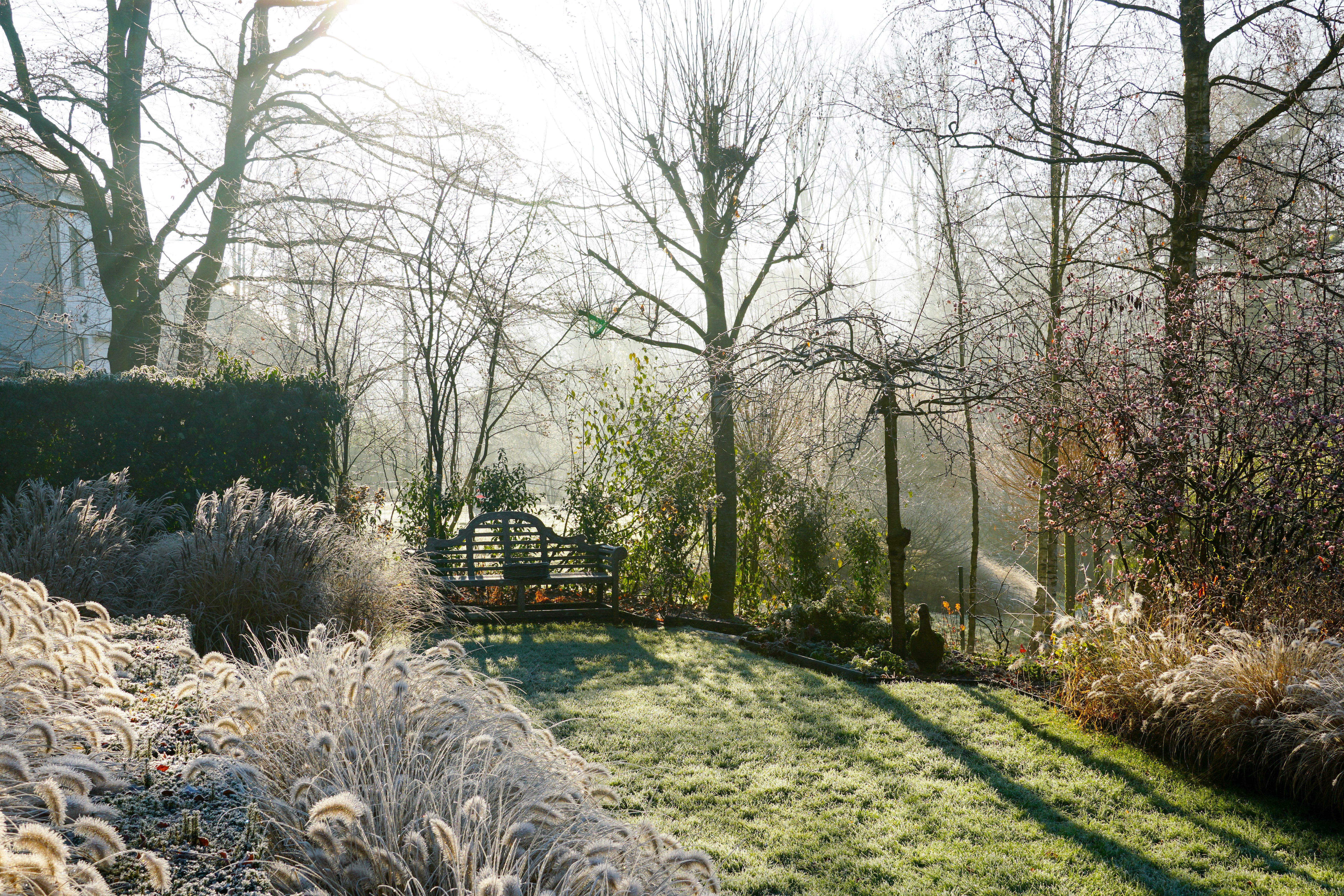
In winter, your lawn enters a period of rest. While there is less active maintenance required, there are still key tasks to ensure its health. Try to minimize foot traffic on frozen grass to prevent damage. Keep your lawn free of debris, which can create mold and other diseases under snow cover.
Consider applying a light layer of compost or mulch before heavy snow arrives to provide insulation and slowly release nutrients throughout the winter. This can help protect grassroots and prepare them for a robust start in spring. Remember, patience is key during this season as you await warmer days.
Year-Round Tips for a Thriving Lawn
No matter the season, there are consistent practices that contribute to a healthy lawn all year long. Regularly test your soil to ensure it has the right pH balance and nutrient levels. Adjust your fertilization and treatment plans accordingly based on these results.
Stay informed about your specific grass type and climate conditions, as these factors significantly influence care routines. Lastly, always prioritize sustainable practices such as using organic fertilizers and reducing water waste to maintain an eco-friendly lawn that thrives through every season.