Seasonal Lawn Care Tasks: Preparing for the Change of Seasons


Understanding Seasonal Lawn Care
As the seasons change, so do the needs of your lawn. Each season presents unique challenges and opportunities for lawn care. By understanding these seasonal shifts, you can keep your lawn healthy and vibrant throughout the year. In this guide, we'll explore essential tasks to prepare your lawn for the changing seasons.
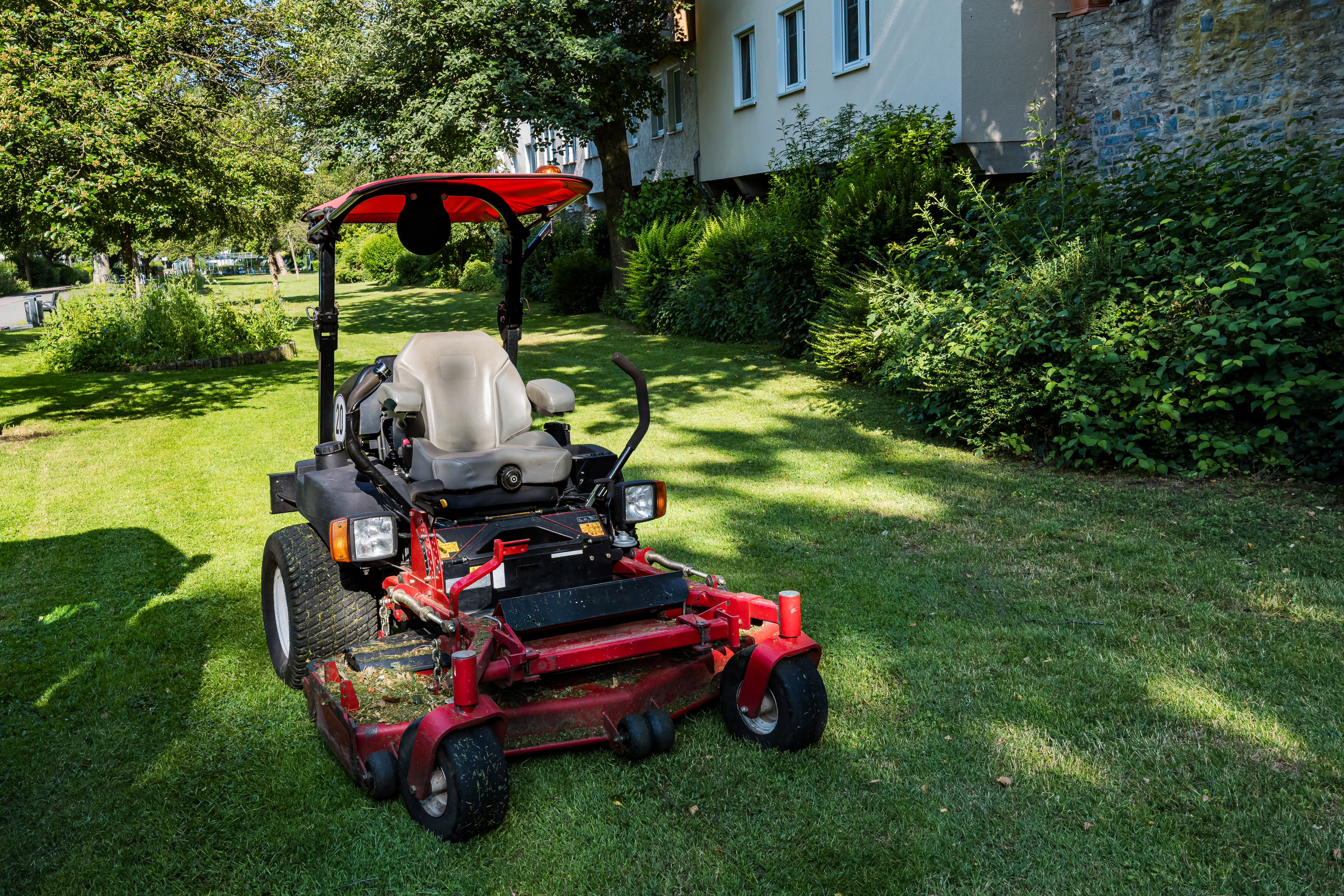
Spring: Reviving Your Lawn
Spring is the time to revive your lawn after the long winter months. It’s crucial to start with a thorough cleaning. Remove any debris such as fallen leaves, branches, and dead grass. This helps prevent disease and allows sunlight to reach the new growth.
After cleaning, focus on soil health by aerating your lawn. Aeration improves water and nutrient absorption, promoting stronger root growth. Additionally, consider applying a slow-release fertilizer to nourish the grass as it begins to grow actively.
Summer: Maintaining and Protecting
Summer brings warmer temperatures and increased lawn activity. To maintain a lush lawn, ensure regular mowing at the correct height—this varies depending on the type of grass you have. Watering is also critical; aim for deep and infrequent watering to encourage deep root growth.
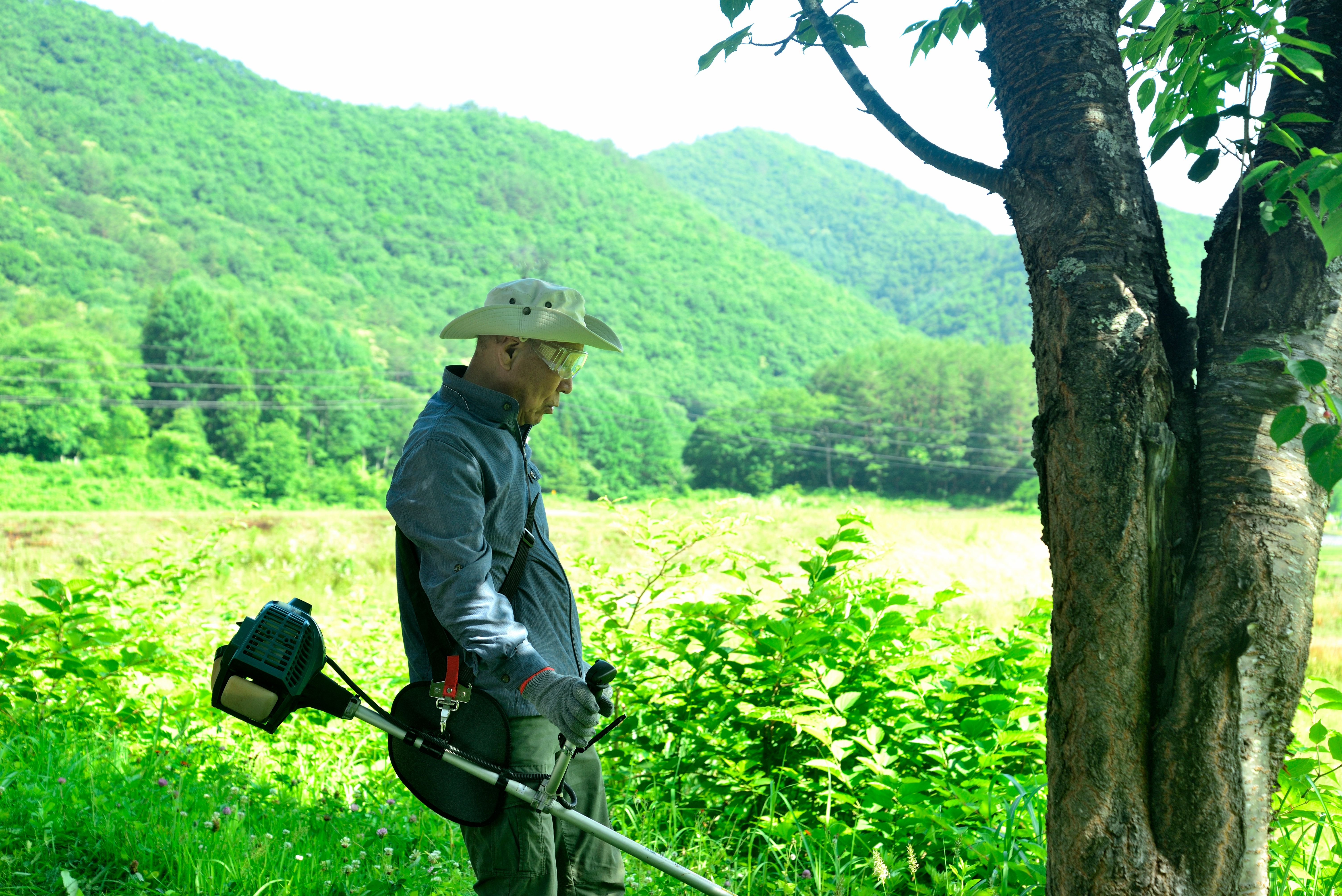
Keep an eye out for pests and weeds during summer months. Regularly inspect your lawn for signs of infestation or weed growth, and address these issues promptly with appropriate treatments.
Fall: Preparing for Dormancy
As fall approaches, it’s time to prepare your lawn for dormancy. Begin by raking leaves regularly to prevent suffocation and mold growth. Fall is also a great time to overseed thin or bare patches, ensuring a thick and healthy lawn come spring.
Consider applying a fall-specific fertilizer high in potassium to strengthen roots and improve disease resistance during the colder months. This step is crucial in helping your lawn withstand winter stress.
Winter: Protecting and Planning
Winter requires less active lawn care but remains an essential period for protection and planning. Once the ground freezes, minimize foot traffic on your lawn to prevent damage to dormant grass. Brush off heavy snow from delicate areas if needed.
Use this time to plan for next season’s lawn care strategies. Consider what worked well and what didn’t over the past year, and research new methods or products that might enhance your efforts in the upcoming seasons.
Conclusion: Year-Round Commitment
Lawn care is a year-round commitment that pays off with a lush and healthy landscape. By adapting your tasks to the changing seasons, you ensure that your lawn not only survives but thrives. Consistency and timely intervention are key, so mark your calendar with these essential tasks to enjoy a beautiful lawn all year long.