The Importance of Seasonal Lawn Care: Adapting to Changing Weather Conditions


The Importance of Seasonal Lawn Care
Maintaining a healthy and vibrant lawn requires more than just regular mowing and watering. Understanding the significance of seasonal lawn care is essential for adapting to changing weather conditions and ensuring your grass remains lush and resilient all year round. Each season presents unique challenges and opportunities for lawn care, and by tailoring your approach, you can keep your lawn looking its best.

Spring: Reviving Your Lawn
As winter fades away, spring is the perfect time to revive your lawn. Start by raking away leaves and debris that have accumulated over the winter months. This allows sunlight and air to reach the soil, promoting healthy growth. Consider aerating your lawn to alleviate soil compaction and improve water penetration.
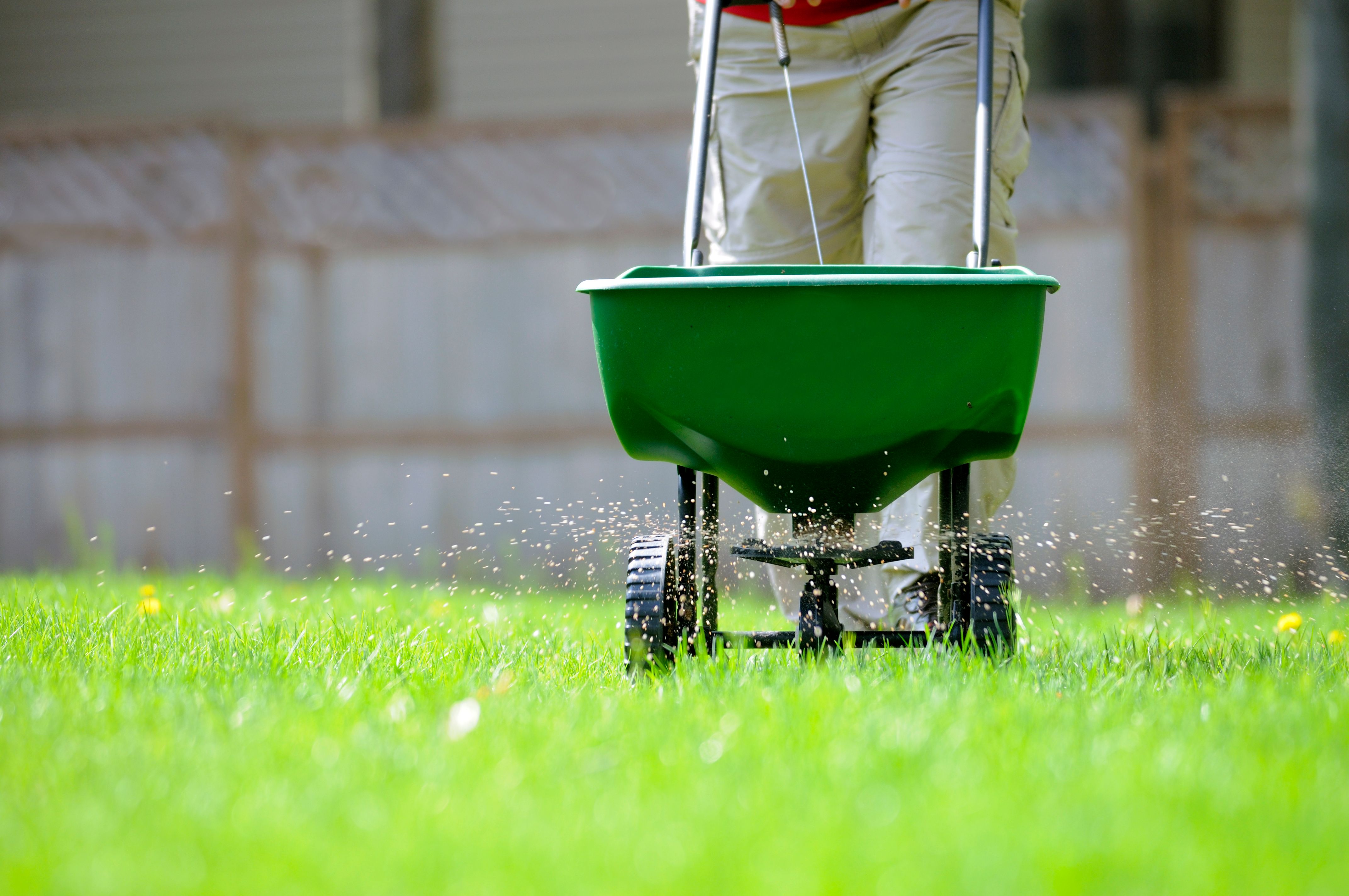
Spring is also an ideal time for overseeding and fertilizing. Using a high-quality seed mix will help fill in bare spots, while a balanced fertilizer provides essential nutrients for robust growth. Keep an eye out for weeds and apply a pre-emergent herbicide to prevent them from taking root.
Summer: Maintaining Health and Vitality
During the summer months, lawns can experience stress from high temperatures and dry spells. To maintain your lawn's health, water deeply but infrequently to encourage deep root growth. Early morning is the best time to water, reducing evaporation and ensuring the grass has enough moisture throughout the day.
Mowing height is crucial in summer; set your mower blades higher to provide shade to the soil and reduce water loss. Regularly check for pests such as grubs or chinch bugs, which can cause significant damage if left unchecked. Applying an organic insecticide can help manage these pests effectively.
Fall: Preparing for Dormancy
Fall is a critical period for preparing your lawn for the dormant winter months. Begin by continuing to mow regularly until the grass stops growing. This keeps your lawn tidy and prevents fungal diseases from developing due to excess moisture.
Fertilize your lawn with a slow-release nitrogen fertilizer to strengthen roots and improve energy reserves for spring. Fall is also an excellent time for aeration and overseeding, as cooler temperatures promote seed germination without the intense heat of summer.
Winter: Minimal Maintenance
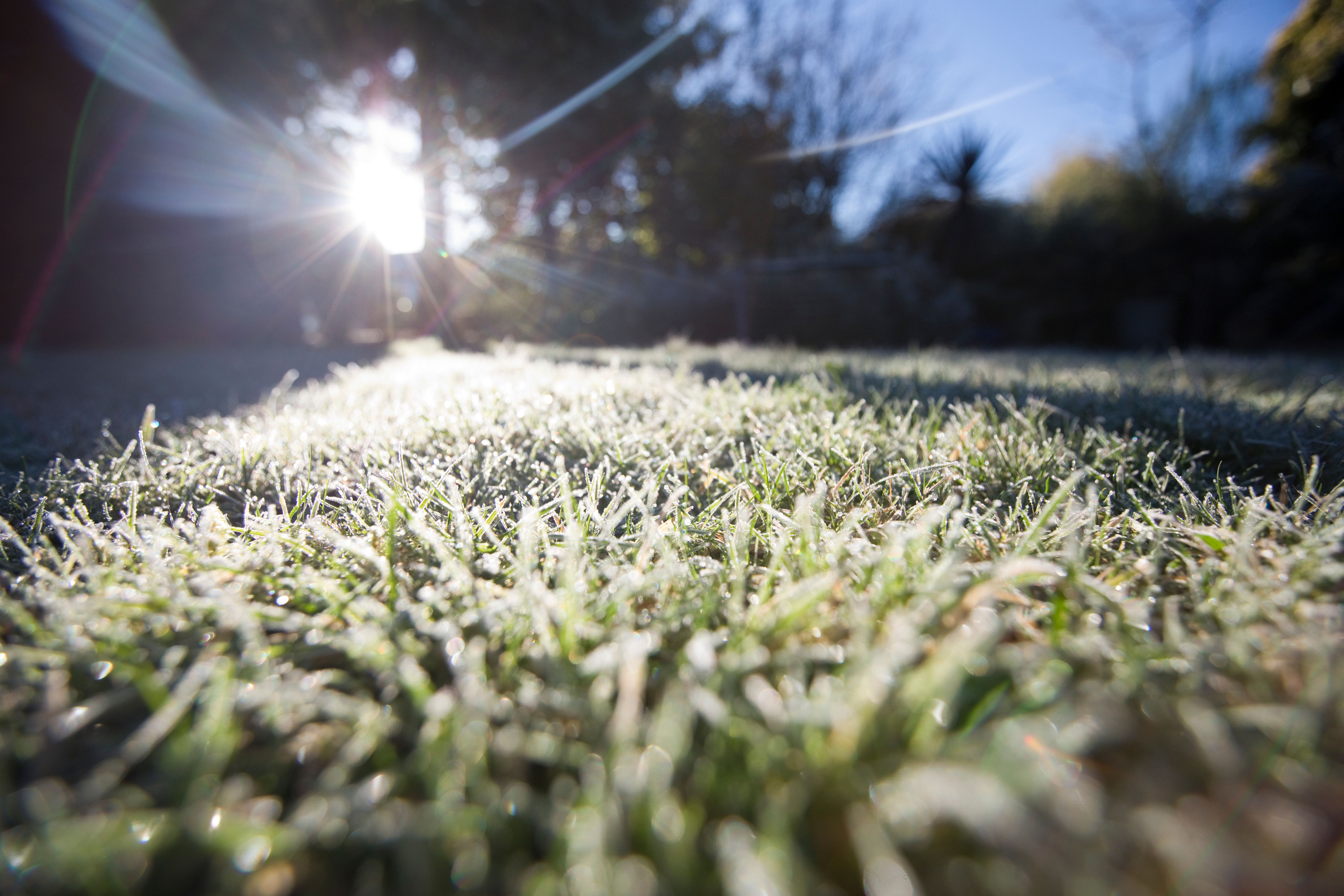
Winter requires minimal maintenance but is not entirely without attention. Avoid excessive foot traffic on frozen lawns, as this can damage the grass blades and compact the soil. If you live in an area prone to snow, be cautious when using salt-based de-icers, as they can harm your lawn.
Consider applying a winterizing fertilizer in late fall to provide nutrients that will support your lawn over the cold months. This helps ensure a quicker green-up when spring arrives.
Adapting to Climate Variations
Climate plays a significant role in how you manage your lawn care routine. For those in regions with unpredictable weather patterns, flexibility is key. Monitor local weather forecasts and adjust your practices accordingly. This might mean altering watering schedules or adjusting fertilization timing based on temperature fluctuations.
Understanding the unique needs of your specific grass type will also guide you in making informed decisions about seasonal care. Whether you have cool-season or warm-season grass, customizing your approach can lead to a healthier, more resilient lawn.
In conclusion, embracing seasonal lawn care is crucial for adapting to changing weather conditions and maintaining a beautiful landscape throughout the year. By focusing on specific tasks each season, you can ensure that your lawn remains vibrant, healthy, and ready to face whatever nature throws its way.