The Secret to a Lush Lawn: Expert Tips for Lawn Installs


The Importance of Proper Planning
Creating a lush, green lawn starts long before the first blade of grass emerges. Proper planning is key to ensuring your lawn not only looks great but thrives for years to come. Consider the climate, soil type, and the specific grass species suitable for your area. Understanding these factors will help you choose the right approach for your lawn installation.
Before you begin, it's essential to decide on the design and layout of your lawn. Take into account the sun and shade patterns, as well as any existing landscaping features. A well-thought-out plan will save you time and resources in the long run.
Soil Preparation: The Foundation of Success
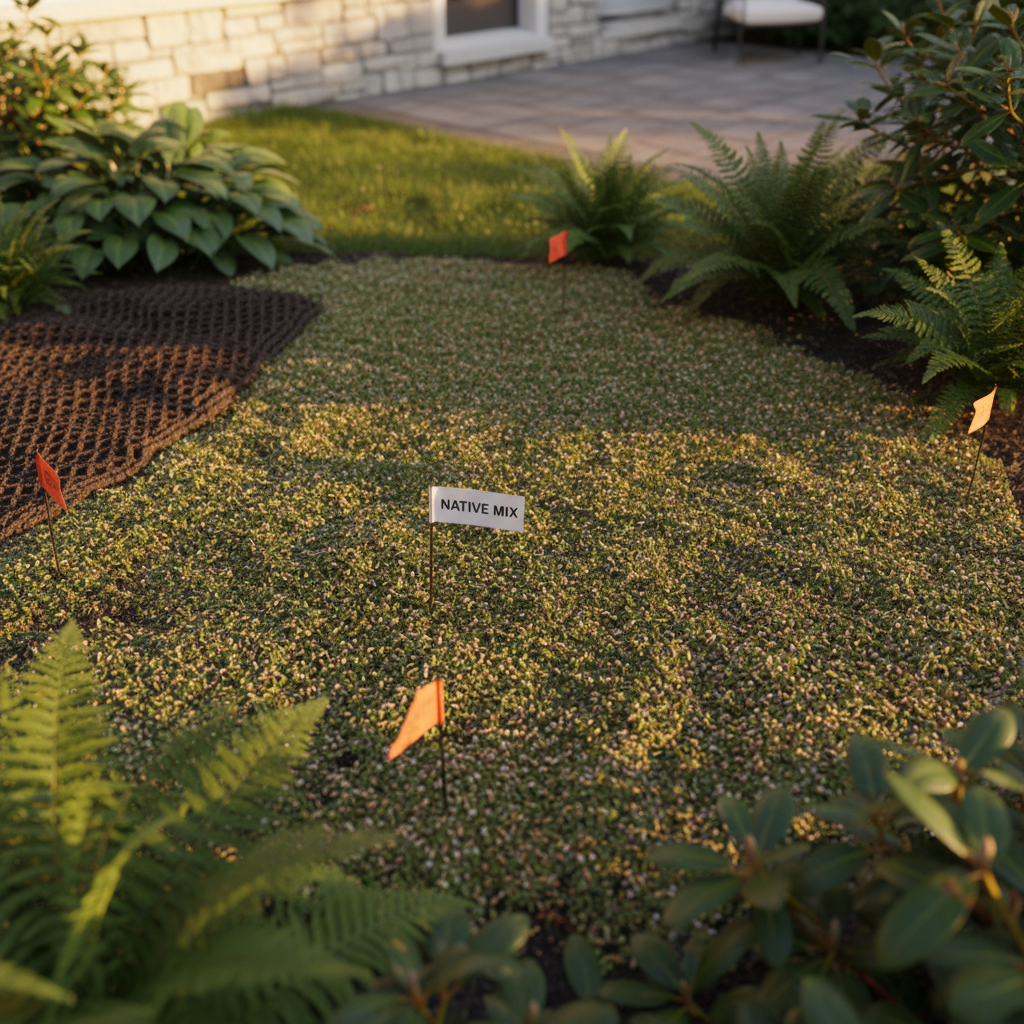
Preparing your soil is crucial for a successful lawn installation. Start by testing your soil to determine its pH and nutrient levels. This will help you identify any necessary amendments to create an optimal environment for grass growth. A balanced soil pH and nutrient-rich base will lead to a healthier lawn.
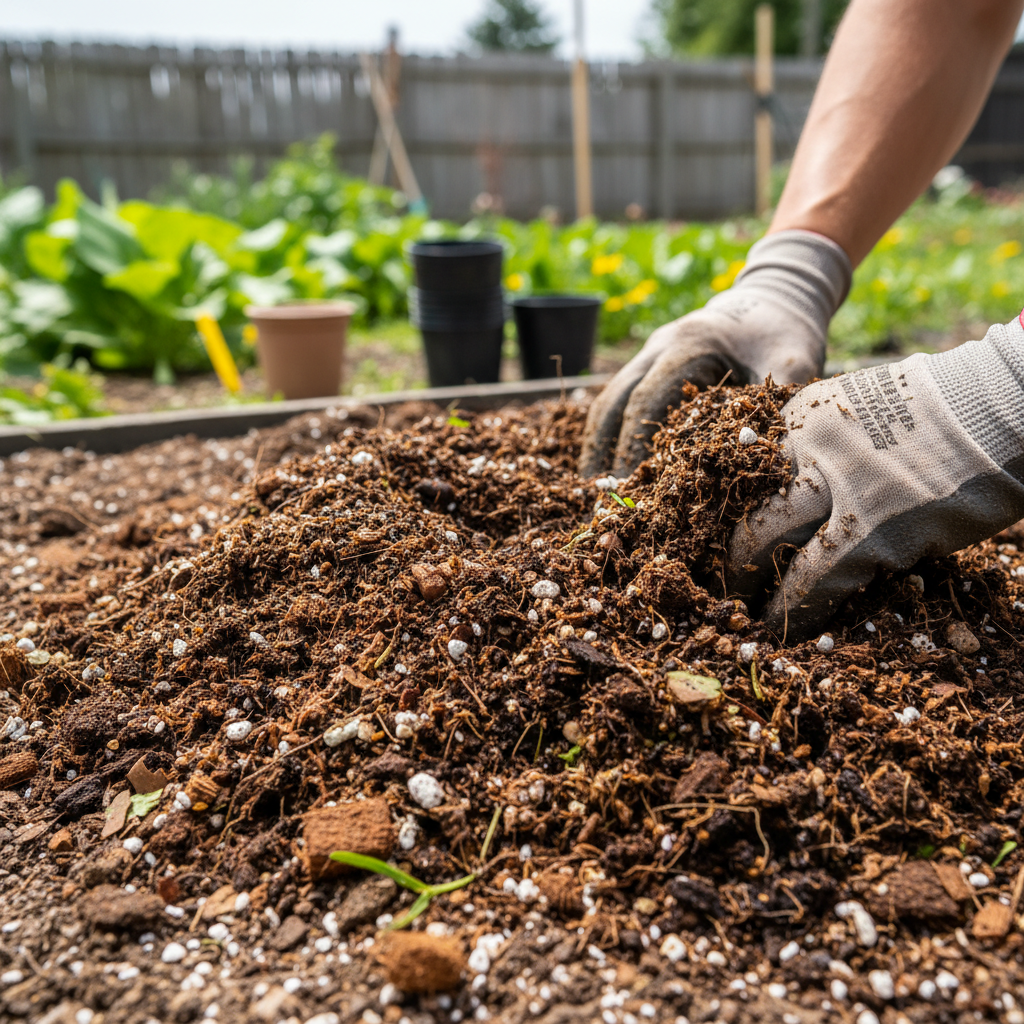
Once you've tested the soil, it's time to clear the area of debris, rocks, and weeds. Use a rototiller to loosen the soil, allowing for better root penetration and water drainage. Incorporate organic matter or compost to improve soil structure and fertility.
Choosing the Right Grass Type
Selecting the appropriate grass type is essential for a vibrant lawn. Factors to consider include climate, sun exposure, and intended use. Cool-season grasses like Kentucky bluegrass and fescues are ideal for cooler climates, while warm-season grasses like Bermuda and zoysia thrive in hotter regions.
Consult with local experts or garden centers to determine which grass species will perform best in your area. Mixing different types of grass can also provide a more resilient and visually appealing lawn.
Proper Installation Techniques
Whether you're sowing seeds or laying sod, proper installation techniques are vital. When seeding, ensure even coverage by using a broadcast spreader. Lightly rake the seeds into the soil and water gently to promote germination.
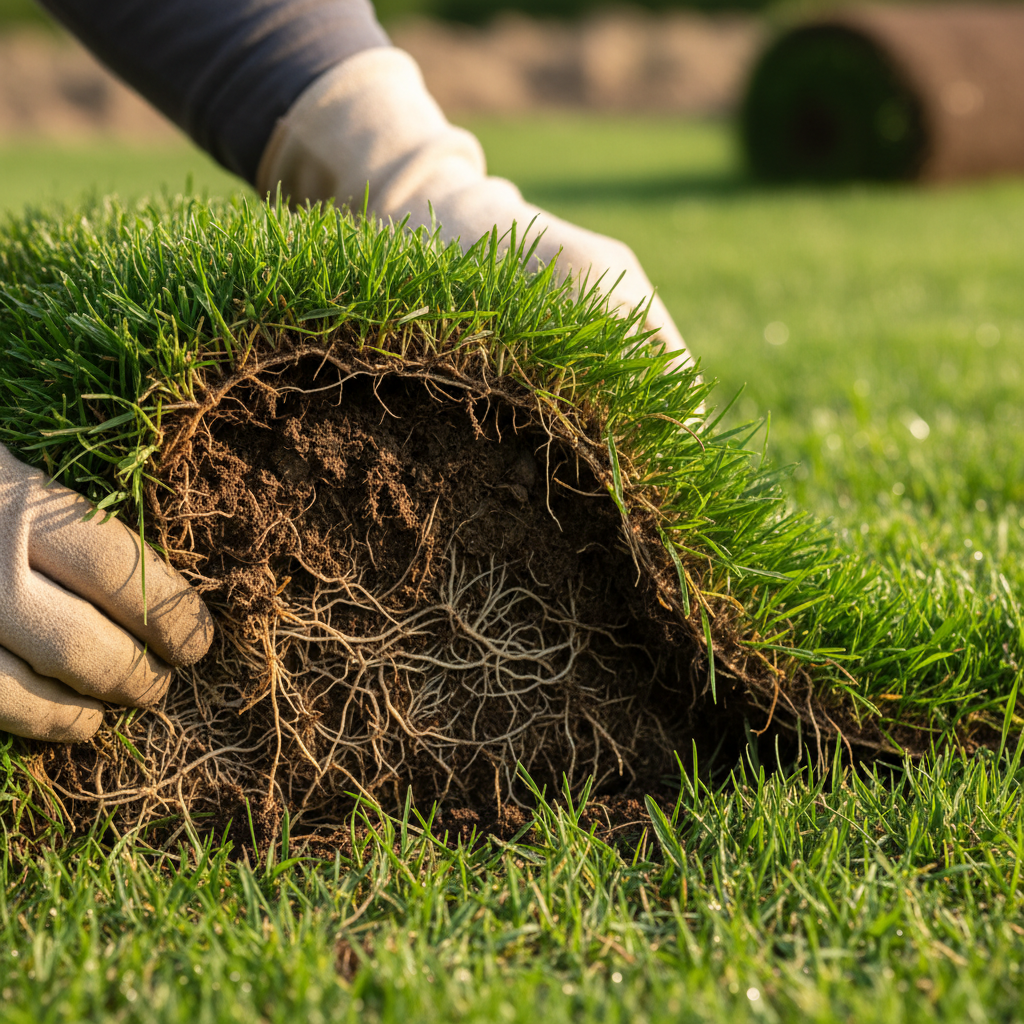
For sod installation, lay the sod pieces tightly together to avoid gaps. Stagger the seams in a brick-like pattern for a seamless appearance. Roll the sod with a lawn roller to ensure good soil contact and eliminate air pockets.
Watering and Maintenance
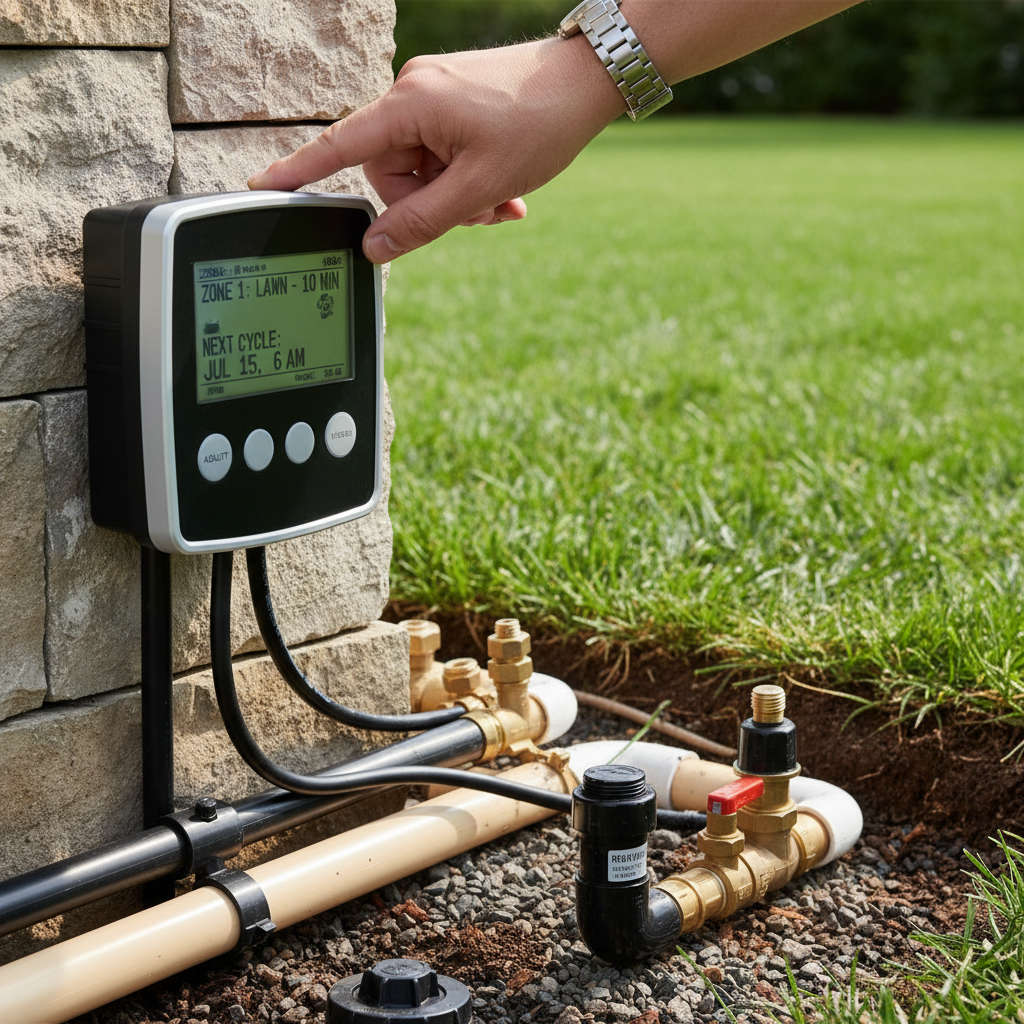
Watering is critical during the initial stages of lawn establishment. Keep the soil consistently moist, but avoid overwatering. Over time, gradually reduce the frequency to encourage deep root growth.
Regular maintenance, including mowing, fertilizing, and aerating, will keep your lawn healthy and lush. Follow a seasonal maintenance schedule to address the specific needs of your lawn throughout the year.
Troubleshooting Common Issues
Even with the best care, lawns can encounter problems such as pests, diseases, or nutrient deficiencies. Early detection and treatment are crucial to prevent these issues from worsening. Keep an eye out for unusual discoloration or patchiness, and consult a professional if needed.
Implementing integrated pest management (IPM) strategies can help mitigate pest problems while minimizing the use of chemicals. Regularly inspect your lawn to catch any issues before they become significant.
By following these expert tips, you'll be well on your way to achieving a lush, green lawn that enhances the beauty of your property. With proper planning, installation, and maintenance, your lawn will be the envy of the neighborhood.