The Ultimate Guide to Mulching Services: Benefits and Best Practices


Understanding Mulching Services
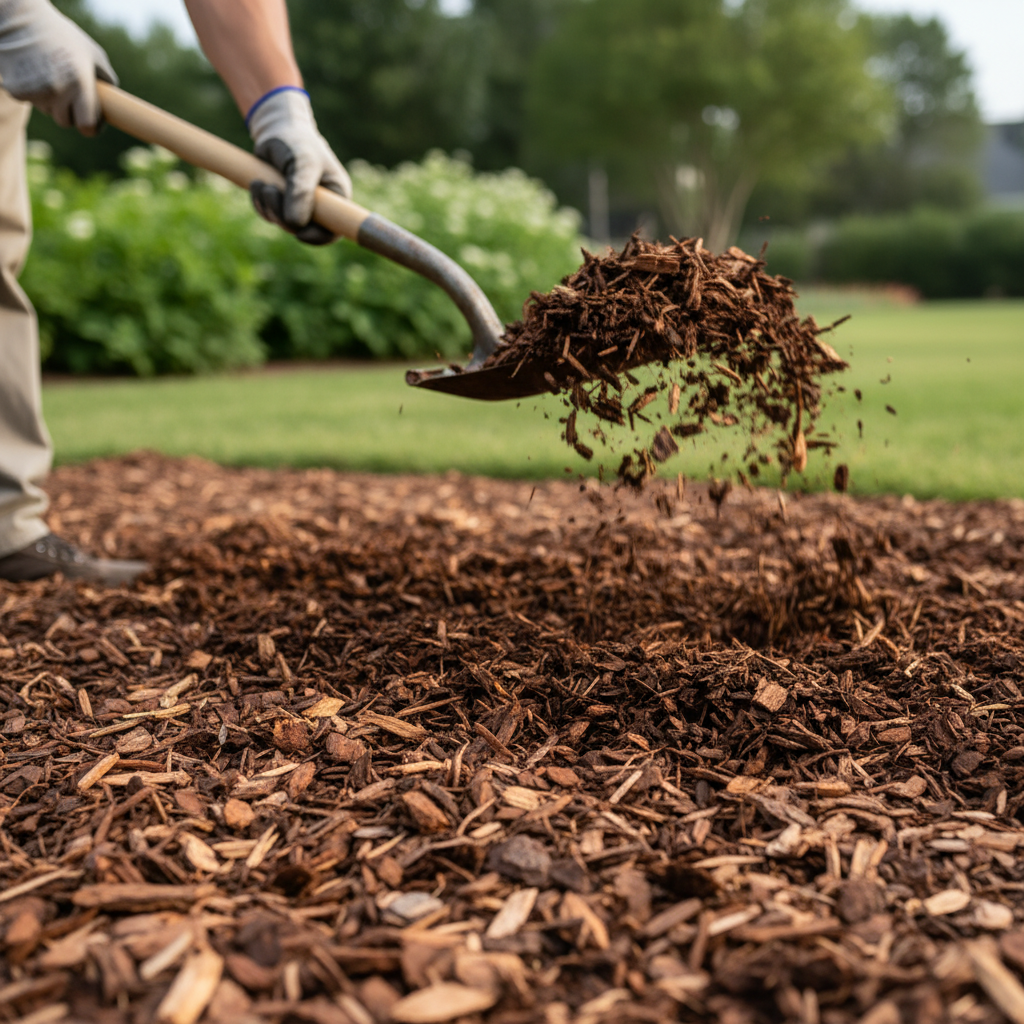
Mulching is an essential practice for maintaining a healthy and vibrant garden. By applying a layer of material on the soil surface, mulching helps improve soil health, retain moisture, and suppress weed growth. This guide will explore the benefits and best practices for effective mulching services.
Whether you're a homeowner looking to enhance your garden or a professional landscaper, understanding the nuances of mulching can significantly impact your landscape's appearance and health.
Benefits of Mulching
Moisture Retention
One of the primary benefits of mulching is its ability to retain moisture. By reducing evaporation, mulch helps keep the soil damp, which is particularly beneficial during dry seasons. This can significantly reduce the need for frequent watering.
Weed Suppression
Mulch acts as a barrier that prevents sunlight from reaching the soil, thereby inhibiting weed growth. By minimizing weeds, mulching reduces competition for nutrients and allows your plants to thrive.
Soil Temperature Regulation
Mulching helps regulate soil temperature by keeping it cooler in the summer and warmer in the winter. This creates a more stable environment for plant roots, promoting healthier growth throughout the year.
Types of Mulch
There are two main types of mulch: organic and inorganic. Each has its own set of benefits and best use cases.
- Organic Mulch: Includes materials like wood chips, straw, leaves, and compost. Over time, organic mulch breaks down, enriching the soil with nutrients.
- Inorganic Mulch: Comprises materials such as gravel, stones, and landscape fabrics. These are long-lasting and particularly effective for decorative purposes.
Best Practices for Mulching
Proper Application
When applying mulch, ensure a layer of 2-4 inches thick. Too little may not effectively prevent weed growth, while too much can suffocate plant roots. Always leave some space around plant stems to prevent rot.
Timing and Maintenance
Spring and fall are ideal times for applying mulch. Regular maintenance, such as topping up and replacing old mulch, ensures continued effectiveness. Check periodically for signs of decomposition or compaction.
Conclusion
Mulching is a simple yet powerful tool for enhancing garden health and aesthetics. By understanding its benefits and following best practices, you can create a thriving outdoor space. Whether you opt for organic or inorganic materials, consistent application and maintenance will keep your garden looking its best.