The Ultimate Guide to Pressure Washing: Everything You Need to Know


What is Pressure Washing?
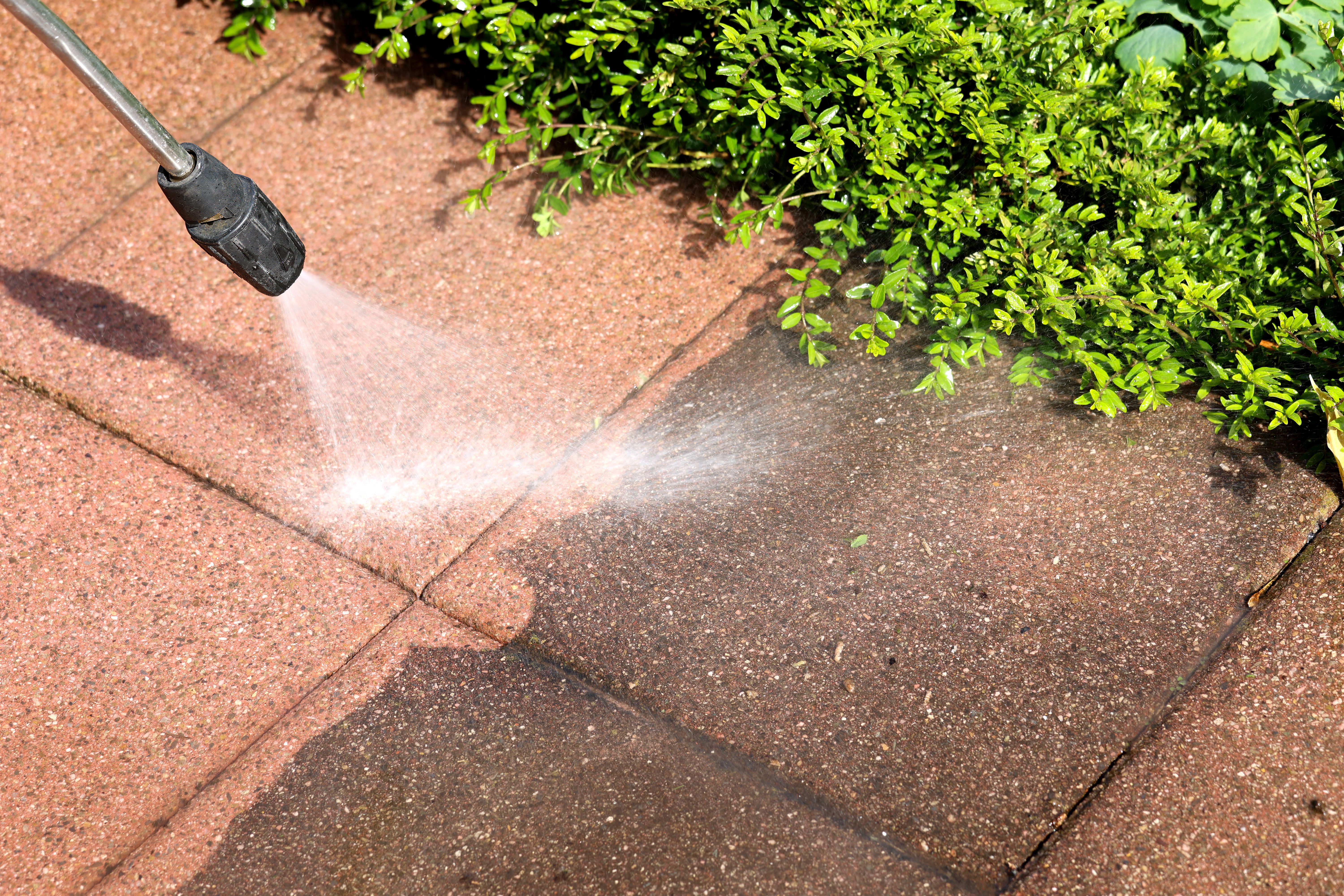
Pressure washing is a highly effective cleaning method using high-pressure water spray to remove dirt, grime, mold, mildew, and other unwanted substances from surfaces. It's commonly used on driveways, decks, patios, and building exteriors. This method is not only efficient but also environmentally friendly, often eliminating the need for harsh chemicals.
Benefits of Pressure Washing
One of the primary benefits of pressure washing is its ability to enhance curb appeal. Whether you're preparing your home for sale or simply want to boost its appearance, pressure washing can make a significant difference. Additionally, it helps maintain the longevity of surfaces by removing harmful contaminants that can cause deterioration over time.
Pressure washing also offers health benefits. By eliminating mold and mildew, you reduce potential allergens and create a healthier environment for your family. Furthermore, regular cleaning prevents the build-up of slippery substances, reducing the risk of slips and falls.
Choosing the Right Equipment
When it comes to selecting a pressure washer, consider factors such as power level, portability, and attachments. Electric pressure washers are suitable for smaller tasks and easier to handle, while gas-powered units are more powerful and ideal for larger jobs. Ensure your equipment comes with the necessary nozzles and accessories to tackle various surfaces effectively.
Understanding Pressure Levels
The pressure level of a washer is measured in PSI (pounds per square inch). For light-duty jobs such as cleaning vehicles or patio furniture, a pressure washer with 1,300-1,900 PSI is sufficient. Medium-duty jobs like cleaning fences and decks typically require 2,000-2,800 PSI. Heavy-duty tasks such as concrete cleaning may need 2,900 PSI or more.
Safety Tips for Pressure Washing
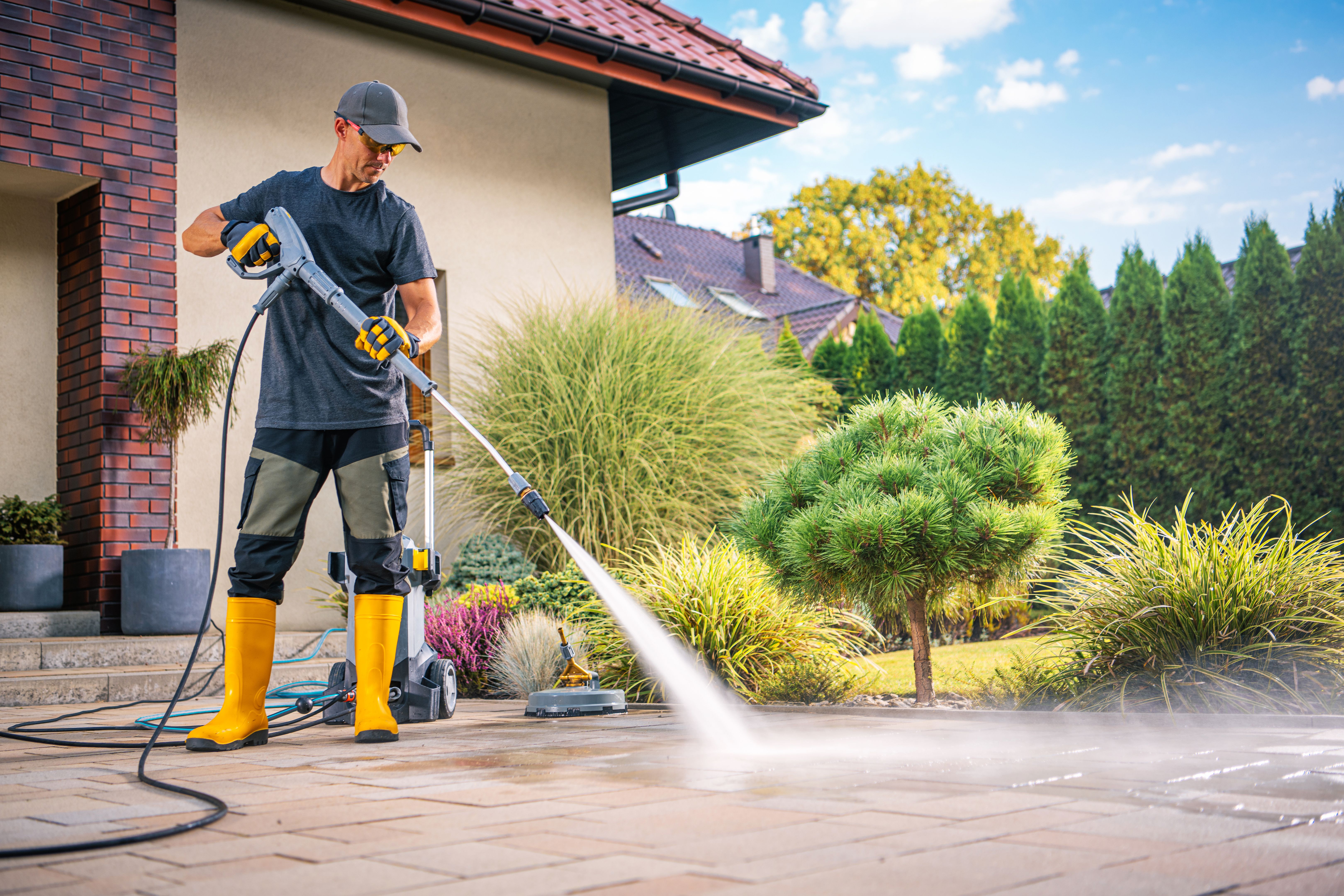
Safety is paramount when using a pressure washer. Always wear protective gear such as goggles and gloves to protect yourself from flying debris and high-pressure water. It's essential to read the user manual thoroughly before operating the machine to understand its functionalities and limitations.

Avoiding Common Mistakes
One common mistake is using too high a pressure setting on delicate surfaces, which can lead to damage. Always test a small area first to ensure the pressure is appropriate. Another error is neglecting to angle the spray correctly; improper angles can cause water to penetrate cracks and lead to damage over time.
Steps for Effective Pressure Washing
- Prepare the Area: Remove any objects or debris from the work area to ensure an unobstructed cleaning path.
- Choose the Right Nozzle: Select the appropriate nozzle for the job. A wider spray pattern is less aggressive and better for delicate surfaces.
- Start with Low Pressure: Begin with lower pressure settings to avoid unintended damage and gradually increase if necessary.
- Maintain a Consistent Distance: Keep the nozzle at a consistent distance from the surface to ensure even cleaning.
Maintaining Your Pressure Washer
Proper maintenance of your pressure washer ensures its longevity and performance. After each use, clean the nozzles and hose to prevent blockages. Regularly inspect the machine for any signs of wear or damage. Store it in a dry place away from extreme temperatures to protect its components.
When to Hire Professionals
While DIY pressure washing can be rewarding, there are situations where hiring professionals is advisable. For intricate jobs or when working at heights, professionals have the expertise and equipment to handle complex tasks safely and efficiently. Additionally, they can tackle large commercial projects that require industrial-grade equipment.
Pressure washing is a versatile and effective cleaning solution that offers numerous benefits. By understanding its uses, selecting the right equipment, and following safety guidelines, you can achieve excellent results in maintaining your property's cleanliness and appearance.