The Ultimate Guide to Pressure Washing Your Home


Introduction to Pressure Washing
Pressure washing is a powerful cleaning method that can rejuvenate the exterior of your home, making it look fresh and well-maintained. By using high-pressure water spray, it effectively removes dirt, grime, mold, and other unsightly marks from various surfaces. Whether you're preparing for a big event or simply maintaining your home's appearance, pressure washing is a cost-effective solution.
Benefits of Pressure Washing
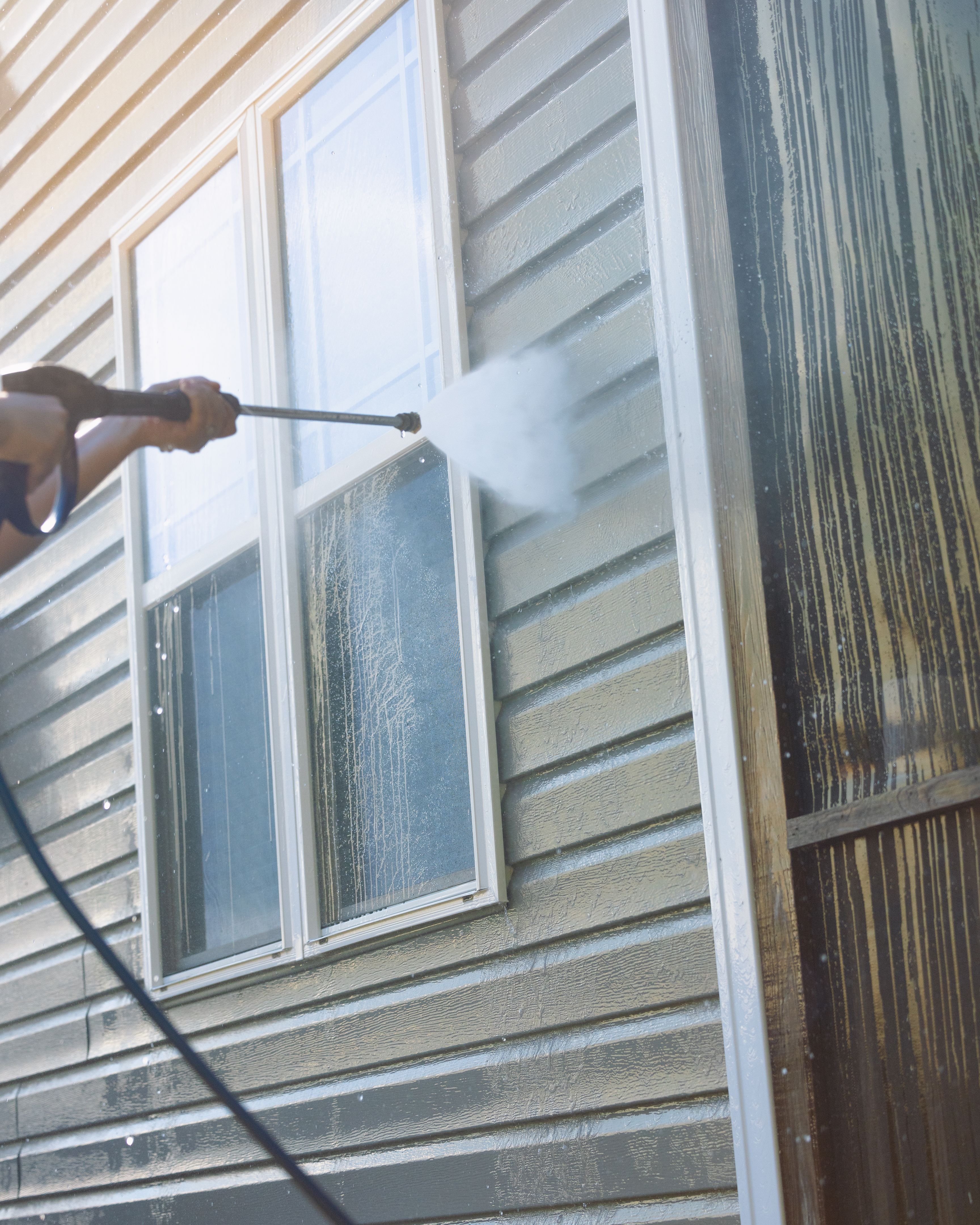
There are numerous benefits to pressure washing your home. Not only does it improve curb appeal, but it also helps in extending the life of your exterior surfaces. Regular cleaning prevents the buildup of harmful substances that can cause long-term damage. Moreover, pressure washing can increase your property's value, making it an excellent investment for homeowners considering selling in the future.
Essential Equipment and Safety Tips
Before starting, it's crucial to gather the right equipment. You'll need a pressure washer, which comes in electric and gas models, along with appropriate nozzles for different surfaces. Safety is paramount, so always wear protective gear such as gloves and goggles. Keep in mind to never aim the pressure washer at people or pets, and be cautious around windows and electrical outlets.
Choosing the Right Pressure Washer
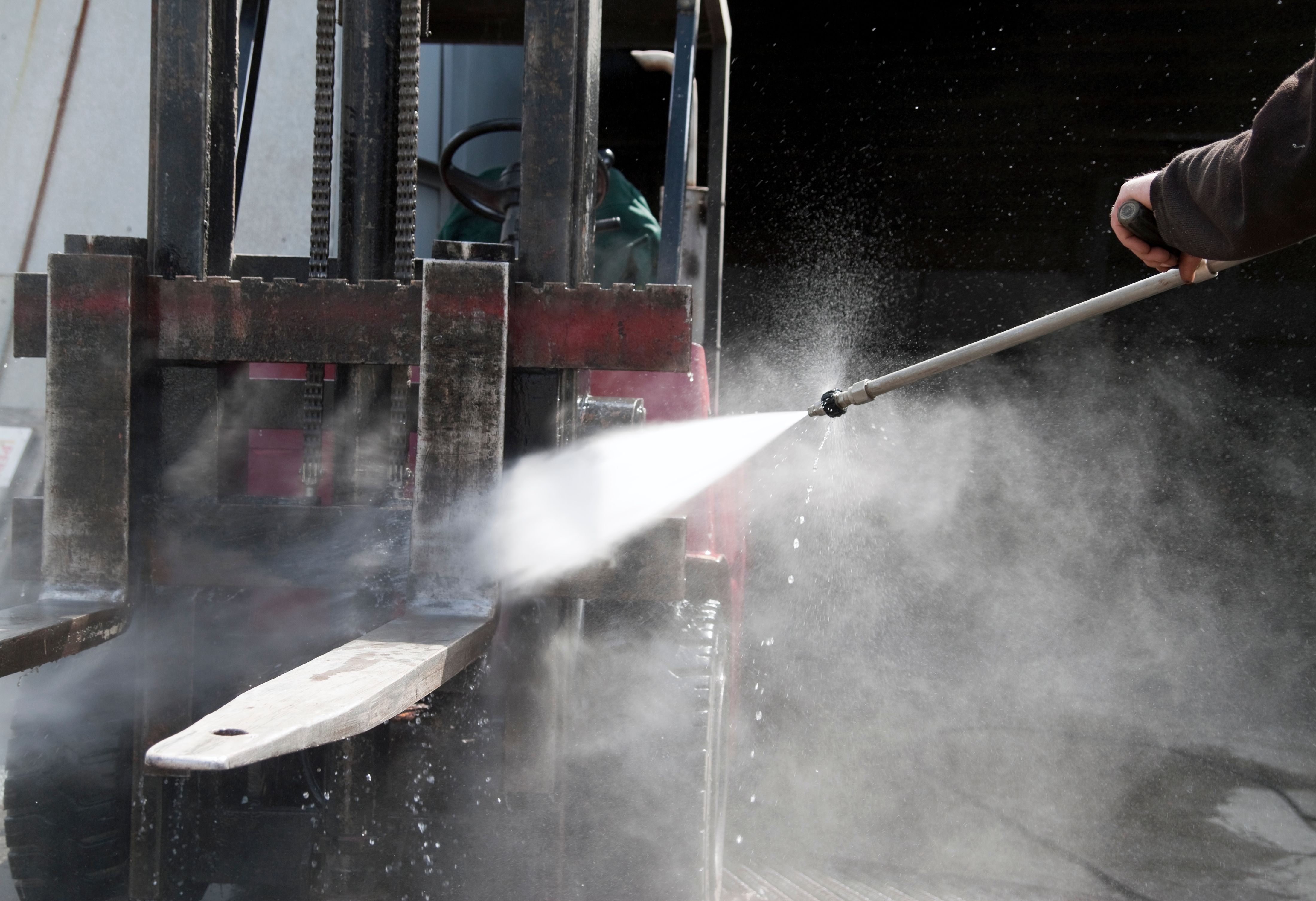
When selecting a pressure washer, consider the cleaning power measured in PSI (pounds per square inch) and GPM (gallons per minute). For residential use, a machine with a PSI of 1,500 to 3,000 is usually sufficient. Electric models are quieter and more suitable for lighter tasks, while gas models provide more power for tougher jobs.
Preparing Your Home for Pressure Washing
Proper preparation is key to a successful pressure washing session. Begin by removing any obstacles around the area you'll be cleaning. Cover plants, electrical outlets, and delicate fixtures with plastic sheeting or tarps. Additionally, ensure all windows and doors are tightly closed to prevent water from seeping inside.

Effective Techniques for Different Surfaces
Different surfaces require different techniques. For siding, start at the top and work your way down to avoid streaks. Use a wide spray pattern to cover more area efficiently. For driveways and walkways, a surface cleaner attachment can provide a more even clean. Always test a small area first to ensure compatibility with the surface material.
Common Mistakes to Avoid
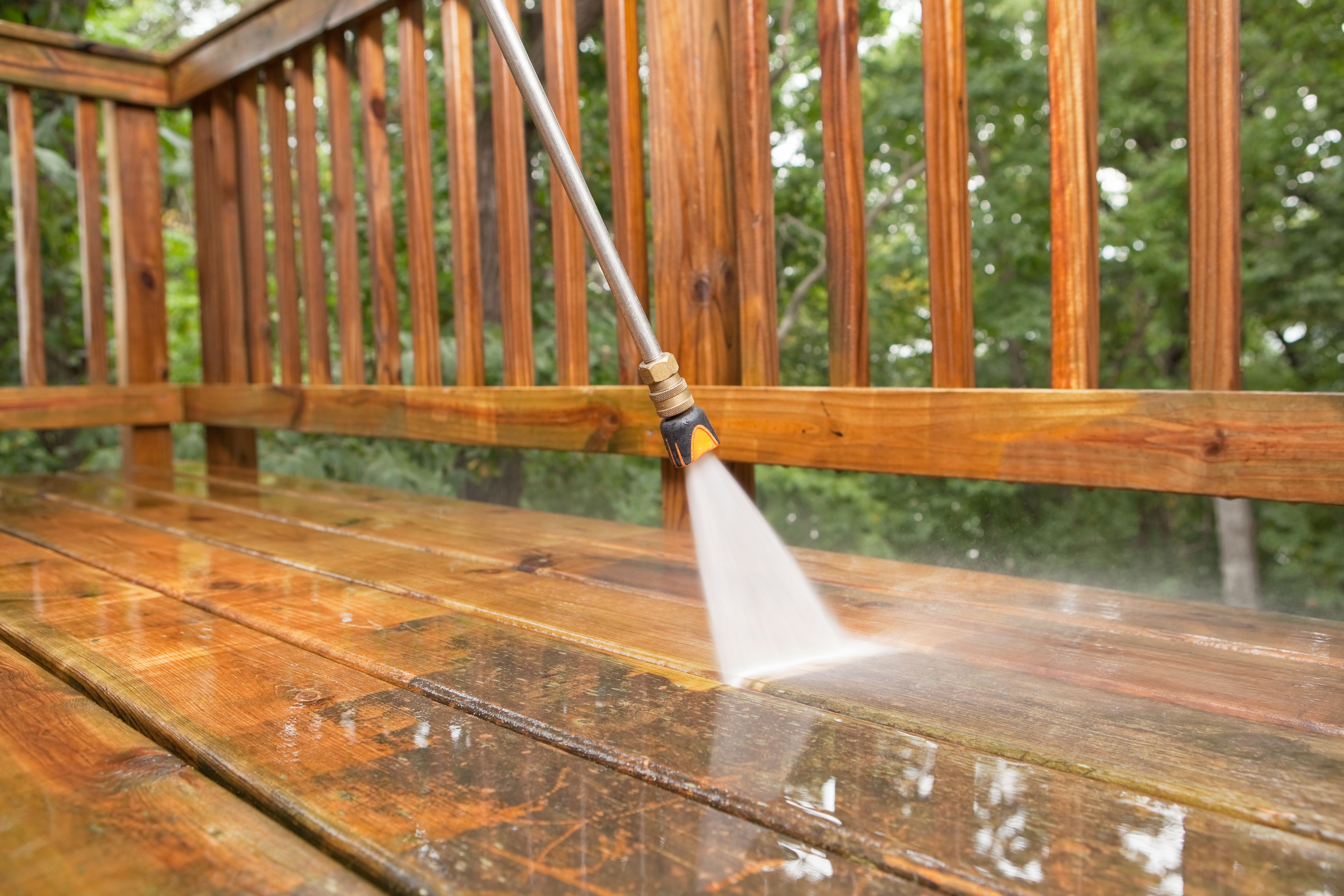
While pressure washing is straightforward, there are common mistakes to avoid. Using too much pressure can damage surfaces like wood and paint. Holding the nozzle too close can also lead to unwanted marks or etching. It's important to move the spray in a consistent sweeping motion to prevent these issues.
Maintaining Your Pressure Washer
After completing your cleaning project, proper maintenance of your pressure washer ensures its longevity. Rinse out any detergent used, and store the machine in a dry place to prevent rust and corrosion. Regularly inspect hoses and nozzles for wear and replace them as needed.
Conclusion
Pressure washing is an efficient way to maintain your home's exterior and boost its appearance. By understanding the benefits, preparing adequately, and using the right techniques, you can achieve professional-level results without hiring a contractor. Remember to follow safety precautions and maintain your equipment to enjoy years of effective cleaning.