The Ultimate Guide to Pressure Washing Your Home: Tips and Techniques


Understanding Pressure Washing
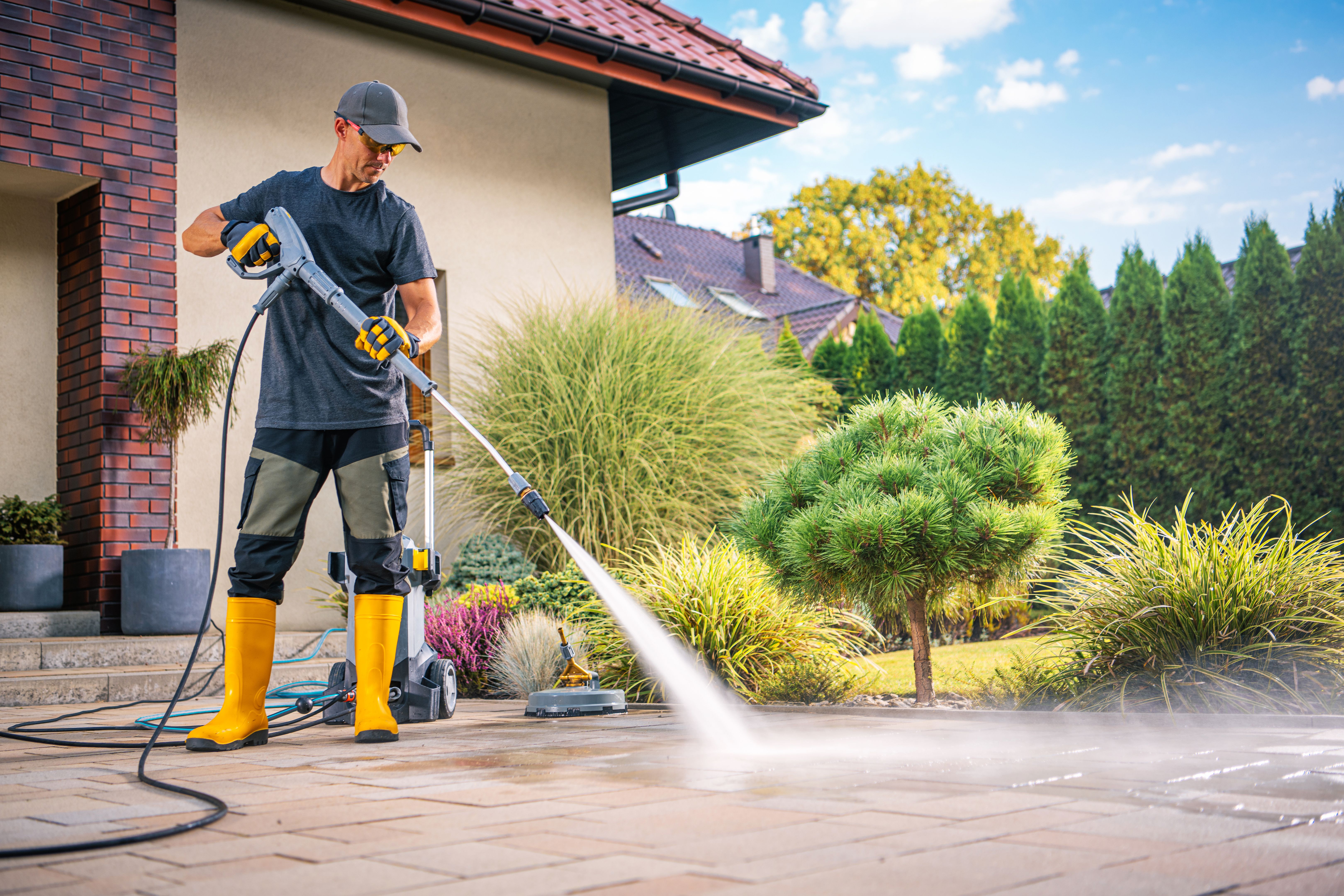
Pressure washing is an effective way to clean the exterior surfaces of your home, removing dirt, grime, and mildew. This method uses high-pressure water spray to tackle stubborn stains and is ideal for surfaces like driveways, sidewalks, decks, and siding. Understanding the basics of pressure washing will help you achieve the best results while ensuring the safety of your surfaces.
Choosing the Right Equipment
Before you start, it's crucial to select the right pressure washer for your needs. There are two main types: electric and gas-powered. Electric pressure washers are generally lighter and quieter, suitable for small to medium tasks. In contrast, gas-powered washers offer more power and are better for larger projects.
Consider the pressure, measured in pounds per square inch (PSI), and the water flow, measured in gallons per minute (GPM). For residential use, a pressure washer with 2,000 to 3,000 PSI and 2 to 3 GPM is typically sufficient.
Preparing Your Home for Pressure Washing
Proper preparation is key to a successful pressure washing session. Start by removing any loose debris or furniture from the area. Cover plants and electrical outlets to protect them from water damage. It's also wise to close windows and doors to prevent water from seeping inside.

Safety First
Safety should always be a priority. Wear protective gear, such as gloves and goggles, to shield yourself from flying debris and water spray. Be mindful of your surroundings and maintain a firm grip on the pressure washer to avoid accidents.
Techniques for Effective Pressure Washing
When pressure washing, always start from the top of the surface and work your way down. This method prevents dirt and debris from settling on areas you've already cleaned. Use a sweeping motion, keeping the nozzle at a consistent distance from the surface.
Choosing the Right Nozzle
Nozzles play a crucial role in the pressure washing process. They come in different angles, each serving a specific purpose. A 0-degree nozzle provides a concentrated, powerful spray, while a 40-degree nozzle offers a wider, gentler spray. For most surfaces, a 25-degree nozzle is a good starting point.
Post-Wash Care and Maintenance
After pressure washing, it's important to perform routine maintenance on your equipment. Rinse the pressure washer to remove any residual detergent and dirt. Store it in a dry, safe place to prolong its lifespan. Additionally, inspect your home for any signs of damage or areas that may need further cleaning.
Environmental Considerations
Be mindful of the environmental impact when pressure washing. Use biodegradable detergents and avoid washing near water sources to prevent contamination. Proper waste disposal is essential to minimize your ecological footprint.
Conclusion
Pressure washing is a powerful tool for maintaining the exterior of your home. By choosing the right equipment, preparing properly, and using effective techniques, you can achieve great results. Remember to prioritize safety and environmental care to enjoy a clean and beautiful home.