The Ultimate Guide to Pressure Washing Your Home: Tips and Techniques


Understanding Pressure Washing
Pressure washing is a powerful and efficient way to clean the exterior of your home. By using high-pressure water spray, you can remove dirt, grime, mold, and mildew from surfaces like siding, driveways, decks, and patios. Regular pressure washing not only improves your home's curb appeal but also helps maintain its structural integrity.
Essential Equipment and Safety Tips
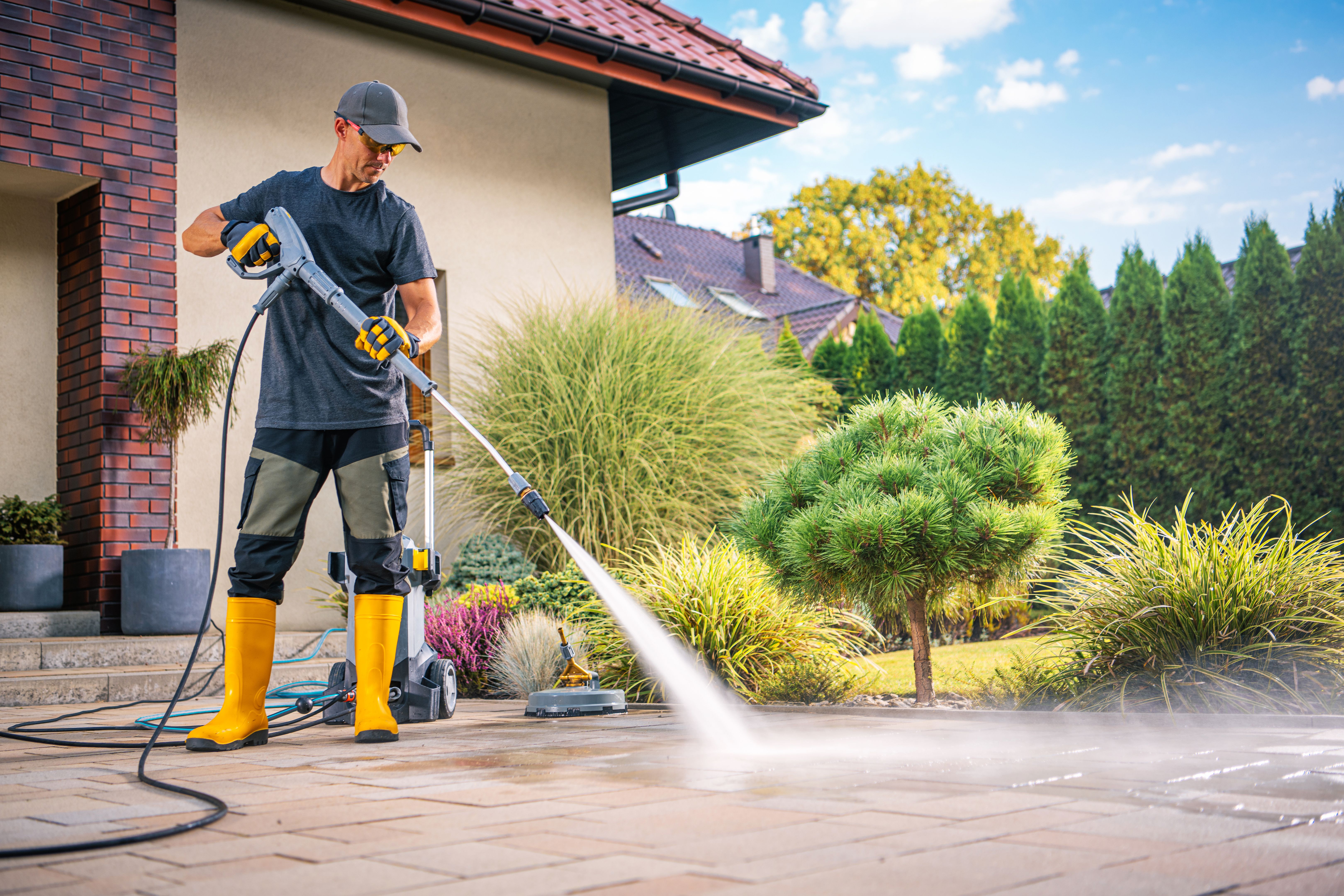
Before you begin, it's crucial to have the right equipment. You'll need a pressure washer, which can be rented or purchased, along with appropriate nozzles for different surfaces. Safety gear is also important: wear goggles, gloves, and sturdy footwear to protect yourself from flying debris and high-pressure water jets.
Always read the manufacturer's instructions for your pressure washer, and test it on a small, inconspicuous area to ensure it won't damage the surface you're cleaning. Be cautious of electrical outlets and wiring, and never aim the pressure washer at people or pets.

Choosing the Right Pressure Settings
Different surfaces require different pressure settings. For instance, wood surfaces like decks and fences need a lower pressure to prevent damage, while concrete driveways can withstand higher pressures. Adjust the nozzle and pressure settings accordingly, and keep the nozzle at a consistent distance from the surface to ensure even cleaning.
Here’s a quick guide to pressure settings:
- Wood surfaces: 500-700 PSI
- Concrete driveways: 2500-3000 PSI
- Brick surfaces: 1500 PSI
Techniques for Effective Cleaning
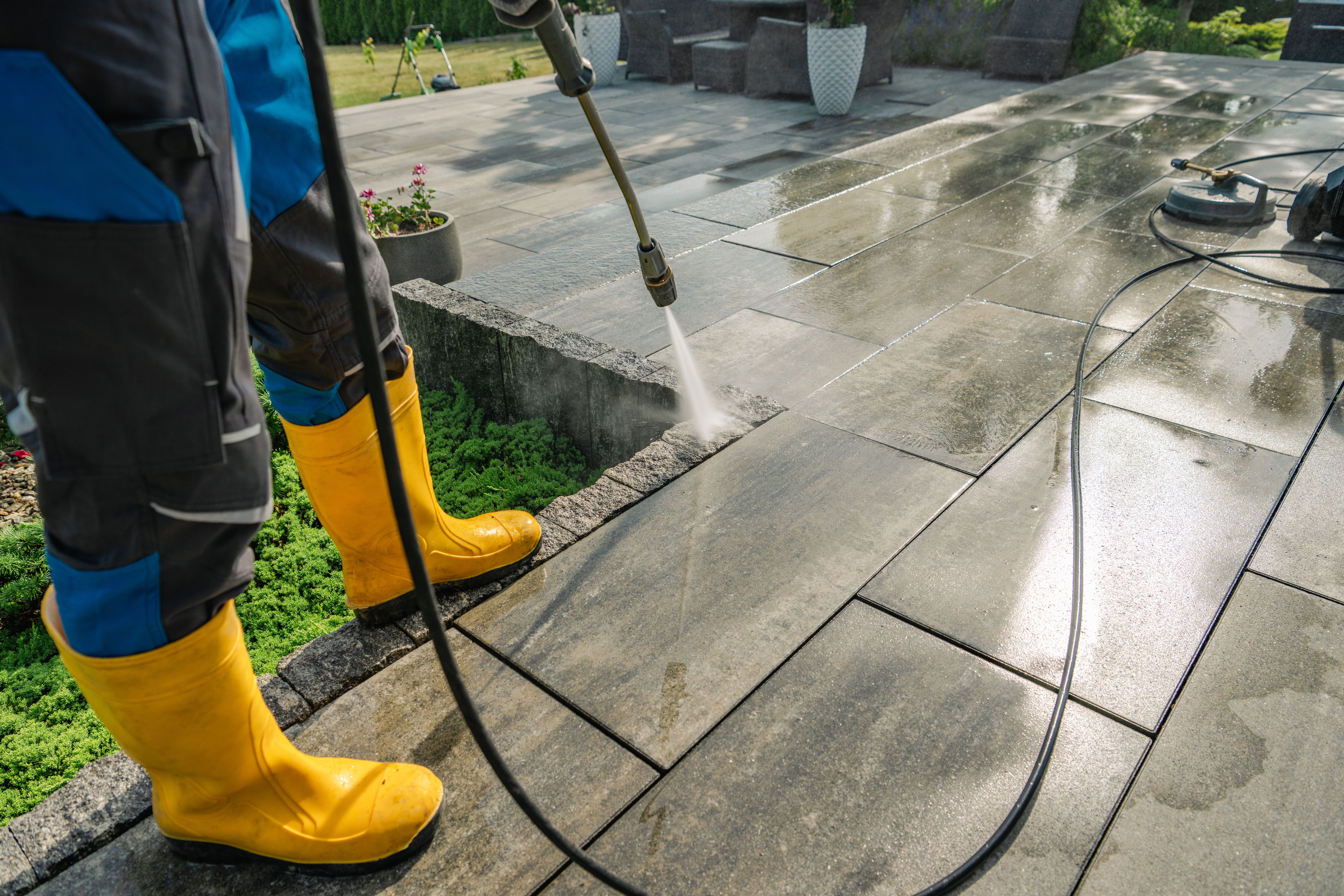
When pressure washing, use a sweeping motion, and overlap each pass slightly to ensure complete coverage. Start from the top and work your way down to avoid streaking. For stubborn stains, you might need to use a detergent. Apply it with the pressure washer's detergent nozzle, let it sit for a few minutes, and then rinse thoroughly.
If you’re cleaning vertical surfaces, work in small sections and make sure to rinse off the detergent before it dries. This prevents streaks and ensures a uniform clean.
Environmental Considerations
While pressure washing is effective, it’s important to consider the environmental impact. Use eco-friendly detergents and be mindful of water usage. Avoid pressure washing during drought conditions, and ensure that runoff doesn’t flow into storm drains, as this can carry pollutants into local waterways.
Some communities have regulations regarding pressure washing, so check with local authorities before you begin. This ensures compliance with environmental laws and helps protect your local ecosystem.

Maintenance After Pressure Washing
Once you’ve finished pressure washing, it’s important to maintain the cleanliness of your surfaces. Regular sweeping and rinsing can prevent the buildup of dirt and grime. For wooden surfaces, consider applying a sealant to protect against weathering and extend the life of the wood.
For ongoing maintenance, set a schedule for pressure washing based on the specific needs of your home and environment. This proactive approach keeps your home looking its best and prevents long-term damage.