The Ultimate Guide to Pressure Washing Your Home


Understanding Pressure Washing
Pressure washing is a powerful cleaning method that uses high-pressure water spray to remove dirt, grime, mold, and other unwanted substances from surfaces. It's an effective way to maintain your home's exterior and enhance its curb appeal. Whether you're dealing with a grimy driveway or a moss-covered deck, pressure washing can be an excellent solution.
The key to successful pressure washing lies in understanding the right techniques and equipment. Using the wrong settings or cleaning solutions can damage surfaces, so it's essential to be informed before starting the process.
Choosing the Right Equipment
When it comes to pressure washers, you have a choice between electric and gas-powered models. Electric pressure washers are typically lighter and quieter, making them suitable for smaller tasks like cleaning patios and outdoor furniture. On the other hand, gas-powered pressure washers offer more power and are better suited for larger areas such as driveways and house exteriors.
Ensure you select the right nozzle for your specific task. Nozzles are color-coded to indicate the spray angle: red for zero degrees, yellow for 15 degrees, green for 25 degrees, and white for 40 degrees. Using the correct nozzle will help you clean efficiently without damaging surfaces.
Preparing Your Home for Pressure Washing
Before you begin pressure washing, take some time to prepare your home. Start by removing any obstacles such as outdoor furniture, potted plants, and vehicles. Cover any delicate plants and electrical outlets with plastic sheeting to protect them from water damage.
Inspect the surfaces you'll be cleaning for any loose or damaged areas. Repairing these spots beforehand can prevent further damage during the pressure washing process. Additionally, close all windows and doors to prevent water from entering your home.

Safety Tips and Best Practices
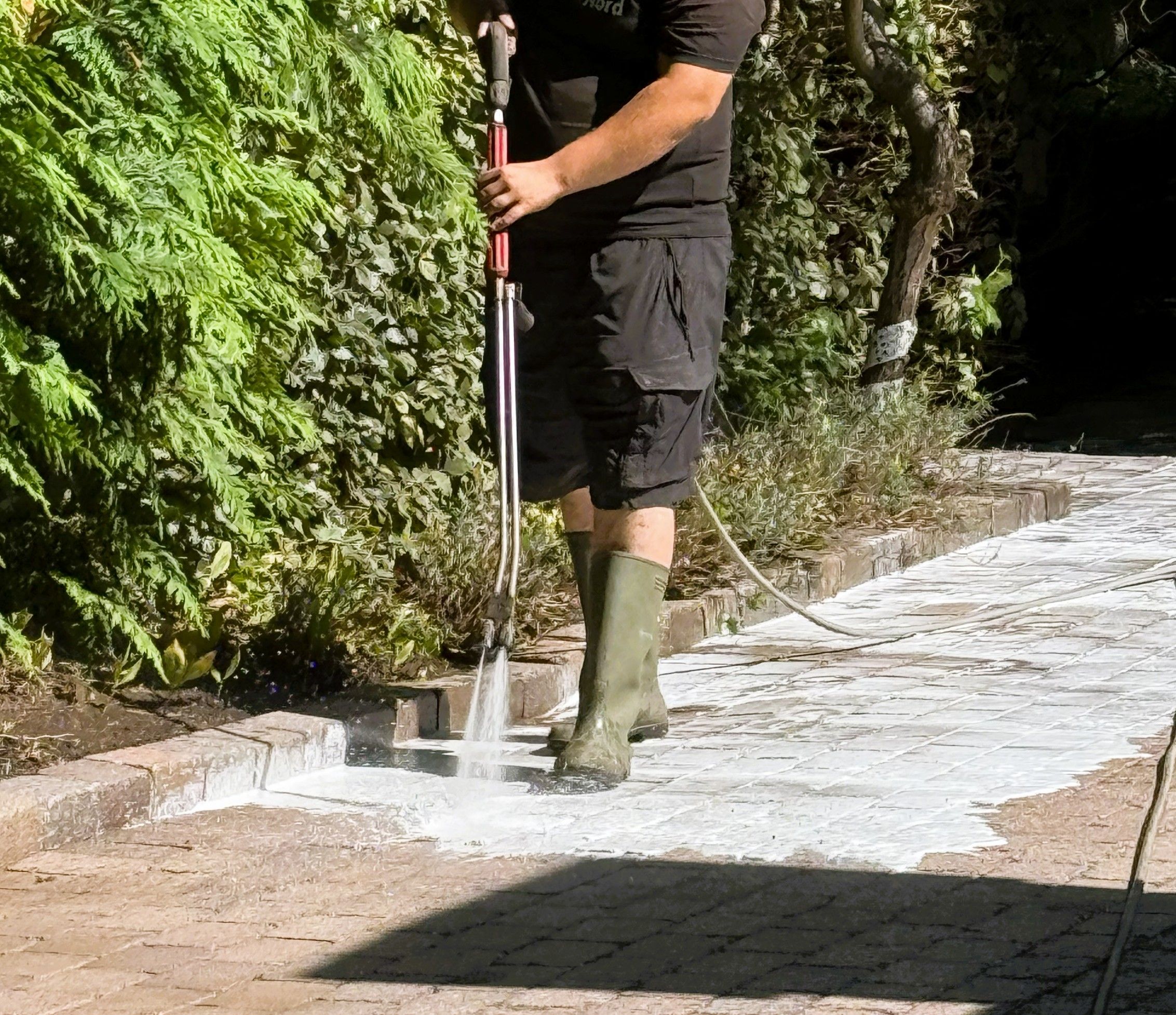
Pressure washing can be hazardous if not done correctly. Always wear protective gear such as safety goggles, gloves, and sturdy footwear to protect yourself from flying debris and high-pressure water jets. Never point the spray at people, pets, or fragile surfaces.
Start with a lower pressure setting and gradually increase if necessary. It's better to use a gentler approach initially to avoid damaging your home's surfaces. Maintain a consistent distance between the nozzle and the surface to ensure even cleaning.
Step-by-Step Pressure Washing Guide
- Set up your pressure washer by connecting it to a water source and checking all connections and hoses for leaks.
- Choose the appropriate nozzle for your cleaning task and attach it securely to the spray wand.
- Test the spray on a small, inconspicuous area to ensure you have the correct pressure and angle.
- Begin cleaning from the top down to avoid streaks and ensure that dirt and debris flow downward.
- Rinse thoroughly after washing to remove any detergent or cleaning solution residue.
Post-Washing Maintenance
Once you've finished pressure washing, it's important to perform some post-cleaning maintenance. Inspect the area for any damage that may have occurred during cleaning. Touch up any areas that need extra attention, and make sure everything is properly dried to prevent mold growth.
Consider applying a sealant to surfaces like decks and driveways to protect them from future damage. Regular maintenance and periodic pressure washing can keep your home looking pristine year-round.
Conclusion
Pressure washing is a fantastic way to revitalize your home's exterior, but it requires careful planning and execution. By choosing the right equipment, preparing adequately, and following safety guidelines, you can achieve professional results with ease. Keep your home looking its best with regular pressure washing and enjoy the enhanced appearance and value it brings.