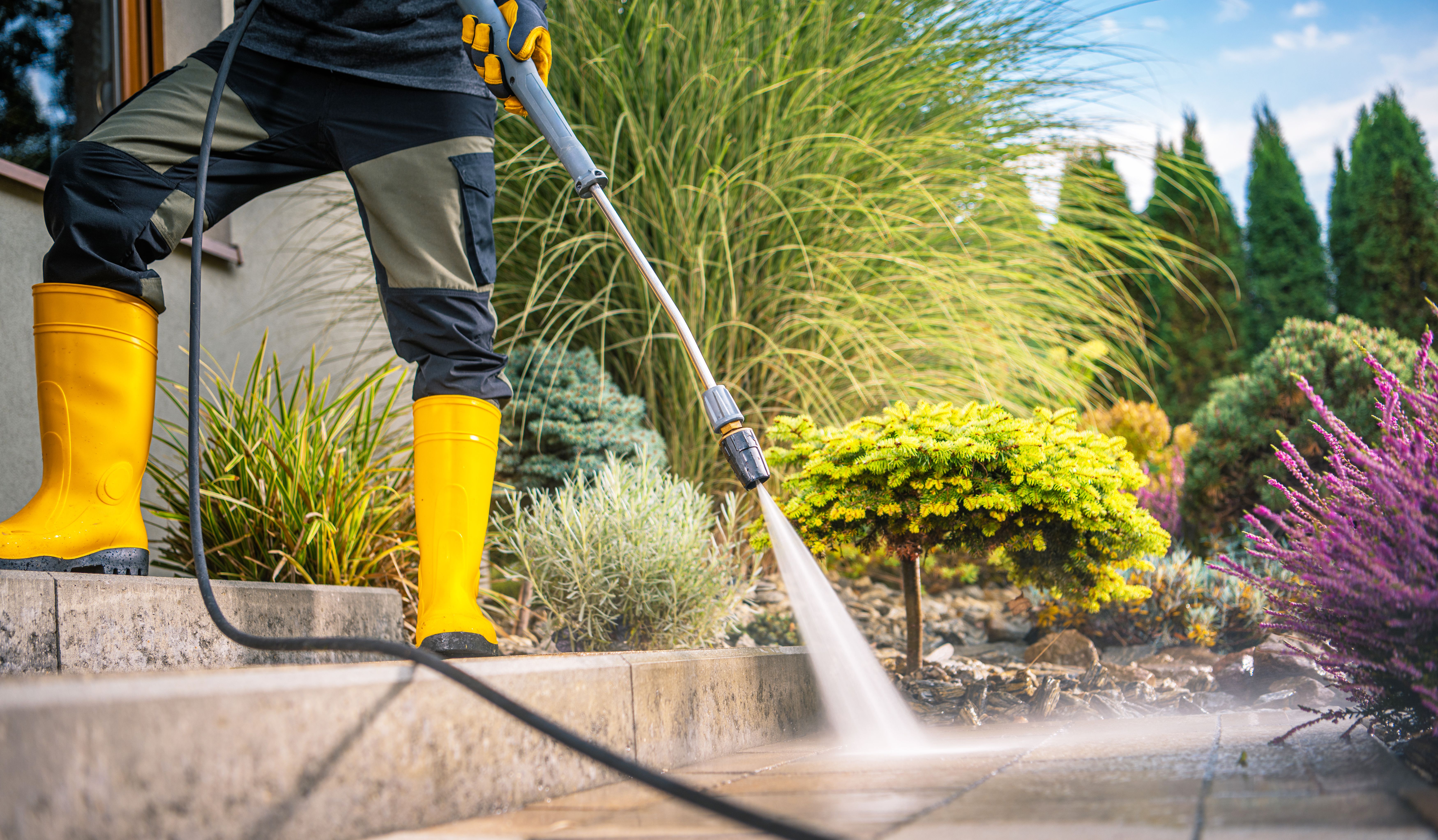
The Ultimate Guide to Pressure Washing Your Home


Understanding Pressure Washing
Pressure washing is a highly effective method for cleaning various surfaces around your home. It uses high-pressure water spray to remove dirt, grime, mold, and other unwanted substances. Whether you're cleaning your siding, driveway, or patio, pressure washing can restore the look of your surfaces, making them appear almost new again.
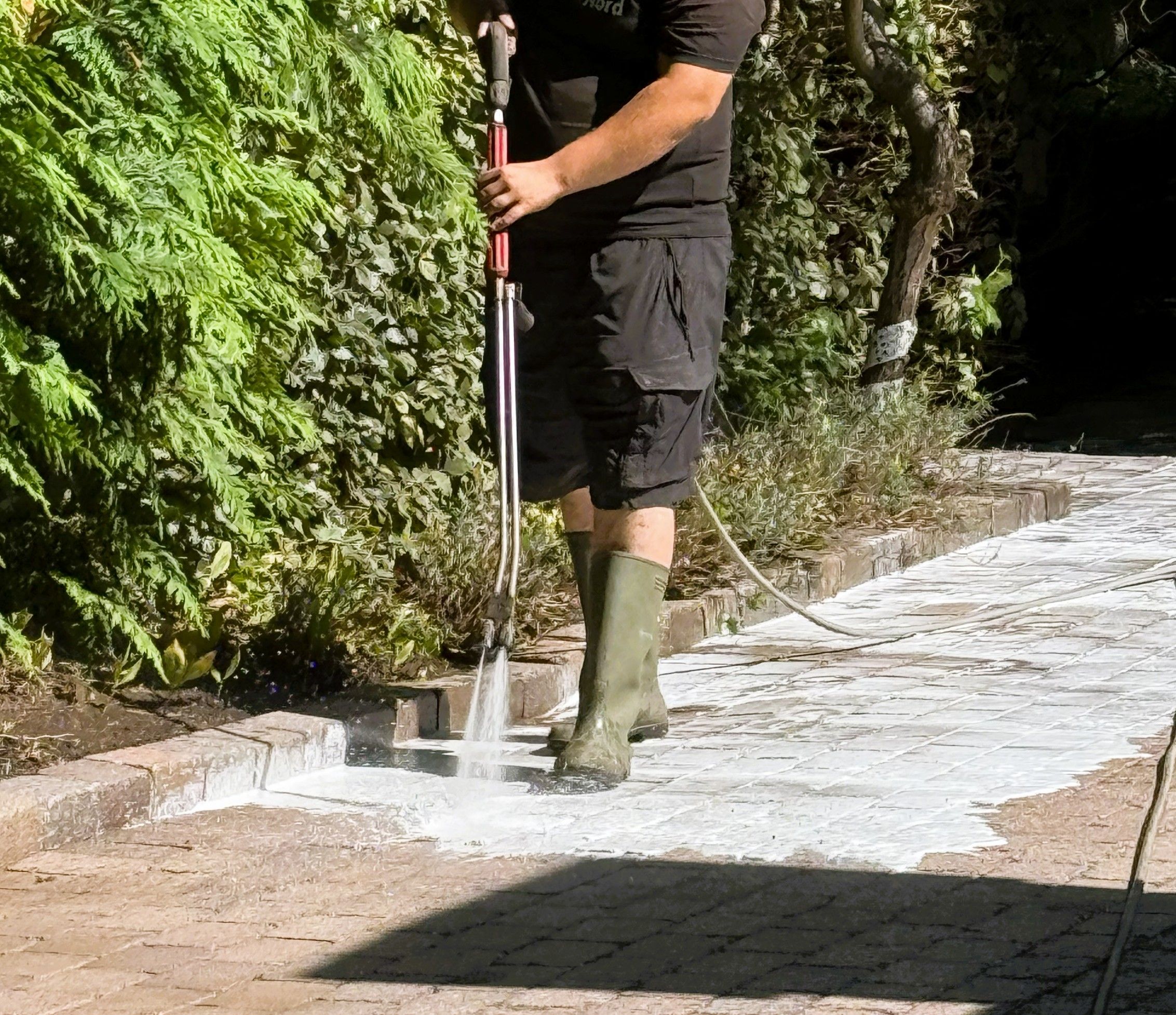
Why Pressure Wash Your Home?
Regular pressure washing helps maintain the aesthetic appeal of your property and prolongs the life of surfaces by removing harmful buildup. It can also enhance curb appeal, which is particularly beneficial if you're planning to sell your home. Moreover, pressure washing is an environmentally friendly cleaning method, as it typically requires no harsh chemicals.
Gathering the Right Equipment
To get started, you'll need a pressure washer, which can be rented or purchased. Additionally, gather safety gear such as gloves and goggles to protect yourself from flying debris. It's also wise to have cleaning detergents specifically designed for pressure washing, which can help tackle stubborn stains.
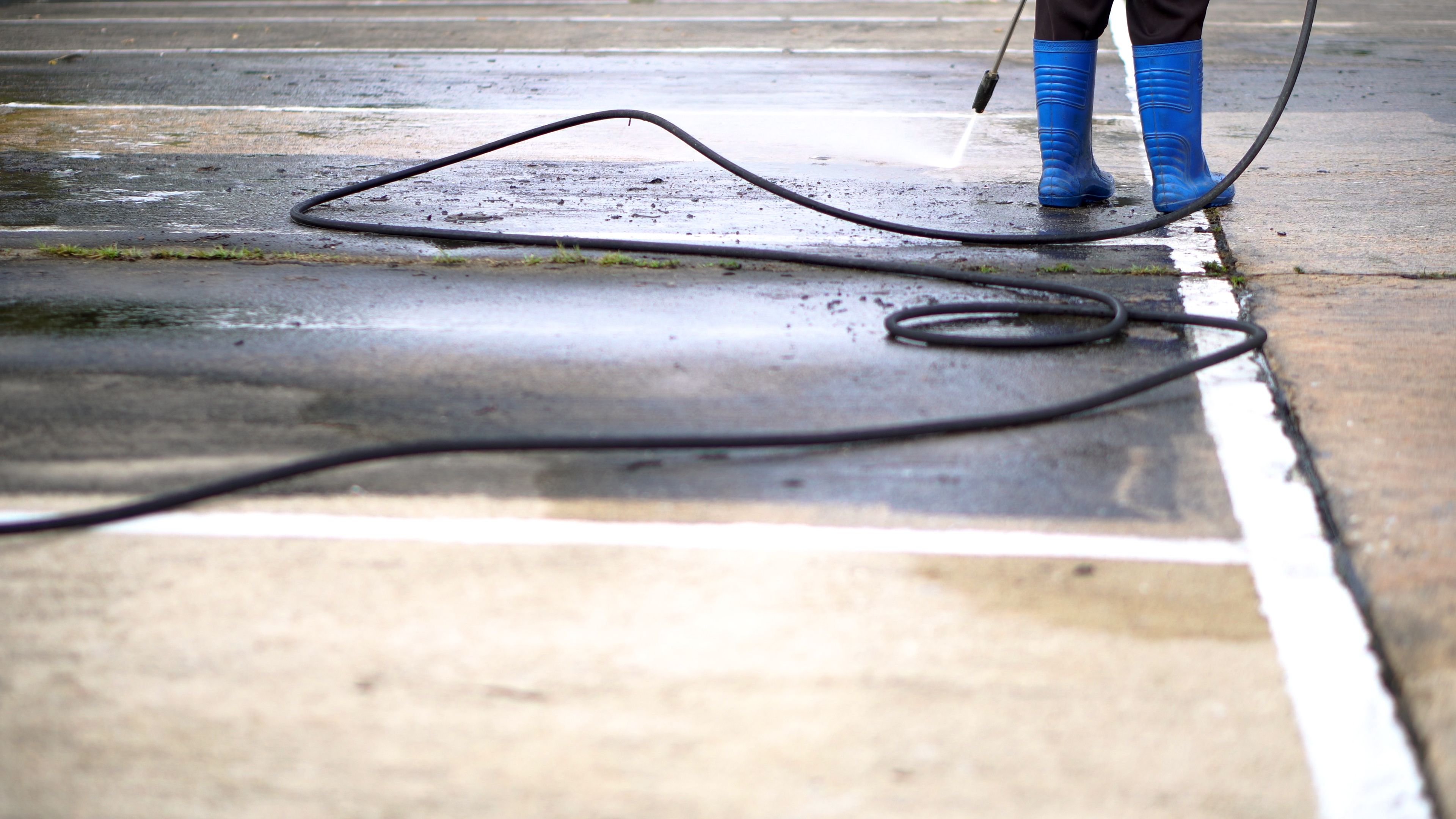
Choosing the Right Pressure Washer
Pressure washers come in various models, with different pressure levels measured in PSI (pounds per square inch). For home use, a pressure washer with a PSI between 1,300 and 2,400 is typically sufficient. Electric pressure washers are ideal for small to medium tasks, while gas-powered ones are better for larger jobs.
Preparing Your Home
Before you begin pressure washing, take the time to prepare your home. Close windows, remove any outdoor furniture, and cover plants to protect them from the high-pressure spray. Inspect surfaces for any damages that might need repair before washing.

Step-by-Step Pressure Washing Guide
- Connect your pressure washer: Attach it to a water source and ensure all connections are secure.
- Test the spray: Start with a low-pressure setting to test the spray on a small, inconspicuous area.
- Begin washing: Work from the top down, maintaining a consistent distance from the surface to avoid damage.
- Rinse thoroughly: Ensure all detergent and debris are rinsed away completely.
Safety Considerations
While pressure washing is effective, it can be dangerous if not done correctly. Always wear protective gear and be cautious of electrical outlets and power lines. Avoid using a ladder while operating a pressure washer, as the force can cause loss of balance.
Post-Washing Maintenance
After washing, it's essential to inspect the surfaces for any missed spots or damage. Consider applying a protective sealant to areas like decks or patios to enhance their durability. Regular maintenance will help keep your home looking pristine year-round.