The Ultimate Guide to Pressure Washing Your Home


Understanding the Basics of Pressure Washing
Pressure washing is a highly effective way to clean various outdoor surfaces around your home. By using a high-pressure water spray, you can remove dirt, grime, mold, and other unwanted substances from surfaces like driveways, decks, and siding. However, it's essential to understand the basics before starting.
Pressure washers come in different models and power levels, and selecting the right one for your needs is crucial. You'll want to consider factors like the surface you're cleaning and the level of dirt buildup. A pressure washer that's too powerful can damage surfaces, while one that's too weak may not clean effectively.
Choosing the Right Equipment
When selecting a pressure washer, there are two main types to consider: electric and gas-powered. Electric models are generally quieter and more suited for lighter tasks, while gas-powered ones offer more power for tougher jobs. Additionally, the pressure washer's PSI (pounds per square inch) and GPM (gallons per minute) are critical specifications that determine its power and efficiency.
Look for a machine that provides adjustable pressure settings. This feature allows you to tailor the water pressure to match different surfaces, ensuring effective cleaning without causing damage. It's also beneficial to have a variety of nozzles and attachments to tackle various cleaning tasks.

Preparing Your Home for Pressure Washing
Before you begin pressure washing, it's important to prepare your home and the surrounding area. Start by removing any obstacles that might be in the way, such as outdoor furniture, plants, or vehicles. Cover any delicate plants or surfaces with plastic sheeting to protect them from the spray.
Inspect the surfaces you'll be cleaning for any damage or loose materials. Repairing these areas beforehand will help prevent further damage during the cleaning process. Additionally, ensure all windows and doors are tightly closed to prevent water from entering your home.

Proper Techniques for Effective Cleaning
Using the right techniques is key to achieving a thorough clean without damaging your property. Always start with a low-pressure setting to test the surface, gradually increasing the pressure as needed. Keep the nozzle at a consistent distance, typically about 12 to 18 inches from the surface, to ensure even cleaning.
Work in small sections, moving the nozzle in a consistent sweeping motion. This will help avoid streaks and ensure that every part of the surface is evenly cleaned. For stubborn stains, consider using a detergent specifically designed for pressure washers, following the manufacturer's instructions for safe use.
Safety Tips and Maintenance
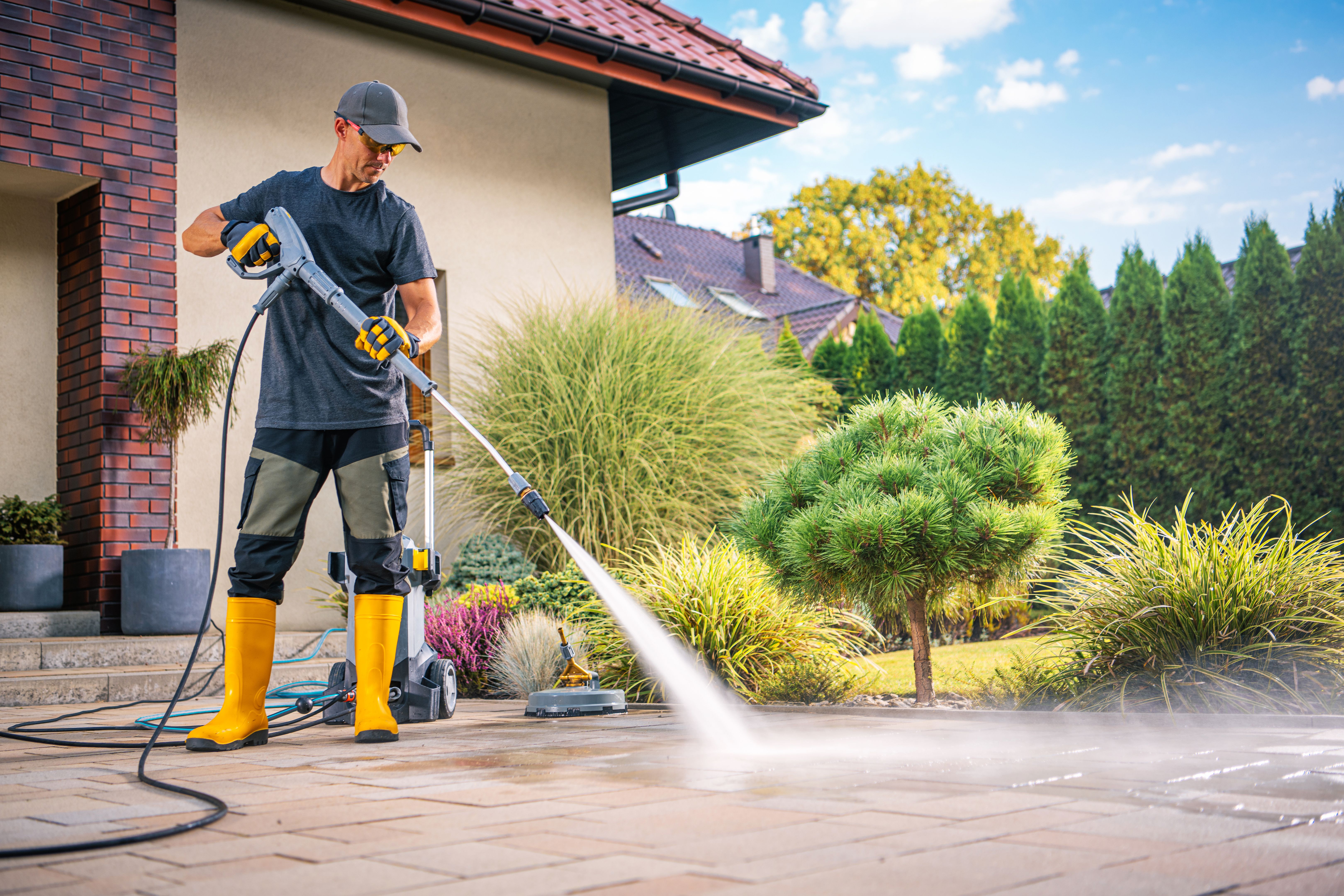
Pressure washing can be hazardous if not done carefully. Always wear protective gear, including safety goggles and gloves, to protect yourself from flying debris and high-pressure water. Be mindful of electrical outlets and wiring, keeping a safe distance to avoid accidents.
After completing your pressure washing tasks, proper maintenance of your equipment is essential for longevity. Clean the nozzles and hoses, and store the pressure washer in a dry place. Regular maintenance checks can help prevent future issues and keep your equipment in top condition.

Conclusion
Pressure washing your home can significantly enhance its appearance and prolong the life of its surfaces. By understanding the equipment, preparing properly, using correct techniques, and maintaining safety, you can achieve professional-level results. Whether you're cleaning your driveway, deck, or siding, these tips will help you make the most of your pressure washing efforts.