The Ultimate Guide to Pressure Washing Your Home


Introduction to Pressure Washing
Pressure washing is an effective way to maintain your home's exterior, ensuring it remains clean and free from dirt, mold, and grime. This powerful cleaning method uses a high-pressure water spray to remove stubborn stains and restore surfaces to their original beauty. Understanding the right techniques and tools is essential for achieving the best results.
Choosing the Right Equipment
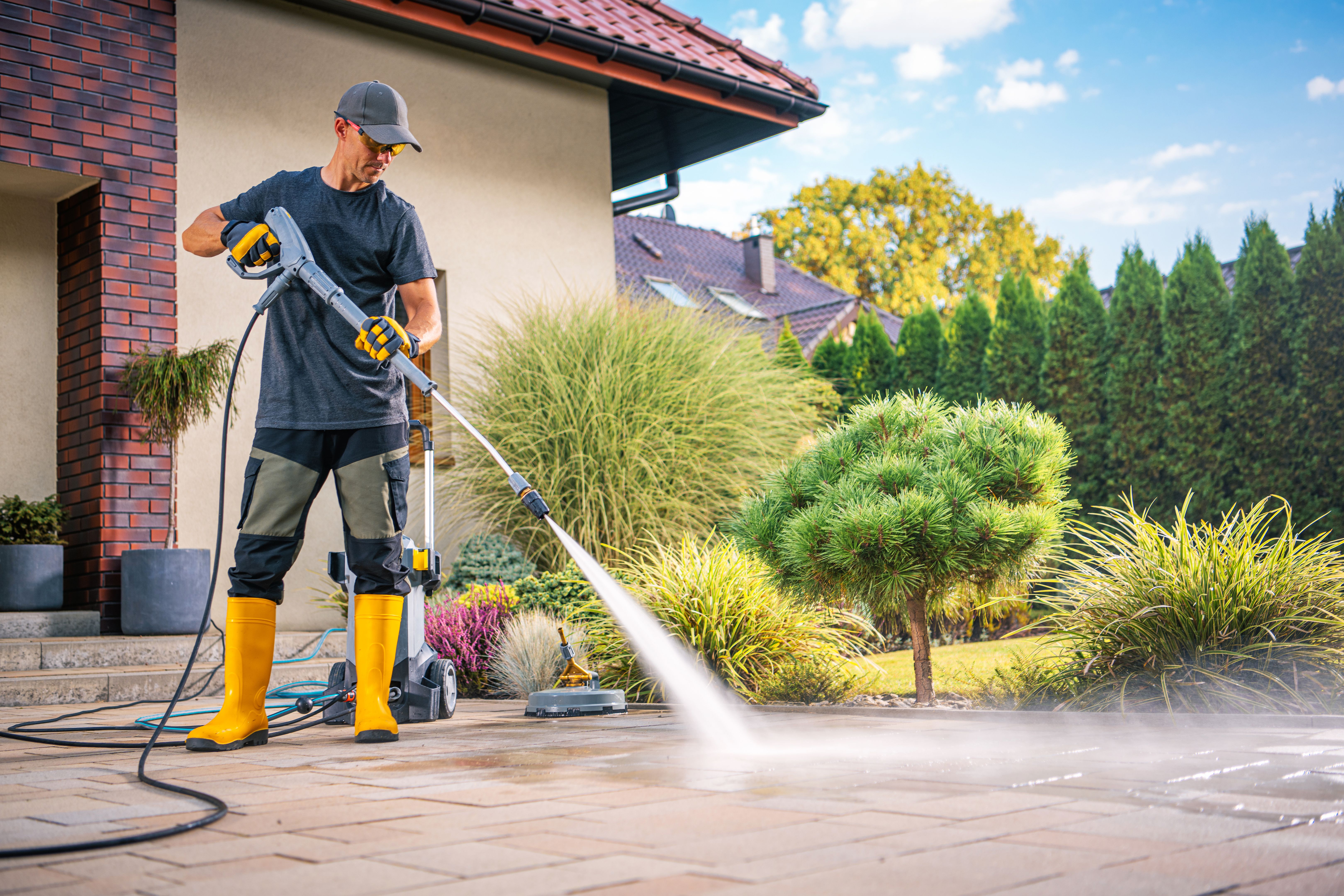
Before you begin, selecting the proper pressure washer is crucial. There are two main types: electric and gas-powered. Electric pressure washers are ideal for small to medium-sized jobs, offering enough power for most residential needs. Gas-powered pressure washers, on the other hand, provide higher pressure and are better suited for larger areas or more stubborn stains.
Additionally, consider the pressure rating, measured in PSI (pounds per square inch). For home use, a PSI between 1,500 and 2,500 is typically sufficient. Also, ensure you have the appropriate nozzles, as they control the spray pattern and pressure.
Preparing Your Home for Pressure Washing
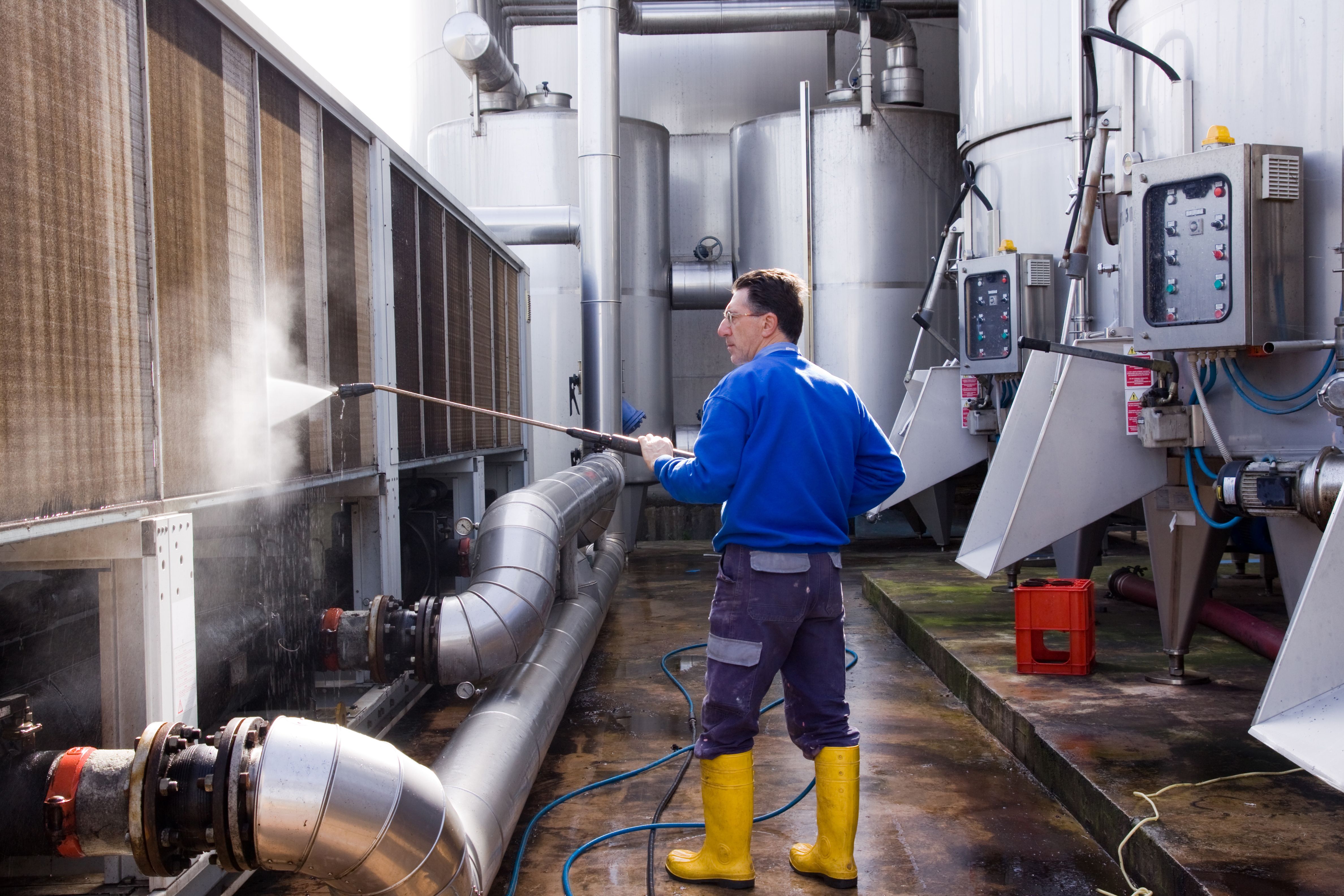
Preparation is key to a successful pressure washing session. Begin by clearing the area of obstacles, including outdoor furniture and plants. Cover any electrical outlets and delicate surfaces with plastic sheeting to protect them from water damage. Safety first: wear protective eyewear and gloves to shield yourself from debris and chemicals.
It's also wise to test a small, inconspicuous area before tackling the entire surface. This will help ensure that your chosen settings won't damage the material.

Effective Pressure Washing Techniques
When you're ready to start, hold the pressure washer nozzle at a 45-degree angle about two feet away from the surface. This angle helps lift dirt and prevents damage. Move in a consistent, sweeping motion to maintain an even clean. For vertical surfaces, start from the bottom and work your way up to avoid streaks.
Be mindful of the nozzle type you're using. A 25-degree nozzle is suitable for general cleaning, while a 15-degree nozzle is more powerful and should be used cautiously on tougher stains.
Cleaning Different Surfaces
Different surfaces require different approaches. For wooden decks, use a lower pressure setting to prevent splintering. Be sure to follow the wood grain for the best results. For concrete driveways, a higher pressure setting can be used to remove oil stains and grime.
With vinyl siding, ensure you’re using a nozzle with a wider spray pattern to avoid denting the material. Always rinse thoroughly after cleaning to remove any soap residue.
Maintaining Your Pressure Washer
Proper maintenance of your pressure washer will extend its lifespan and ensure it works efficiently. After each use, detach and clean the nozzles, drain any remaining water, and store the unit in a dry place. Regularly check hoses and connections for leaks or wear.
Performing routine maintenance can save you time and money in the long run, keeping your equipment ready for the next job.
Conclusion
Pressure washing is a valuable tool in your home maintenance arsenal, offering a quick and effective way to refresh your property. By choosing the right equipment, preparing properly, and applying the correct techniques, you can achieve a pristine clean without professional help. Regular cleaning will not only enhance your home's curb appeal but also protect it from long-term damage.