The Ultimate Guide to Pressure Washing Your Home


Why Pressure Wash Your Home?
Pressure washing is an effective way to maintain your home's exterior, enhancing its curb appeal and prolonging the life of your surfaces. Over time, dirt, mold, and mildew can accumulate on your siding, driveway, and deck, making them look unsightly and potentially causing damage. Regular pressure washing keeps your home looking fresh and prevents costly repairs.
Not only does pressure washing improve the appearance of your property, but it can also protect your family's health by removing allergens and pollutants. This process is a cost-effective way to maintain your home's exterior without resorting to harsh chemicals. Plus, it's much quicker than traditional cleaning methods.
Choosing the Right Equipment
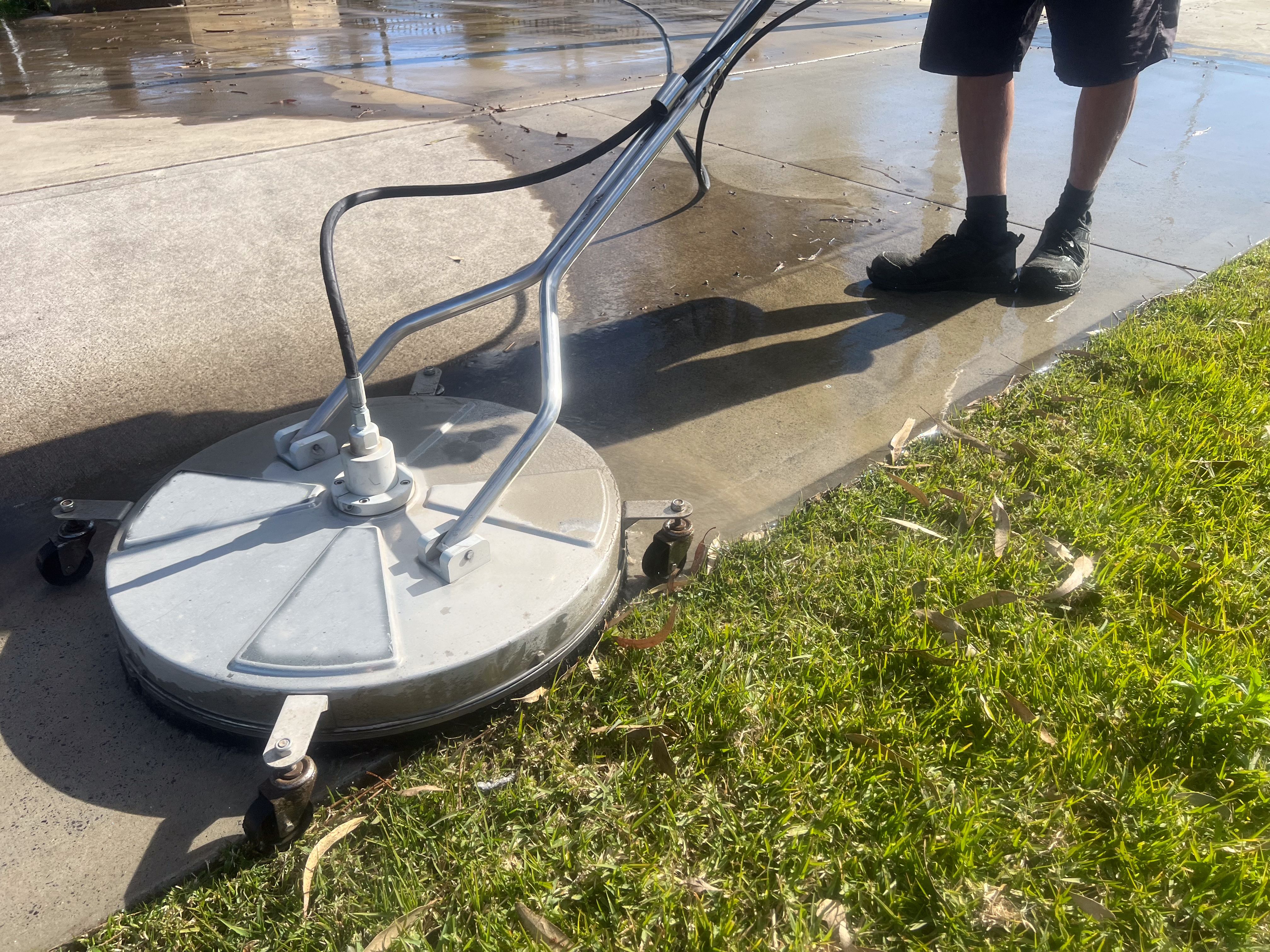
Before you start pressure washing, it's crucial to choose the right equipment for the job. Pressure washers come in various models and power levels, typically measured in pounds per square inch (PSI). For most home uses, a machine with a PSI between 1,300 and 2,400 should suffice.
There are two main types of pressure washers: electric and gas-powered. Electric models are generally quieter and more suitable for small jobs, while gas-powered washers provide more power for larger tasks. Consider the size of the area you need to clean and the type of surface before making a decision.
Essential Safety Tips
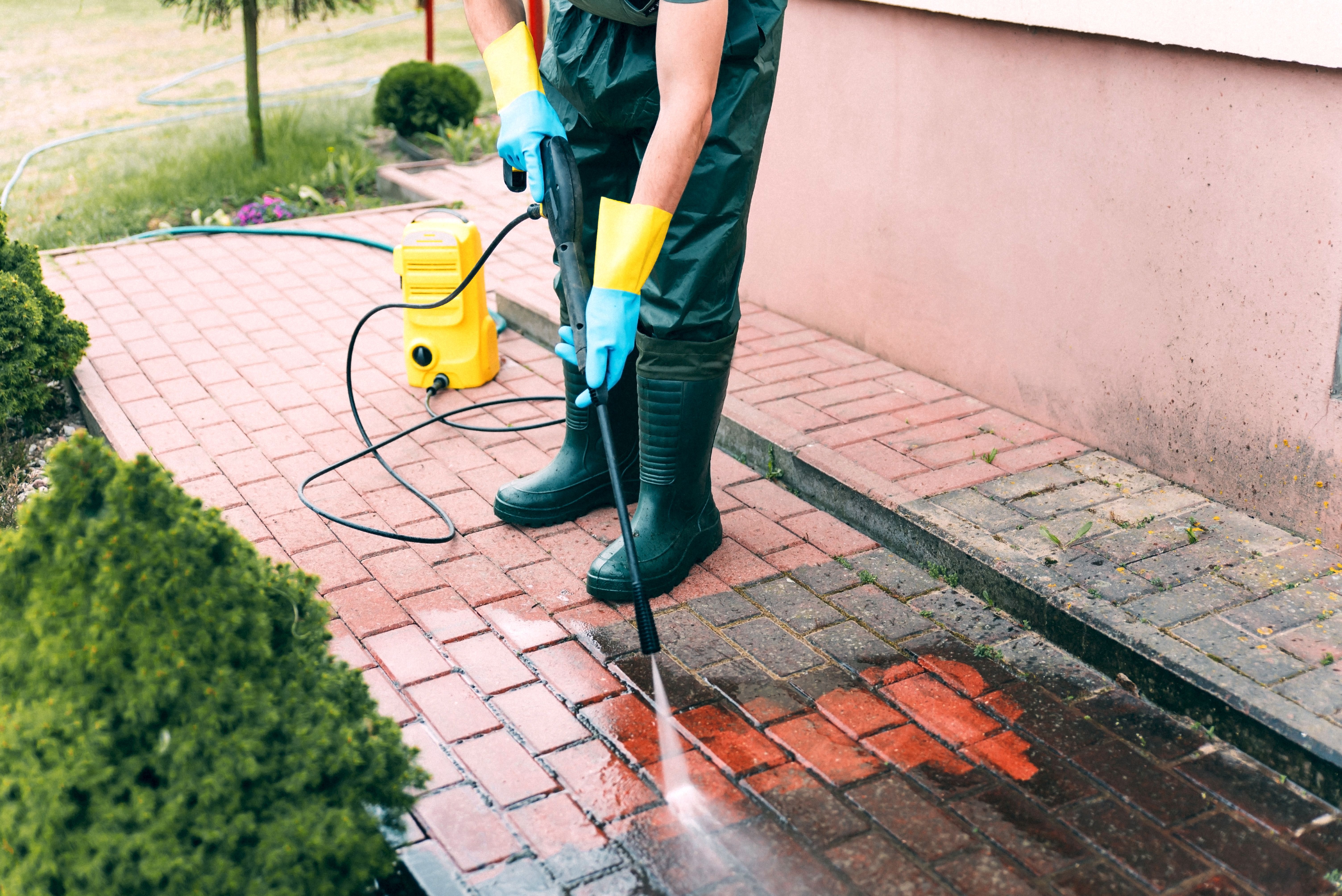
Pressure washers can be powerful tools, so safety should always be a priority. Always wear protective eyewear and clothing to shield yourself from debris. It's also essential to be cautious when using ladders or working on elevated surfaces to avoid accidents.
Ensure you maintain a safe distance from surfaces to prevent damage and always point the nozzle away from people and pets. Start with the lowest pressure setting and gradually increase it as needed.
Preparing Your Home for Pressure Washing
Before starting, clear the area of any obstacles such as furniture or potted plants. Cover any delicate surfaces or areas that might be damaged by water, like electrical outlets, light fixtures, or vents.
Inspect your home's exterior for any loose or damaged siding, which should be repaired before washing. It's also a good idea to close all windows and doors tightly to prevent water from seeping inside.
The Pressure Washing Process
Begin by applying a detergent specifically designed for pressure washers to help loosen dirt and grime. Let the detergent sit for a few minutes but do not let it dry completely. Rinse from top to bottom using smooth, sweeping motions to avoid streaks.
- Start with the roof and work your way down to the foundation.
- Use a wide spray pattern for large areas and switch to a narrower nozzle for stubborn spots.
- Rinse thoroughly to remove all detergent residues.

Maintaining Your Pressure Washer
After completing your pressure washing tasks, it's important to maintain your equipment for future use. Rinse out any detergent residues from the system and store your washer in a dry place. Regularly check hoses and connections for signs of wear or damage and replace them as necessary.
By taking good care of your pressure washer, you can ensure it remains in excellent working condition for years to come, allowing you to keep your home's exterior clean and well-maintained.
Conclusion
Pressure washing is an essential aspect of home maintenance that offers numerous benefits, from aesthetic improvements to health protection. By following these guidelines, you can effectively and safely pressure wash your home, maintaining its beauty and structural integrity for years to come.