The Ultimate Guide to Pressure Washing Your Home's Exterior


Understanding Pressure Washing
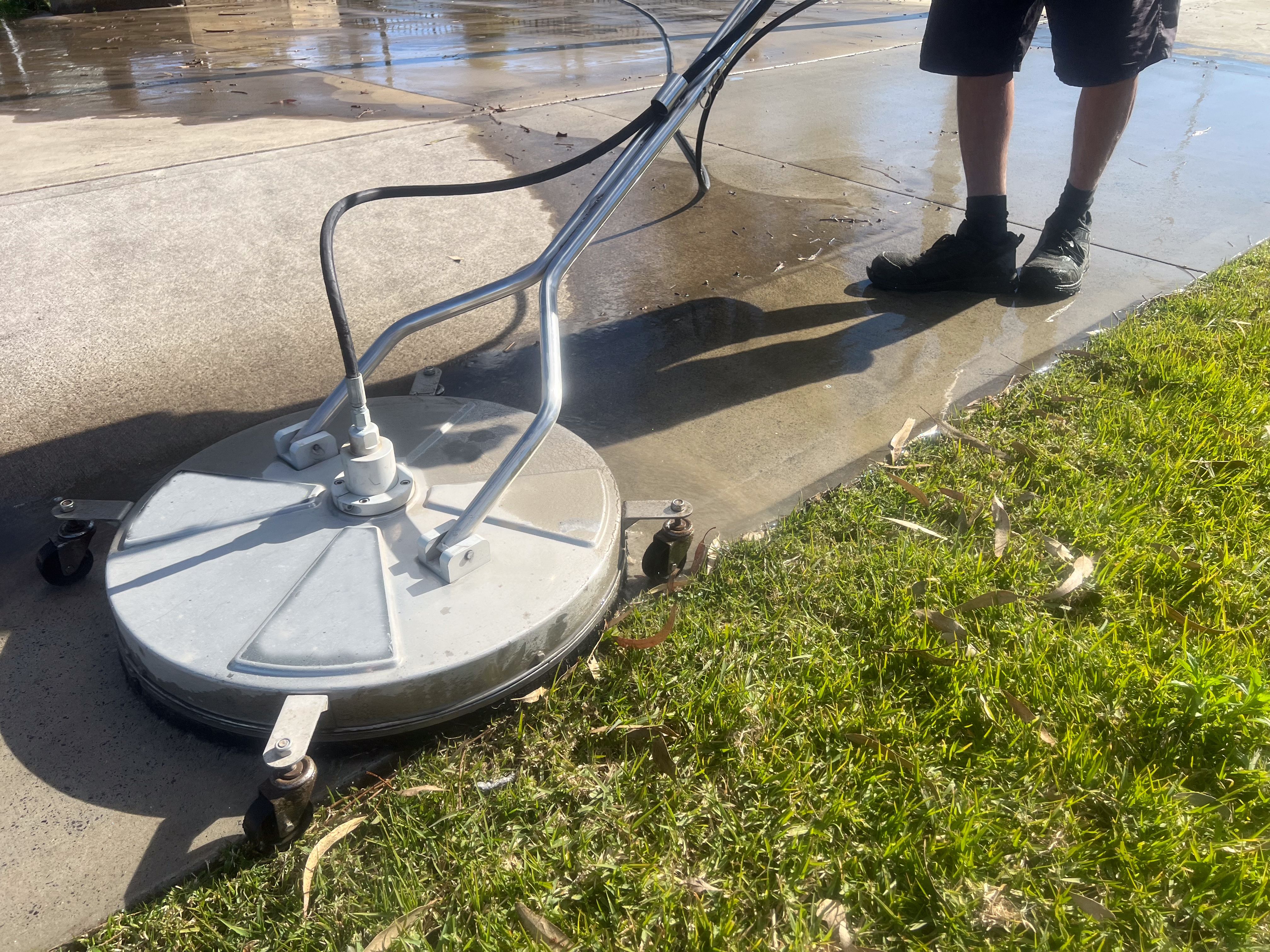
Pressure washing is a powerful cleaning method that can significantly enhance your home's curb appeal by removing dirt, grime, and mildew from the exterior surfaces. Using a high-pressure water spray, this technique can clean various surfaces, including siding, decks, driveways, and patios. It's essential to understand the basics of pressure washing to ensure the process is effective and safe for your home.
Benefits of Pressure Washing Your Home
Regular pressure washing offers numerous benefits. It not only improves the appearance of your home but also extends the lifespan of your exterior surfaces by preventing decay caused by mold and mildew. Additionally, pressure washing can boost your home's value by maintaining its aesthetic appeal and can even prepare surfaces for painting or staining.
Preventing Damage with Proper Techniques
While pressure washing is highly effective, it's crucial to use the right techniques to avoid damaging your home's exterior. Using too high a pressure setting can strip paint or damage wood and siding. Therefore, understanding the appropriate pressure levels and nozzles for different surfaces is vital. For instance, a lower pressure setting is ideal for delicate surfaces, while higher settings can be used on sturdier materials like concrete.
Choosing the Right Equipment
When it comes to pressure washing, selecting the right equipment is key. Pressure washers come in various models, each with different power levels measured in PSI (pounds per square inch). For most residential tasks, a pressure washer with 1,500 to 3,000 PSI will suffice. Additionally, choosing the right nozzles and attachments can help tailor the pressure and spray pattern to specific cleaning tasks.
Safety Precautions
Safety should always be a priority during pressure washing. The force of the water can cause injury if not handled properly. Always wear protective eyewear and gloves, and ensure that the area around you is clear of obstacles. Furthermore, be cautious when using ladders on wet surfaces as they can become slippery.
Steps for Effective Pressure Washing
For optimal results, follow these steps:
- Prepare the Area: Remove any obstacles and cover plants and electrical outlets.
- Choose the Right Detergent: Use a detergent suited for pressure washers to enhance cleaning power.
- Apply Detergent: Spray detergent on the surface starting from the bottom up to avoid streaks.
- Pressure Wash: Use consistent strokes and maintain a safe distance from the surface.
- Rinse Thoroughly: Rinse from top to bottom with clean water to remove all detergent residues.
Maintenance Tips Post-Washing
After pressure washing, it's essential to maintain your home's exterior to keep it looking fresh. Consider applying a sealant on concrete surfaces to protect against future stains and weather damage. For wooden surfaces, applying a fresh coat of paint or stain can help preserve their appearance and durability.
When to Call in the Professionals
While DIY pressure washing can be effective, certain situations may require professional assistance. If your home has extensive mold growth or delicate surfaces that need special care, hiring professionals might be the best option. They have access to commercial-grade equipment and expertise to handle challenging cleaning tasks safely and efficiently.
By following these guidelines, you can effectively pressure wash your home's exterior, enhancing its beauty and longevity. Whether you choose to do it yourself or hire professionals, regular maintenance will ensure your home remains in top condition throughout the years.