The Ultimate Guide to Weekly Grass Cutting for a Perfect Lawn


Understanding the Importance of Weekly Grass Cutting
Maintaining a lush, green lawn is a dream for many homeowners. One of the most effective ways to achieve this is through regular, weekly grass cutting. Consistent mowing helps control weeds, promotes healthy grass growth, and ensures a uniform appearance.
The key to a perfect lawn lies in understanding the unique needs of your grass type and climate. By tailoring your mowing habits to these factors, you can achieve a lawn that's not only beautiful but also healthy and resilient.

Choosing the Right Mower
Selecting the appropriate mower is crucial for effective grass cutting. There are various types of mowers available, including gas-powered, electric, and manual reel mowers. Consider the size of your lawn, your budget, and your personal preferences when making a choice.
For larger lawns, a gas-powered mower can save time and effort. On the other hand, electric mowers are more environmentally friendly and quieter, making them ideal for urban settings.
Maintaining Your Mower
Regular maintenance of your mower ensures its longevity and efficiency. Keep the blades sharp, change the oil as needed, and clean the mower after each use to prevent grass buildup. A well-maintained mower will contribute significantly to the health of your lawn.
Proper Mowing Techniques
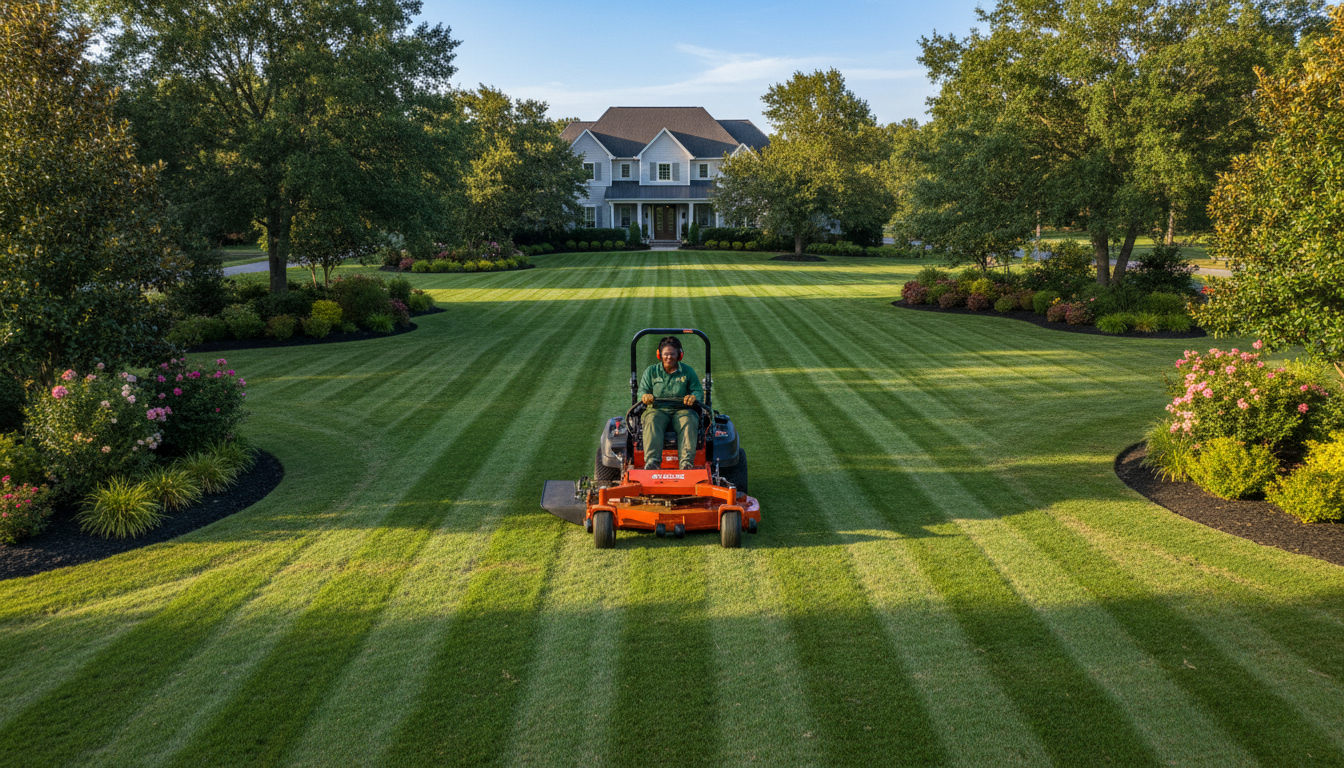
Using the correct mowing techniques can make a significant difference in the appearance and health of your lawn. Start by mowing in different directions each week to prevent soil compaction and promote even growth.
Height and Frequency
The height at which you cut your grass plays a vital role in its health. Different grass types have varying optimal heights, so it’s essential to know what works best for your lawn. Generally, never cut more than one-third of the grass blade in a single mowing session.
Weekly mowing is ideal for most grass types, as it prevents overgrowth and keeps your lawn looking tidy. However, during the peak growing season, you might need to mow more frequently.
Watering and Fertilizing
Regular mowing should be complemented with proper watering and fertilizing to maintain a vibrant lawn. Water your lawn early in the morning to allow the grass to dry throughout the day, reducing the risk of disease.
Fertilizing Tips
Fertilizing provides essential nutrients that your grass needs to thrive. Apply a balanced fertilizer during the growing season, following the instructions on the package for the best results. A well-fed lawn is more resistant to pests and diseases.
Dealing with Common Lawn Problems
Despite your best efforts, you might encounter common lawn issues such as weeds, pests, and diseases. Regular mowing helps minimize these problems, but additional measures might be necessary.
For weeds, consider using a pre-emergent herbicide before they germinate. For pests, natural solutions like neem oil or beneficial insects can be effective. Regular monitoring and prompt action can keep your lawn healthy and beautiful.