Top Lawn Care Mistakes to Avoid for a Healthier Yard


Overwatering Your Lawn
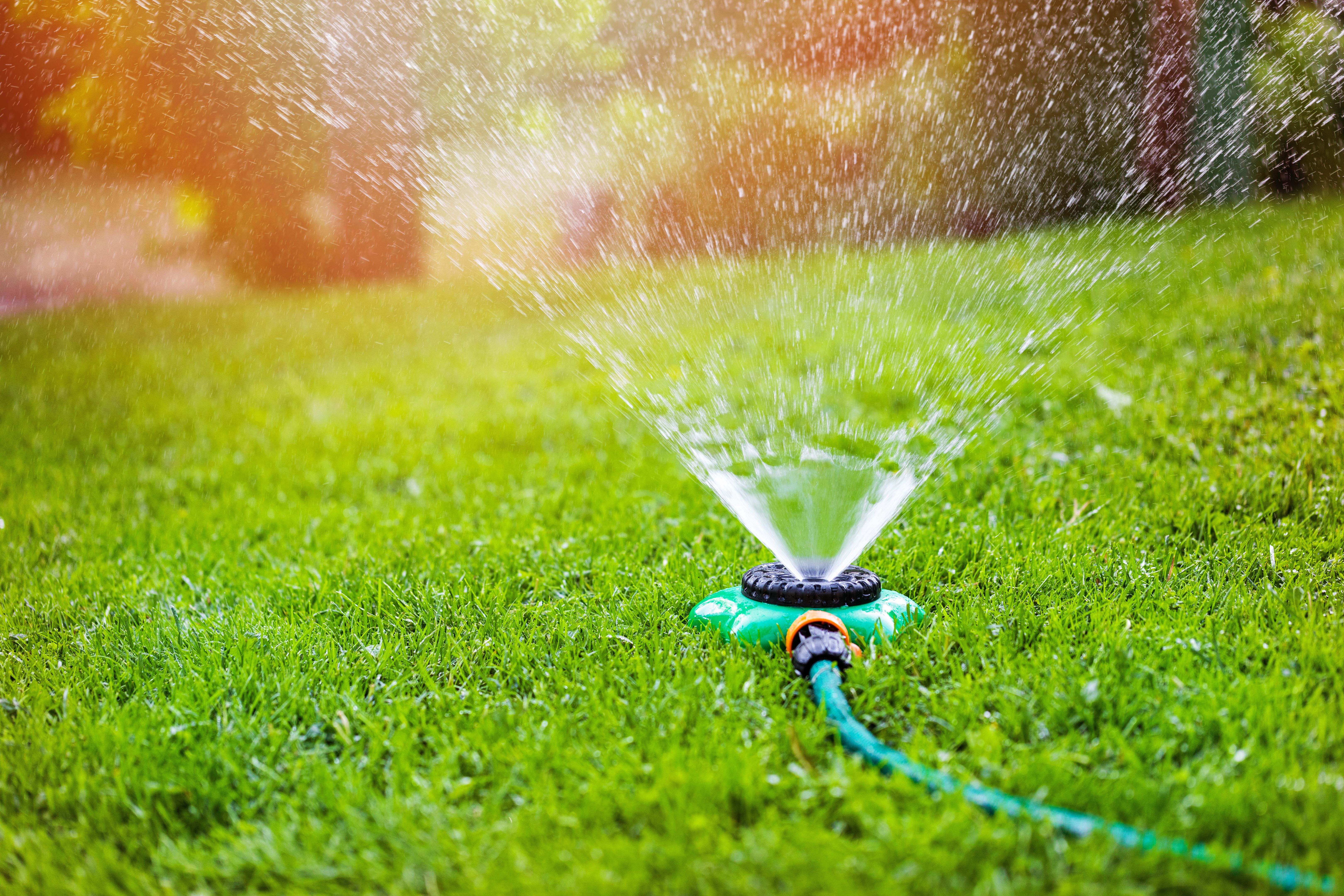
One of the most common mistakes homeowners make is overwatering their lawns. While it might seem beneficial to give your grass plenty of water, too much can lead to root rot and fungal diseases. It's essential to find a balance and water deeply but infrequently.
A good rule of thumb is to water your lawn about 1 to 1.5 inches per week, including rainfall. This encourages deep root growth and a more drought-resistant yard.
Ignoring Soil Health
Healthy soil is the foundation of a thriving lawn. Many people overlook the importance of soil testing, which can help determine nutrient deficiencies or pH imbalances. Conducting a soil test every few years can guide you in choosing the right fertilizers and amendments.
Amending your soil with organic matter, like compost, can improve its structure and nutrient content, leading to a healthier lawn.
Improper Mowing Techniques
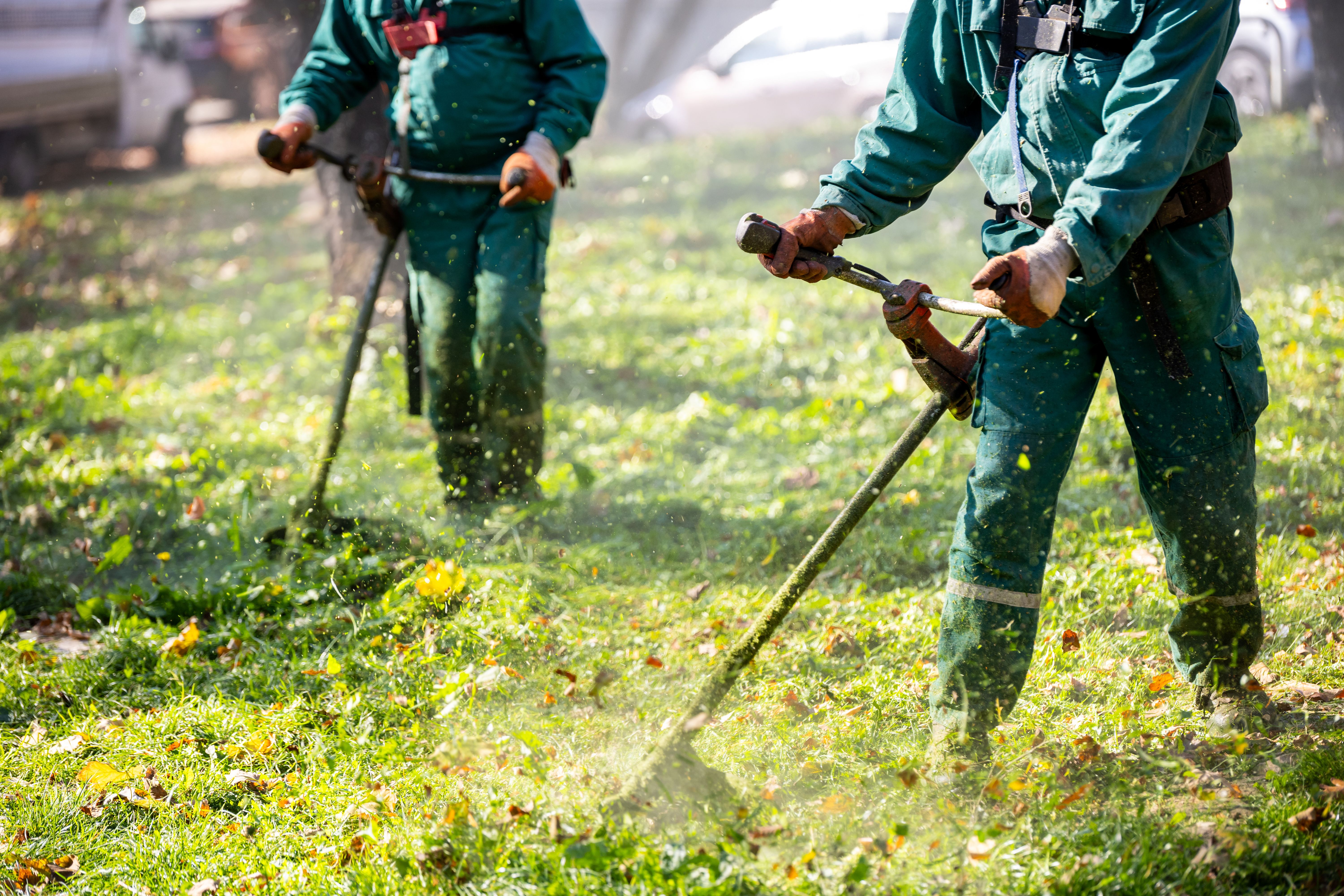
Mowing your lawn correctly is crucial for its health. Cutting the grass too short, known as scalping, can weaken it and make it more susceptible to weeds and pests. Instead, follow the one-third rule: never cut more than one-third of the grass height at a time.
Additionally, keeping your mower blades sharp ensures clean cuts, reducing stress on the grass. Dull blades can tear the grass, leading to ragged edges and increased vulnerability to disease.

Neglecting Weed Control
Weeds can quickly take over a lawn if not managed properly. Regularly inspecting your yard and promptly removing weeds can prevent them from spreading. Consider using a pre-emergent herbicide in early spring to stop weed seeds from germinating.
For a more eco-friendly approach, hand-pulling weeds or using natural weed control methods can effectively manage unwanted plants without harming the environment.
Overlooking Seasonal Care
Lawn care isn't just a spring and summer activity; it requires attention year-round. Each season has specific needs, such as aeration in the fall and fertilization in the early spring. Adapting your lawn care routine to the changing seasons ensures a lush, green yard throughout the year.
Using the Wrong Fertilizer
Not all fertilizers are created equal, and using the wrong type can harm your lawn. It's essential to choose a fertilizer that matches the specific needs of your grass type and soil condition. Slow-release fertilizers are generally a good choice, as they provide nutrients over an extended period.
Reading the labels and following application instructions carefully can prevent over-fertilization, which can burn your lawn and lead to nutrient runoff.